USPS vs UPS: Which Shipping Carrier Wins for Your Business?
When you need to ship something, you’re probably choosing between USPS, the United States Postal Service, a government-run network that delivers mail and small packages across the country. Also known as the post office, it’s the default choice for lightweight parcels and letters. And then there’s UPS, a global private logistics company that handles everything from small envelopes to freight-sized pallets with tracked, time-sensitive delivery. Also known as United Parcel Service, it’s the go-to for businesses that need reliability and real-time tracking. These two aren’t just competitors—they operate on completely different models. USPS is built for volume and reach, even to rural mailboxes. UPS is built for speed, scale, and business contracts.
The real difference shows up in what you’re shipping and where it’s going. If you’re sending a 5-pound box to a small town in Montana, USPS might be cheaper and just as fast. But if you’re shipping 50 of those boxes to New York City with guaranteed delivery by 10 a.m., UPS will give you the tracking, signature confirmation, and on-time guarantee you need. USPS doesn’t offer same-day or time-definite delivery for businesses the way UPS does. And while USPS handles international shipping through Priority Mail International, UPS has its own global network with customs clearance built in—no third-party middlemen needed.
Here’s the thing: most small businesses don’t realize how much their choice affects customer satisfaction. If your customers expect tracking updates, delivery windows, or insurance on high-value items, USPS often falls short. UPS charges more, but it delivers more—especially when you’re scaling. On the flip side, if you’re selling low-cost items and need to keep shipping costs under $5, USPS is still the only realistic option. You can’t compete with their flat-rate boxes or Media Mail pricing. But if you’re running an ecommerce store with 100+ orders a week, you’ll quickly see why UPS’s API integrations, bulk discounts, and warehouse partnerships make it worth the extra dollar.
And don’t forget the hidden stuff—like return policies. UPS gives you prepaid return labels with easy drop-off locations. USPS returns? You’re often stuck printing labels, waiting in line, or paying extra for tracking. For businesses, that adds up in time and frustration. Meanwhile, UPS’s network connects directly to Amazon, eBay, and Shopify systems. USPS? It’s mostly standalone. That’s why so many sellers use USPS for small, low-risk items and UPS for everything else.
What you’ll find in the posts below are real breakdowns of how these carriers stack up—not just in price, but in reliability, speed, and what they actually offer behind the scenes. You’ll see how USPS handles international shipping, why UPS has stricter size limits, and when you should avoid one entirely. We’ve got cost comparisons, cut-off times, and even how they handle damaged packages. No fluff. Just what you need to decide once and for all: which one works for your business today.
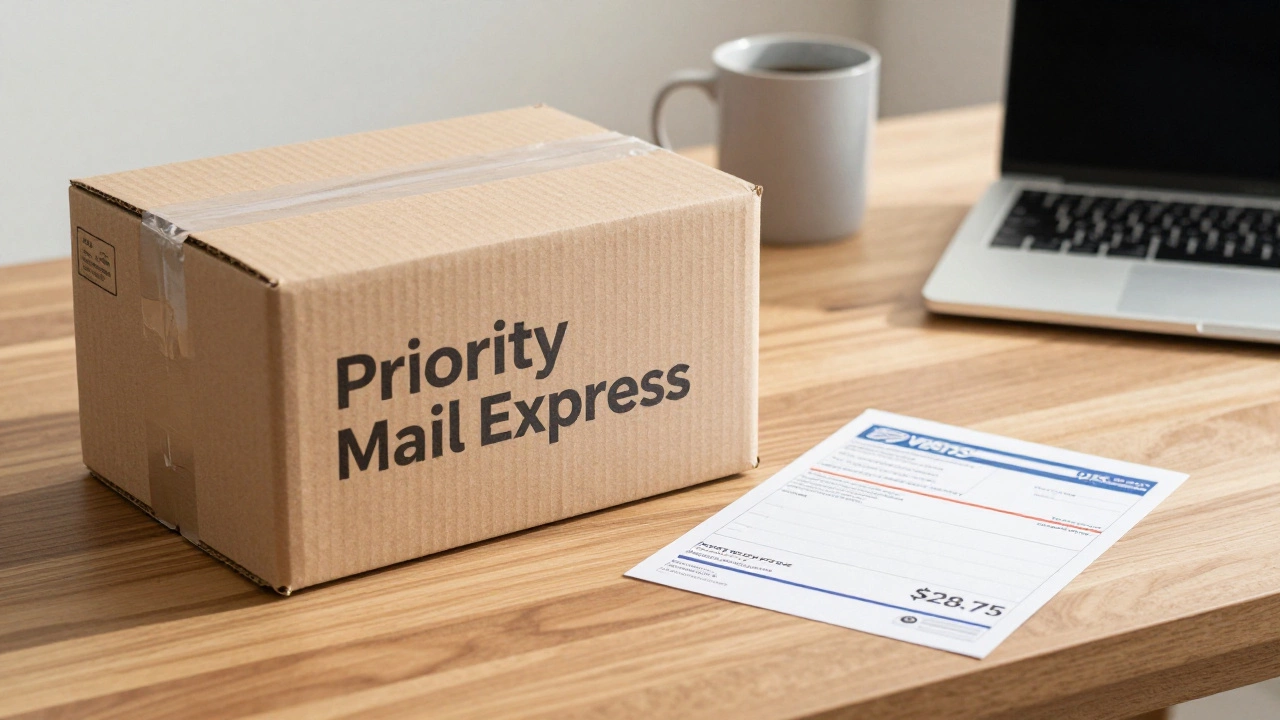
Is It Cheaper to Send a 5 Pound Package via USPS or UPS for Next Day Delivery?
For a 5-pound package, USPS Priority Mail Express is usually cheaper than UPS Next Day Air, with no hidden fees and guaranteed delivery. Learn when to choose each service to save money on next-day shipping.
Read More