Cash on Delivery Readiness Calculator
National Postal
Standard MailPremium Express
FedEx/UPS/DHLLocal / Gig
Food/Grocery AppsMarketplace
Amazon/eBayDelivery Advice & Change Breakdown
Recommended Cash to Hand Over:
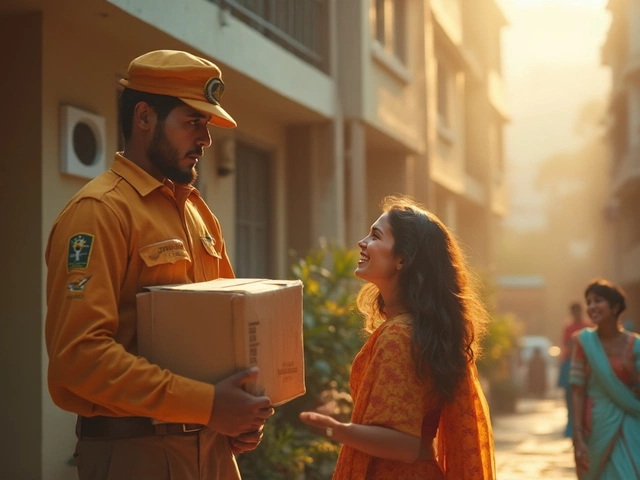
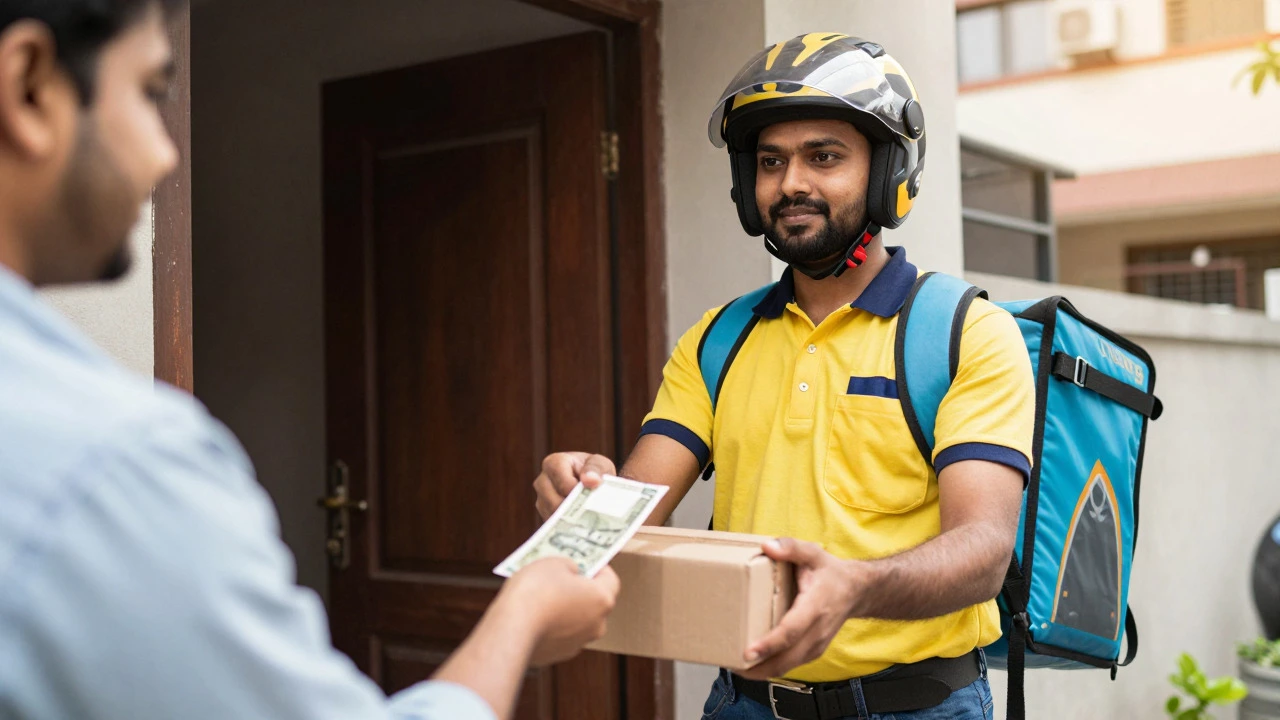
Imagine your package arrives at the door. You sign for it, but instead of pulling out a card reader or scanning a QR code, you hand over a stack of notes and coins. The driver checks the amount, hands you a receipt, and drives off. This scene isn't from a movie set in the 1990s; it’s still happening today. But does every courier actually bring change? Can you pay with physical money when you order online?
The short answer is: sometimes, but not always. It depends entirely on the service you choose, the size of the company, and where you live. As we move through 2026, the landscape of payments has shifted dramatically toward digital-first solutions, yet cash remains a stubbornly popular option for specific demographics and transaction types.
What Is Cash on Delivery (COD)?
Cash on Delivery, often abbreviated as COD, is a payment method where the customer pays for goods or services at the time of delivery rather than in advance. This model transfers the financial risk from the buyer to the seller and the logistics provider. For the consumer, it offers peace of mind-you only part with your money once you’ve physically seen the product. For businesses, especially small ones or those selling high-ticket items, it can boost conversion rates by removing the friction of upfront credit card entry.
However, this convenience comes with operational complexity. When you select COD, the courier becomes a temporary bank teller. They must carry sufficient float (small bills and coins) to make change, secure the collected funds, and later remit them back to the merchant after deducting their fees. This process introduces delays in cash flow for sellers and increases the liability for drivers carrying large sums of money.
Which Couriers Accept Cash Payments?
Not all logistics providers offer cash collection services. In fact, many major national carriers have moved away from it due to security risks and the inefficiency of manual reconciliation. Here is how different tiers of courier services handle cash:
- National Postal Services: Organizations like Royal Mail in the UK or USPS in the US often retain COD options, particularly for smaller parcels and standard letters. Their vast network allows them to absorb the administrative overhead of cash handling better than private competitors.
- Economy Ground Carriers: Some regional ground transport companies still accept cash, especially for B2B shipments or recurring accounts where trust is established. However, this is becoming rare for residential consumers.
- Premium Express Couriers: Companies like FedEx, UPS, and DHL largely phased out general cash-on-delivery for individual consumers years ago. They now rely almost exclusively on electronic payments, invoicing for business accounts, or integrated card machines carried by drivers.
- Last-Mile Specialists: Local delivery apps and gig-economy couriers (like those used by food delivery or local grocery stores) frequently accept cash because transactions are low-value and immediate. These drivers usually operate with personal floats.
If you are ordering from a large e-commerce retailer, check their checkout page. If "Pay on Delivery" or "Cash on Collection" is an option, they have partnered with a carrier that supports this workflow. If the only options are credit/debit cards, PayPal, or Buy Now Pay Later services, cash is likely off the table.
| Carrier Type | Cash Accepted? | Typical Use Case | Fees for Merchant |
|---|---|---|---|
| National Postal Service | Yes (Limited) | Small parcels, documents | Low to Moderate |
| Premium Express (FedEx/UPS) | Rarely / No | High-value, urgent B2B | High (if available) |
| Local/Gig Couriers | Yes | Food, groceries, local retail | Variable |
| Marketplace Logistics (Amazon/eBay) | No | Mass volume e-commerce | Included in platform fees |
Why Have Many Couriers Stopped Taking Cash?
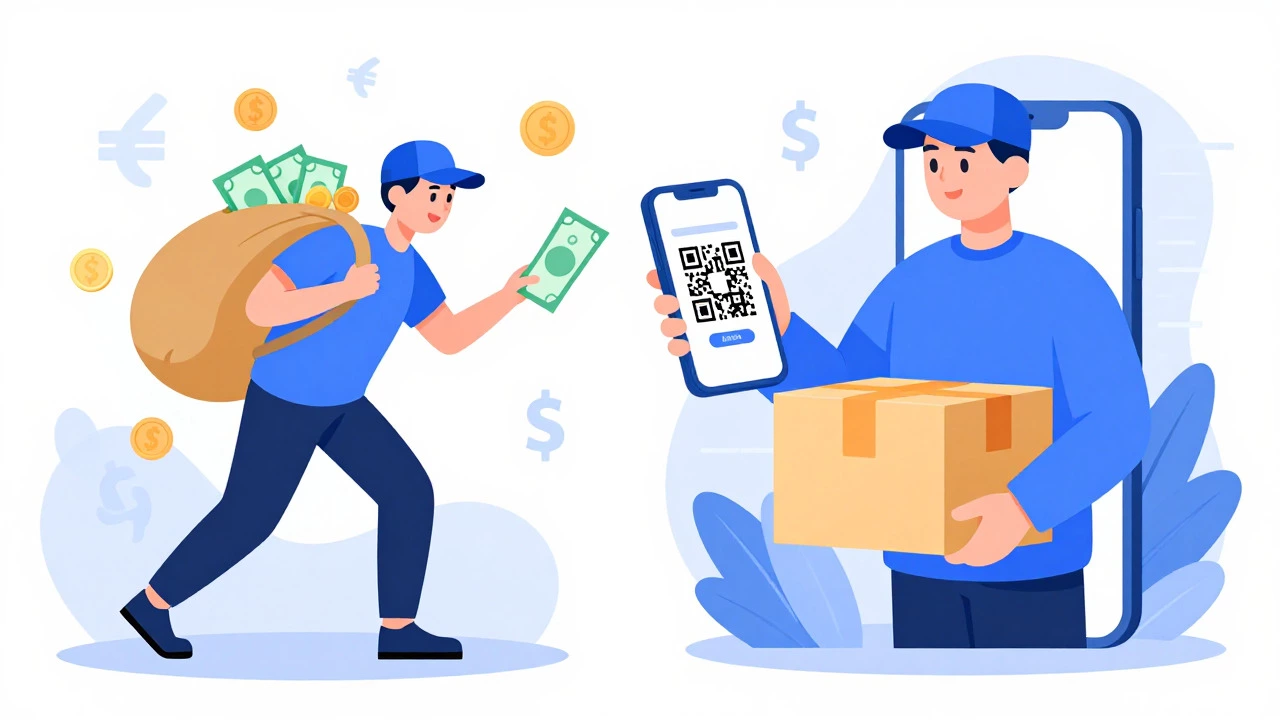
You might wonder why cash is disappearing from the doorstep. It’s not just about convenience; it’s about security and efficiency. Carrying thousands of pounds in loose change poses a significant theft risk for drivers. A robbed courier doesn’t just lose income; they face insurance claims, police reports, and potential downtime while investigations occur.
Furthermore, reconciling cash is slow. At the end of a shift, a driver must count every note, separate denominations, and submit a detailed report to the depot. Any discrepancy requires investigation. In contrast, digital payments settle instantly into the merchant’s account, reducing administrative work and accelerating cash flow for businesses. With contactless payments becoming ubiquitous-even on public transport buses-the expectation that a delivery driver should carry exact change has diminished.
There is also the issue of fraud. While COD protects buyers from non-delivery, it exposes merchants to higher return rates. Customers who don’t have to pre-authorize a charge are more likely to refuse a package upon arrival if they’re unsure about the product. This leads to reverse logistics costs that can eat into profit margins significantly.
How to Prepare for a Cash Payment
If you do find yourself in a situation where you need to pay with cash, preparation is key. Drivers rarely carry enough small bills to break a £50 or $100 note, especially for smaller orders. Here’s what you should do:
- Check Your Change: Ensure you have the exact amount or close to it. If your order is £24.50, having two £10 notes, a £5, and some coins is ideal. Relying on the driver to break a £50 note often results in failed deliveries if they lack sufficient float.
- Verify the Amount: Before handing over the money, confirm the total with the driver. Include any shipping fees, taxes, or handling charges that might have been added since you placed the order.
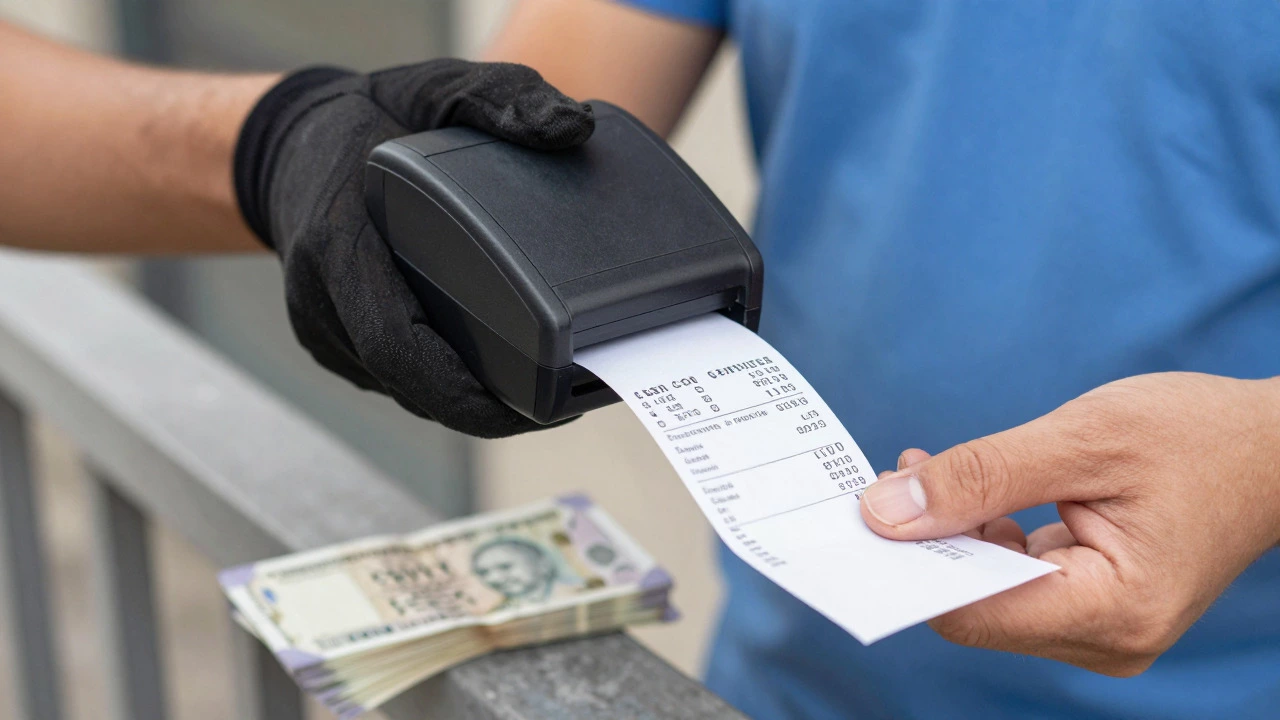
- Get a Receipt: Always ask for a proof of payment. Most modern couriers use handheld devices that print thermal receipts. Keep this until the transaction is fully settled in case there are discrepancies later.
- Inspect Before Paying: Since you are paying on delivery, you have the right to inspect the exterior of the package. If it looks damaged, note it on the receipt before signing and paying. Once you pay, returning a damaged item becomes much harder.
Digital Alternatives to Cash on Delivery
While cash holds nostalgic appeal and practical value for some, several digital alternatives mimic the benefits of COD without the logistical headaches. These methods allow you to delay payment or verify receipt without handling physical currency.
- Contactless Card Readers: Many premium couriers now equip drivers with portable card terminals. You swipe or tap your card at the door, achieving the same "pay on arrival" experience securely.
- Mobile Wallets: Apple Pay, Google Pay, and Samsung Pay enable instant transfers via NFC. Some courier apps even generate dynamic QR codes that drivers scan to complete the transaction.
- Buy Now, Pay Later (BNPL): Services like Klarna, Afterpay, or Clearpay allow you to split payments over time. While technically paid upfront digitally, the psychological barrier is similar to COD-you aren’t paying the full sum immediately.
- Invoice-Based Billing: Common in B2B contexts, this allows businesses to receive goods first and pay within 30 or 60 days. It shifts the risk similarly to COD but uses automated accounting systems instead of cash bags.
Regional Differences in Cash Usage
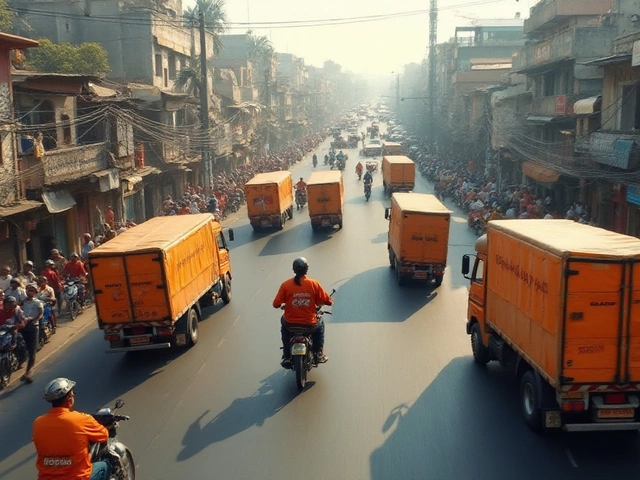
Your location plays a massive role in whether cash is accepted. In countries with high unbanked populations or limited credit card penetration, such as parts of Southeast Asia, Africa, and Latin America, cash-on-delivery remains a dominant payment method. Couriers in these regions are accustomed to handling large volumes of cash and have robust systems for daily deposits.
In contrast, in highly digitized markets like Scandinavia, the Netherlands, or South Korea, cash usage has plummeted. In Sweden, for instance, few people carry wallets anymore. Attempting to pay a courier with cash here might result in confusion or refusal, as drivers may not even have a place to store it securely. Understanding local norms helps manage expectations when ordering internationally.
Security Tips for Cash Transactions
If you must use cash, treat it like any other valuable asset. Don’t leave large amounts lying around waiting for the driver. Have it ready when you hear the knock. Additionally, be wary of scams. Unfortunately, fake courier calls asking for cash verification are common. Legitimate couriers will never call you to ask for bank details or request cash via text message. They only collect cash upon physical handover of the goods.
For merchants, using COD means partnering with reputable logistics firms that offer insured cash-in-transit services. Ensure your contract specifies who bears the loss if a driver is robbed. Typically, the courier company insures the cash up to a certain limit per day, but understanding these caps is crucial for financial planning.
The Future of Doorstep Payments
As we look ahead, the trend is clear: cash is declining. Biometric authentication, seamless app-based payments, and smart lockers are reshaping last-mile logistics. Smart lockers, in particular, eliminate the need for human interaction entirely. You receive a code, open the locker, and pay digitally through the associated app. This reduces contact, increases security, and operates 24/7.
Yet, cash won’t disappear overnight. It serves a vital role for elderly customers, those without banking access, and impulse buyers who distrust online forms. Until universal digital inclusion is achieved, couriers will continue to adapt, balancing the efficiency of digital tools with the tangible reality of physical money.
Do all couriers accept cash on delivery?
No, not all couriers accept cash. Major express carriers like FedEx and UPS rarely offer cash-on-delivery for individual consumers. National postal services and local gig-economy couriers are more likely to accept cash, but it depends on the specific service level selected at checkout.
Should I expect the courier to have change?
It is risky to assume the courier has exact change. Drivers carry a limited float of small bills and coins. To avoid failed deliveries, it is best to provide the exact amount or slightly more in small denominations so they can give you back correct change easily.
Is paying with cash safer than online payment?
Cash eliminates the risk of credit card fraud or data breaches during checkout. However, it carries physical security risks, such as theft from the driver or loss before payment. Digital payments offer traceability and buyer protection programs that cash lacks.
Can I refuse a package if I don't have cash?
Yes, you can refuse a package if you cannot pay. However, this may result in restocking fees or shipping charges being billed to your original payment method on file. It is better to contact the seller beforehand to arrange alternative payment or reschedule delivery.
Why do some online stores no longer offer Cash on Delivery?
Stores drop COD due to higher return rates, slower cash flow, and increased administrative costs. Managing cash reconciliation and dealing with refused packages eats into profits. Digital payments streamline operations and reduce fraud risks for merchants.
Do couriers charge extra for collecting cash?
Often, yes. Merchants typically pay a higher fee for COD services because the courier assumes additional liability and administrative burden. Sometimes, this cost is passed directly to the consumer as a "handling fee" at checkout.