Courier Services: What They Are and Why You Need Them
Thinking about sending a package and not sure if a courier is the right choice? In India, couriers have become the go‑to option for anything that needs speed, security, or a special touch. Unlike regular post, a courier picks up, tracks, and delivers your item right to the door, often on the same day or within a few days.
What’s Included in a Typical Courier Service?
A standard courier package includes pickup, handling, real‑time tracking, and doorstep delivery. Most providers also throw in insurance for valuable items, proof of delivery, and optional services like weekend drops or temperature‑controlled transport. If you need a document signed on delivery, just ask – many couriers offer that as a add‑on.
When Should You Choose a Courier Over Regular Mail?
Use a courier when time matters. Need a contract signed by tomorrow? A same‑day courier can get it there. Shipping fragile electronics or medical supplies? Couriers usually have better handling and faster routes. If you’re running an e‑commerce store and want customers to receive orders within 48 hours, a courier network gives you the reliability that regular post can’t match.
Cost is another factor. While couriers can be pricier per kilogram, you often save on hidden fees, missed deliveries, and the cost of re‑shipping. Look at the total price – weight, distance, speed, and any extra services – to see if the courier wins on value.
Setting up a pickup is simple. Most providers let you schedule online or via a quick phone call. You’ll need the parcel dimensions, weight, and a clear address. Pack the item securely, label it with the tracking number, and the driver will swing by at the agreed time. Some services even allow you to book a pickup from a third‑party location, which is handy for small businesses without a dedicated loading dock.
Tracking is where couriers shine. As soon as the driver scans the package, you get a real‑time update on your phone or computer. If something goes wrong, you can contact support instantly and often reroute the shipment. This level of transparency reduces the anxiety of “where’s my parcel?” that many feel with standard mail.
Choosing the right courier depends on three things: speed, coverage, and cost. Look for a provider that covers your delivery zone, offers the speed you need, and has clear pricing without surprise surcharges. Reading reviews and asking for references can help you avoid hidden fees like fuel surcharges or handling fees for oversized items.
If you run a small business, partnering with a reliable courier can be a game‑changer. Faster deliveries mean happier customers, repeat orders, and better ratings on platforms like Amazon or Flipkart. Many couriers also integrate with popular e‑commerce plugins, letting you print labels and automate tracking notices with a few clicks.
Bottom line: a courier service gives you speed, security, and visibility that regular mail can’t match. Whether you’re sending a single legal document or a batch of e‑commerce orders, the right courier will keep your parcels moving and your customers smiling.
Is USPS Considered a Courier? Understanding the Difference
Discover the key differences between USPS and private courier services. Learn when to choose the postal service for cost savings versus when to hire a courier for speed and security.
Read More
Do Couriers Bring Cash? How Cash on Delivery Works in 2026
Find out if couriers still accept cash on delivery in 2026. Learn which services take cash, how to prepare for payment, and why digital alternatives are replacing physical money at your door.
Read More
Can You Make $1000 a Week with Amazon Flex? The Real Math
Can you really make $1000 a week with Amazon Flex? We break down the real math, hidden costs, and hours required to hit that target.
Read More
How to Start a Delivery Business with No Money: A Zero-Capital Guide
Learn how to launch a profitable delivery business with zero capital. Discover strategies for securing clients, managing legal requirements, and scaling operations without upfront investment.
Read More
What Can You Send via Courier? A Complete Guide to Packages, Prohibitions, and Best Practices
Discover what you can and cannot send via courier. From everyday parcels to fragile goods and prohibited items, learn the rules, packing tips, and insurance advice for safe delivery.
Read More
What Does It Mean When Your Package Is With Delivery Courier? (Explained)
Learn what 'package with delivery courier' means, how last-mile logistics work, and tips to ensure smooth, timely deliveries without stress.
Read More
Priority Mail vs FedEx 2Day: Which Is Actually Faster?
Compare USPS Priority Mail vs FedEx 2Day for speed, cost, and reliability. Find out which shipping service is truly faster for your packages.
Read More
How Much Does Parcel Collection Cost in the UK? (2026 Price Guide)
Find out exactly how much parcel collection costs in the UK in 2026. Learn what drives courier pickup fees, compare standard vs premium options, discover hidden charges, and uncover proven strategies to reduce expenses without sacrificing reliability.
Read More
FedEx vs UPS Overnight: Which Carrier Wins for Next-Day Delivery in 2026?
Compare FedEx vs UPS overnight delivery for speed, cost, and reliability. Find out which carrier is best for your next-day shipping needs in 2026.
Read More
Best Courier Services for Small Businesses: 2026 Comparison
Discover the best courier services for small businesses in 2026. Compare DHL, UPS, and DPD, and learn how shipping aggregators can lower your costs.
Read More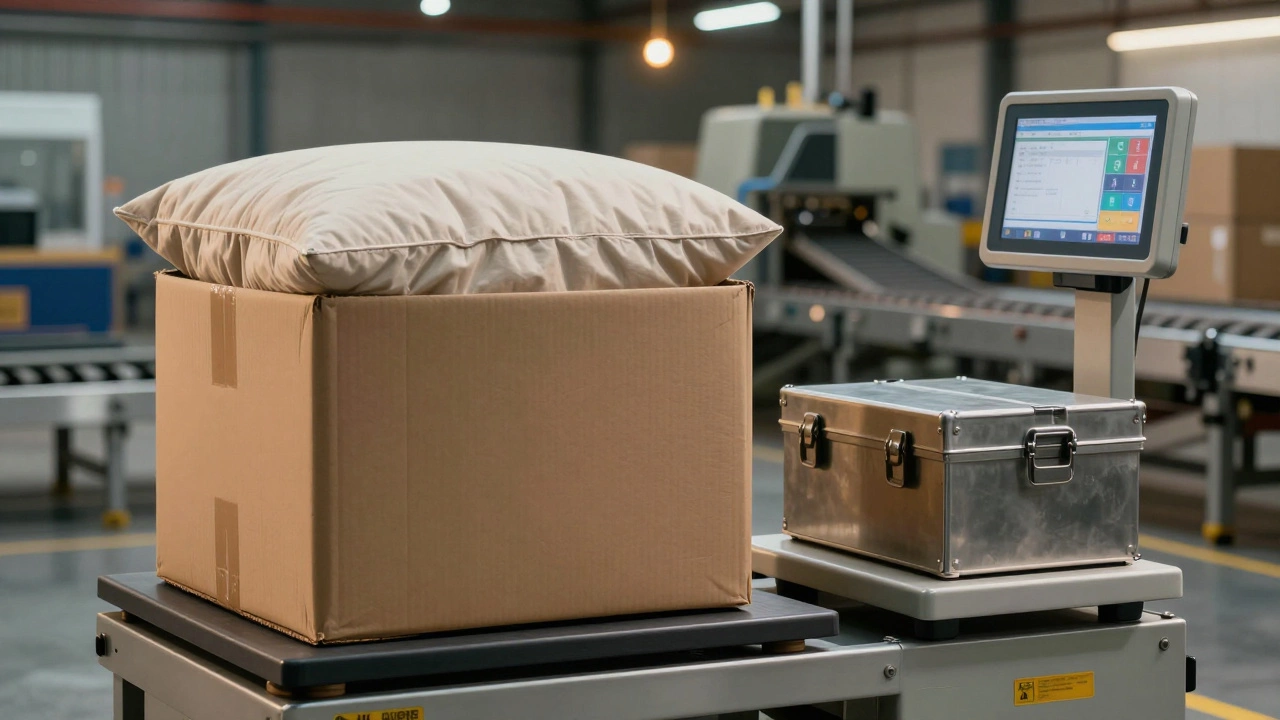
How Is Courier Pricing Calculated? A Complete Guide to Shipping Costs
Understand exactly how courier companies calculate your shipping prices. Learn about volumetric weight, distance zones, and hidden fees to budget your deliveries accurately.
Read More
How Do I Send an Item by Courier? A Step-by-Step Guide for 2026
Learn how to send an item by courier in the UK with clear steps on packing, choosing the right service, tracking, and avoiding common mistakes. Save time and money with practical tips for 2026.
Read More