Dimensional Weight Calculator
Dimensional Weight Calculation
Dimensional weight is calculated using: (Length × Width × Height) ÷ 144
Enter your measurements to see the calculation
Ever stared at a box on your kitchen table wondering, How do I actually send this thing? You’re not alone. Whether it’s a birthday gift, a work laptop, or that vintage record you finally decided to sell, sending something by courier feels like a puzzle with missing pieces. But it doesn’t have to be confusing. Here’s how to do it right-no jargon, no fluff, just the steps that actually matter.
Pick the Right Courier for Your Item
Not all couriers are the same. Some are built for small packages. Others handle heavy crates or fragile glassware. Start by asking yourself: What are you sending?- Small, light items (books, clothes, phone cases)? Try DPD, Evri, or Royal Mail Tracked. They’re cheap and reliable for under 2kg.
- Heavy or bulky items (furniture, boxes over 5kg)? Go with Parcelforce or TNT. They handle up to 30kg and offer door-to-door pickup.
- High-value or fragile items (electronics, art, antiques)? Use DX or FedEx. They offer insurance, signature proof, and climate-controlled transport.
Measure and Weigh Your Item
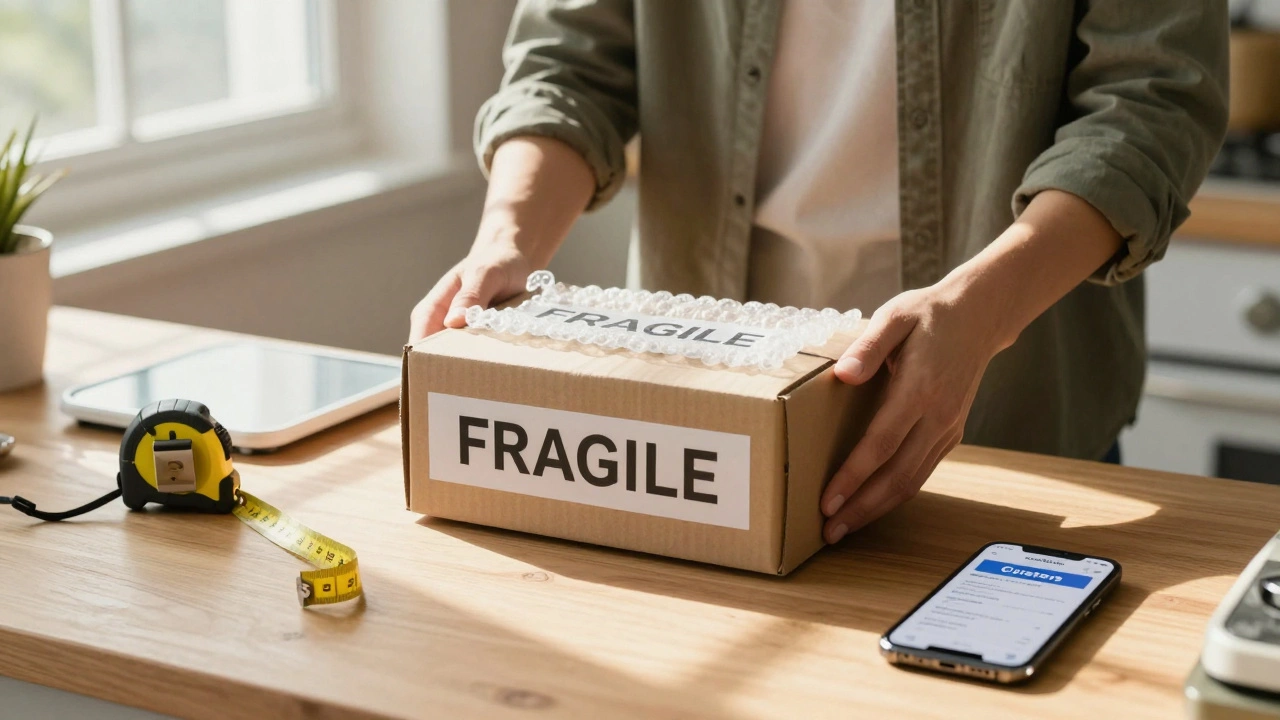
Couriers charge by weight and size. Some use dimensional weight-meaning if your box is big but light, you still pay for the space it takes up. This trips up a lot of first-timers.Grab a tape measure and a kitchen scale. Write down:
- Length (longest side)
- Width (middle side)
- Height (shortest side)
- Actual weight in kilograms
Then go to the courier’s website. Most have a price calculator where you punch in those numbers. It’ll tell you the cost before you commit. Skip this step? You could end up paying double when the courier weighs it at the depot.
Pack It Like a Pro
A box isn’t just a container. It’s your item’s first line of defense. Here’s what works:- Use a new, sturdy box. Old cereal boxes? They collapse. Use double-wall corrugated cardboard.
- Fill empty space with bubble wrap, packing peanuts, or crumpled paper. No gaps = no shifting = no damage.
- Wrap fragile items individually. A mug in a box with nothing around it? It’ll break. Wrap it like a present.
- Seal all flaps with strong packing tape. Don’t use masking tape or sticky notes.
- Label the outside clearly. Write FRAGILE or THIS SIDE UP if needed. And always include your return address.
Pro tip: If you’re sending a laptop, remove the battery if possible. Some couriers won’t accept devices with built-in lithium batteries unless they’re packed in special containers. Check their rules first.
Book the Pickup or Drop Off
Most couriers let you book online in under five minutes. You’ll need:- Your pickup or drop-off address
- Recipient’s full name and phone number
- Delivery date (choose next day, 2-day, or economy)
- Insurance level (basic is free, but max coverage costs extra)
Two options:
- Book a pickup-a driver comes to your door. Costs a bit more, but saves time. Great if you’re busy or the box is heavy.
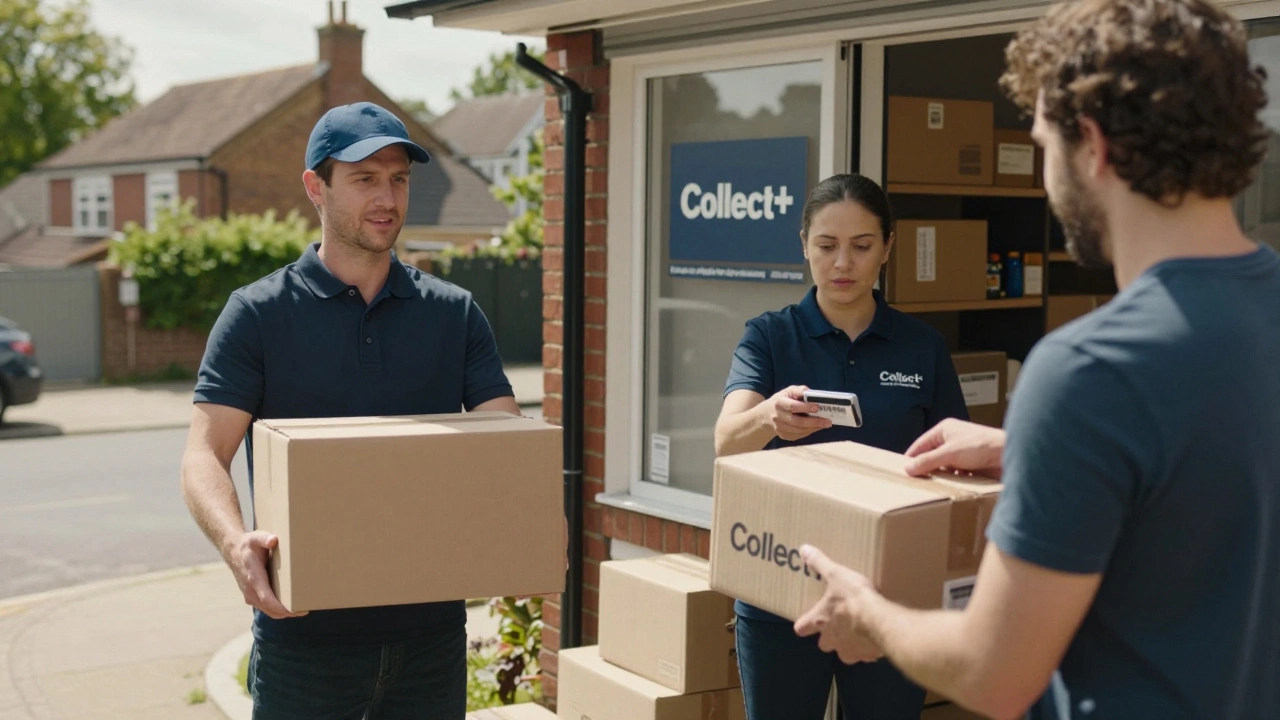
- Drop it off-take it to a local depot or parcel shop (like Post Office or WHSmith). Free or cheaper, but you need to fit it in your car.
After booking, you’ll get a tracking number. Save it. Text it to the recipient. Put it in your notes. You’ll need it if anything goes wrong.
Know What’s Not Allowed
Couriers have strict rules. Break them, and your package gets stuck-or worse, thrown away. Here’s what you can’t send:- Cash, cheques, or passports
- Flammable liquids (paint, petrol, aerosols)
- Weapons, ammunition, or fireworks
- Live animals (even hamsters)
- Perishable food without special packaging
- Counterfeit goods or stolen items
Some items need special paperwork. Alcohol, batteries, and medicines? You’ll need a dangerous goods declaration or proof of age. Most couriers list these on their website. Read it before you pack.
Track It-and Be Ready for Delivery
Once it’s gone, don’t just wait. Use the tracking number. Most couriers update every 30 minutes. You’ll see when it’s picked up, scanned at the depot, loaded onto a truck, and out for delivery.Set a delivery window. If you’re not home, most couriers will:
- Leave it in a safe place (porch, garage, with a neighbour)
- Try again the next day
- Hold it at a local depot for pickup
Let the recipient know the tracking link. That way, they can reschedule if needed. No one likes a missed delivery.
What If It Gets Lost or Damaged?
It happens. Rarely, but it does. If your item arrives broken or doesn’t show up:- Take photos of the damage before opening the box.
- Keep all packaging-the courier might need to inspect it.
- File a claim online within 14 days.
Insurance isn’t just a nice-to-have. If you paid for £500 coverage and the item’s worth £450, you’ll get most of it back. No insurance? You’re out of luck. Always declare the true value. Under-declaring won’t save you money-it’ll cost you more later.
Final Checklist Before You Hit Send
Before you click Book Now, run through this:- ✅ Item is packed securely with padding
- ✅ Box is taped shut with strong packing tape
- ✅ Labels show full names and phone numbers
- ✅ Weight and dimensions are measured
- ✅ Insurance matches item value
- ✅ Tracking number saved and shared
- ✅ Contents aren’t on the banned list
Do all this? You’re 95% done. The rest? Just wait. Most UK deliveries arrive within 1-2 days. International? 3-5 days. And if it doesn’t? You’ve got proof, a tracking number, and a claim ready to go.
Can I send a package without a printer?
Yes. Most couriers let you book online and then show your booking code on your phone. You can drop off at a parcel shop (like Post Office or Collect+), and they’ll print the label for you. Some even offer free label printing at drop-off points.
How much does it cost to send a parcel in the UK?
It varies. A small parcel (under 1kg) sent next day with DPD or Evri costs around £4.50-£6.50. A medium box (3-5kg) is £7-£10. Heavier items (10kg+) start at £12-£18. International shipping starts at £15 for Europe and £25+ for the US. Always compare prices-some services offer discounts if you book weekly.
Do I need ID to send a parcel?
No, you don’t need ID to send a parcel. But if you’re dropping it off at a Post Office or parcel shop, staff might ask for your name and email to confirm the booking. For high-value items, some couriers may require proof of address if you’re claiming insurance later.
Can I send a parcel on a weekend?
Yes, but not all couriers operate on weekends. DPD and Evri offer Saturday delivery for an extra fee. Royal Mail delivers on Saturdays too. Most drop-off points (like Collect+) are open Saturday mornings. Sunday pickups are rare-plan ahead if you need it delivered Sunday.
What’s the fastest way to send something in the UK?
For same-day delivery, use DX or CitySprint in major cities like London, Manchester, or Bristol. They offer 3-hour or 4-hour delivery windows. For next-day, DPD Next Day or Parcelforce 24 are the most reliable. Book before 12pm for same-day, and before 4pm for next-day.