E-Commerce Logistics Salary Calculator
Calculate Your Salary Potential
Salary Estimate
When you think of e-commerce logistics, you probably picture delivery drivers racing through neighborhoods or warehouse workers scanning boxes. But the real money in this industry isn’t in the back of a van or on a forklift-it’s in the roles that keep the whole system running without falling apart. The highest paid job in e-commerce logistics isn’t a title you hear on TikTok or in a job ad on Indeed. It’s the Supply Chain Director.
Why Supply Chain Directors Earn the Most
A Supply Chain Director doesn’t just manage deliveries. They decide where warehouses go, how many trucks to run, which carriers to partner with, and when to switch from air freight to sea freight to save millions. In 2025, the average salary for this role in the UK is £95,000-£130,000. At companies like Amazon, Ocado, or ASOS, top performers earn over £150,000, including bonuses and stock options.
This isn’t guesswork. These leaders use real-time data from tools like Blue Yonder, Oracle SCM, and SAP Integrated Business Planning to predict demand spikes during Black Friday or handle a sudden surge in returns after a viral product launch. One director I spoke with in Manchester told me his team saved £4.2 million in 2024 by shifting 18% of UK deliveries from overnight air to next-day ground transport-after analyzing carrier costs, fuel surcharges, and customer tolerance for a one-day delay.
Other High-Paying Roles in E-Commerce Logistics
Supply Chain Director isn’t the only high earner. Here are the next five most lucrative roles in the space:
- Warehouse Operations Manager - £70,000-£90,000. They run fulfillment centers with 500+ staff, 100+ automated sorters, and 20,000+ SKUs. Bonus targets are tied to order accuracy and speed.
- Logistics Technology Manager - £80,000-£110,000. They oversee robotics, WMS integration, and AI-driven routing. If your warehouse uses AMRs (autonomous mobile robots), this person made it happen.
- Global Freight Manager - £75,000-£100,000. They handle cross-border shipping from China to the EU, navigating customs, tariffs, and Brexit compliance. One manager in Birmingham cut duty costs by 22% by restructuring supplier shipments through Poland instead of Germany.
- Customer Experience & Returns Lead - £65,000-£85,000. Returns cost e-commerce brands up to 20% of revenue. This role designs systems to reduce return rates, automate refunds, and turn frustrated customers into repeat buyers.
- Supply Chain Analyst - £55,000-£75,000. Not a flashy title, but critical. These analysts spot inefficiencies-like a 14-hour delay in Manchester caused by one underperforming carrier-and fix them before they cost the company £100k.
What These Jobs Actually Do Day to Day
Most people think logistics is about moving stuff. It’s not. It’s about controlling variables.
A Supply Chain Director starts their day checking real-time dashboards: Are delivery windows being met? Is inventory moving faster than forecasted? Did a storm in the Midlands delay a regional hub? They then call carrier partners, adjust routes, and reassign inventory-all before 9 a.m.
Warehouse Operations Managers don’t just watch people pack boxes. They run daily performance reviews using KPIs like picks per hour, damage rates, and labor cost per order. They know that a 2% improvement in picking efficiency saves £280,000 a year in a 300,000 sq ft facility.
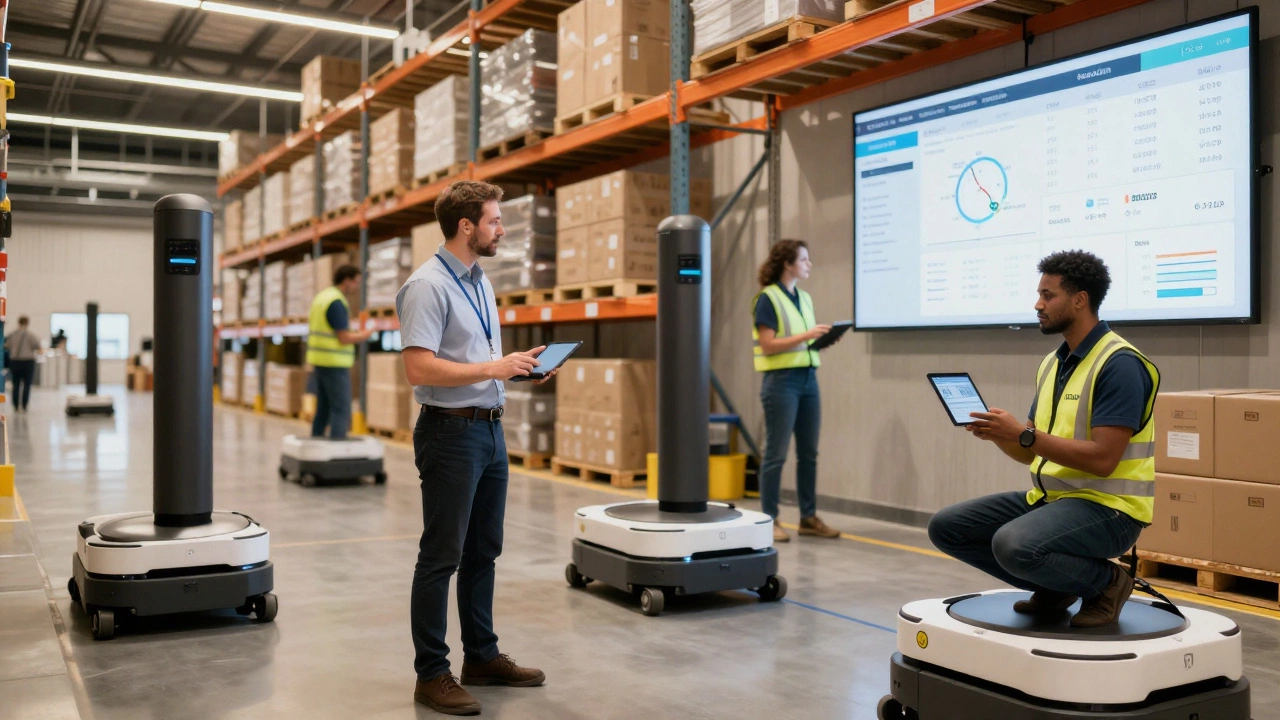
Logistics Technology Managers spend half their time in meetings with IT teams, the other half testing new automation tools. One recently rolled out computer vision to detect damaged packages before they leave the warehouse-cutting returns by 17% in three months.
What You Need to Get There
You don’t need a PhD. But you do need proof you can handle pressure, data, and change.
Most Supply Chain Directors have:
- A degree in supply chain, logistics, or business (or equivalent experience)
- At least 8-10 years in logistics roles, with 3+ in management
- Proven results: reduced costs, improved delivery times, scaled operations
- Hands-on experience with logistics software (WMS, TMS, ERP)
- Certifications like CSCP (Certified Supply Chain Professional) or APICS
One person I met started as a warehouse picker at a small online retailer. Five years later, they were running the entire UK fulfillment network for a mid-sized fashion brand. Their secret? They learned Python to automate inventory reports. Then they taught themselves how to read carrier contracts. Then they started presenting cost-saving ideas to leadership.
Where the Money Isn’t
Don’t chase titles like "Delivery Driver" or "Packer" hoping for big pay. Even top-tier last-mile couriers in London earn £35,000-£45,000-good money, but nowhere near leadership roles. The same goes for customer service reps handling returns. They’re essential, but not high earners.
And while "logistics coordinator" sounds fancy, it’s often an entry-level role paying £28,000-£38,000. It’s a stepping stone, not a destination.
How to Break Into High-Paying Logistics Roles
If you’re starting out or looking to move up:
- Learn one logistics software tool inside out-WMS or TMS. Companies pay premiums for people who can train others.
- Track your impact. Did you reduce packing time by 15%? Save £12k in shipping costs? Write it down. Numbers get you promotions.
- Ask to join cross-functional projects. Work with marketing on launch planning or finance on budget forecasting. Visibility matters.
- Get certified. The CSCP costs around £1,200 but adds £15k+ to your salary potential.
- Move to a growing company. Startups and scaling e-commerce brands pay more for talent than legacy firms because they need results fast.
Future Trends That Will Raise Salaries Even More
By 2027, roles that combine logistics with AI and sustainability will be the highest paid.
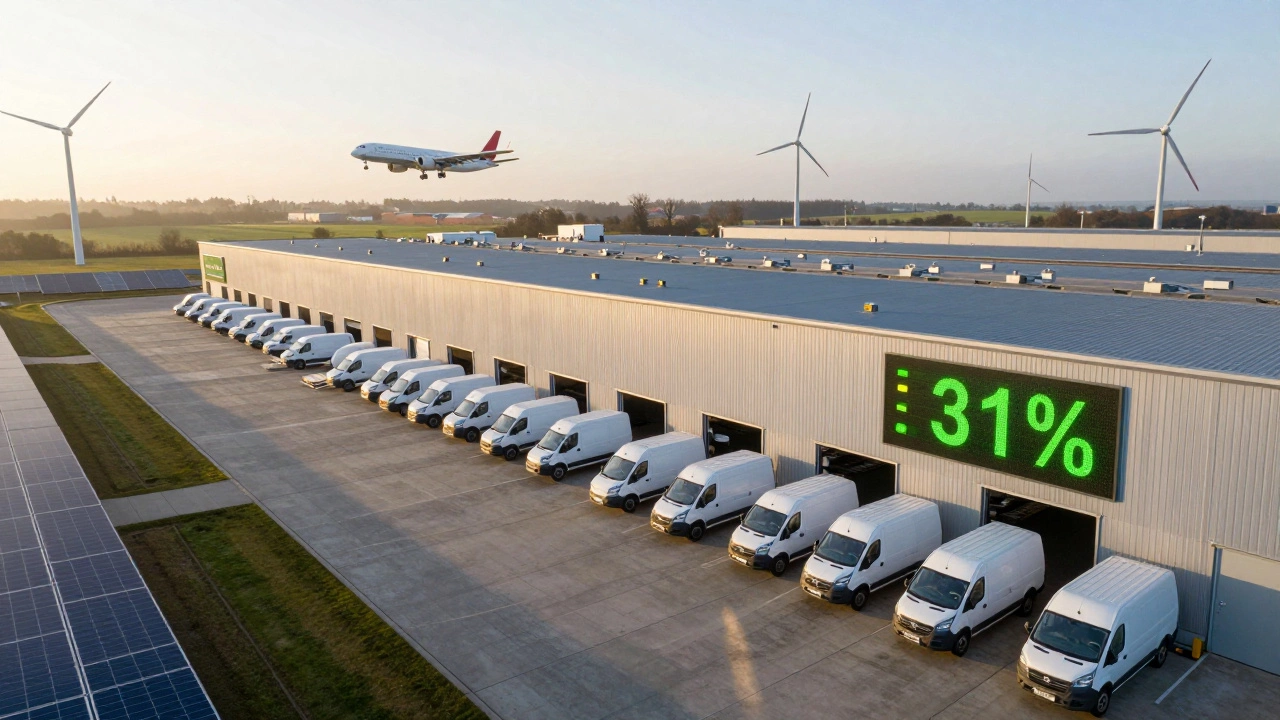
Companies are now hiring Carbon-Optimized Logistics Leads-people who can prove they’re cutting emissions without slowing delivery. One UK-based brand reduced its carbon footprint by 31% in 18 months by using route optimization software and switching to electric vans. The manager in charge got a 40% raise.
AI-driven forecasting is another growth area. Predicting demand within 5% accuracy used to be science fiction. Now it’s table stakes. The people who build and maintain those models are in high demand.
And with Brexit still causing delays at ports, companies need experts who know how to reroute shipments through non-EU hubs. That skill? It’s worth £20k more than the average logistics manager’s salary.
Final Thought: It’s Not About the Title, It’s About the Impact
The highest paid job in e-commerce logistics isn’t the one with the fanciest title. It’s the one where someone takes responsibility for the entire flow-from the supplier’s warehouse to the customer’s doorstep-and makes it faster, cheaper, and more reliable. If you can do that, you’ll be paid like the CEO of a small business. Because in logistics, you are.
Is a degree necessary to earn a high salary in logistics?
No, a degree isn’t required, but it helps. Many top earners started in warehouse or driver roles and moved up by gaining certifications like CSCP, learning logistics software, and proving they can cut costs or improve efficiency. Employers care more about results than diplomas.
How much can a logistics manager earn in the UK?
A Logistics Manager typically earns between £50,000 and £75,000. But if they manage large-scale e-commerce fulfillment centers or handle international shipping, salaries can reach £90,000+. The key is scope-managing more volume, more complexity, and more teams means higher pay.
Are logistics jobs in e-commerce growing?
Yes. E-commerce sales in the UK hit £142 billion in 2024 and are projected to grow 8% annually through 2027. That means more warehouses, more tech, and more leadership roles. The demand for skilled logistics professionals is outpacing supply, especially in automation and data-driven roles.
What’s the difference between logistics and supply chain roles?
Logistics focuses on movement-getting goods from A to B. Supply chain covers the whole system: sourcing materials, manufacturing, warehousing, transportation, and returns. Supply Chain Directors manage the entire chain. Logistics Managers usually handle one part, like distribution. The higher the scope, the higher the pay.
Can I switch into logistics from another industry?
Absolutely. People from retail, manufacturing, and even the military transition into logistics all the time. The key is to start in an operational role-like warehouse assistant or coordinator-and build skills in software, data, and process improvement. Many employers value problem-solving ability over industry experience.
Next Steps
If you’re in logistics and want to earn more:
- Identify one process you can improve this quarter-packing speed, return handling, carrier selection.
- Learn one new software tool-try a free trial of Oracle SCM or Blue Yonder.
- Ask your manager for a stretch assignment-join a cross-functional team or lead a small pilot project.
- Track your results. Even small wins matter. A 5% improvement in on-time delivery? That’s worth a conversation.
Logistics isn’t about moving boxes. It’s about moving money. The people who understand how to move both are the ones who get paid the most.