
Express Delivery Time Calculator
Calculate Your Express Delivery Time
(Required for international shipments)
Estimated Delivery Time:
Imagine ordering a birthday gift for tomorrow or a critical medical device that needs to reach a hospital in hours. Express delivery isn't just a convenience-it's often the difference between success and failure. But how fast is it really in 2026? Let's break it down with real data and practical insights.
What is Express Delivery?
Express Delivery is a shipping service designed for time-sensitive packages, offering significantly faster transit times than standard options. It typically guarantees delivery within 1-3 business days domestically and 2-5 days internationally for most carriers. The express delivery speed you can expect depends on several factors like distance, carrier choice, and customs procedures.
Typical Delivery Times: Domestic vs International
Domestic express delivery in the U.S. usually takes 1-2 business days for most carriers. For example, FedEx Express Saver averages 1.8 days for coast-to-coast shipments, while UPS Next Day Air delivers 95% of packages within 24 hours for major cities. International express is trickier. DHL Express Worldwide averages 2.1 days for EU shipments in 2026, but shipments to Asia or South America take 3-5 days. A 2026 survey by the International Logistics Institute tracked 50,000 express shipments and found that 78% of domestic U.S. express packages arrived within 24 hours, while only 63% of international shipments hit their promised deadlines.
| Service Type | Domestic (US) | International (Europe) |
|---|---|---|
| Standard Shipping | 3-7 days | 7-14 days |
| Next-Day Air (FedEx) | 1 business day | N/A |
| UPS Worldwide Express | 1-2 days | 2-3 days |
| DHL Express Worldwide | 1-2 days | 2-4 days |
| Same-Day Delivery | Same day (within city) | Not available |
What Slows Down Express Delivery?
Even express services face delays. Customs clearance is the biggest culprit for international shipments. A 2026 study by the World Logistics Association found that 42% of international express delays happened at customs. Missing paperwork, incorrect declarations, or duty payments can add 2-3 days. Weather also plays a role-snowstorms in the Midwest or monsoons in Southeast Asia ground flights. The last mile delivery phase often causes delays too. Rural areas or high-traffic cities like New York or London see slower final drops. For example, UPS reported 15% longer last-mile times in 2026 due to increased package volumes and traffic congestion.
Real-World Example: Medical Device Shipping
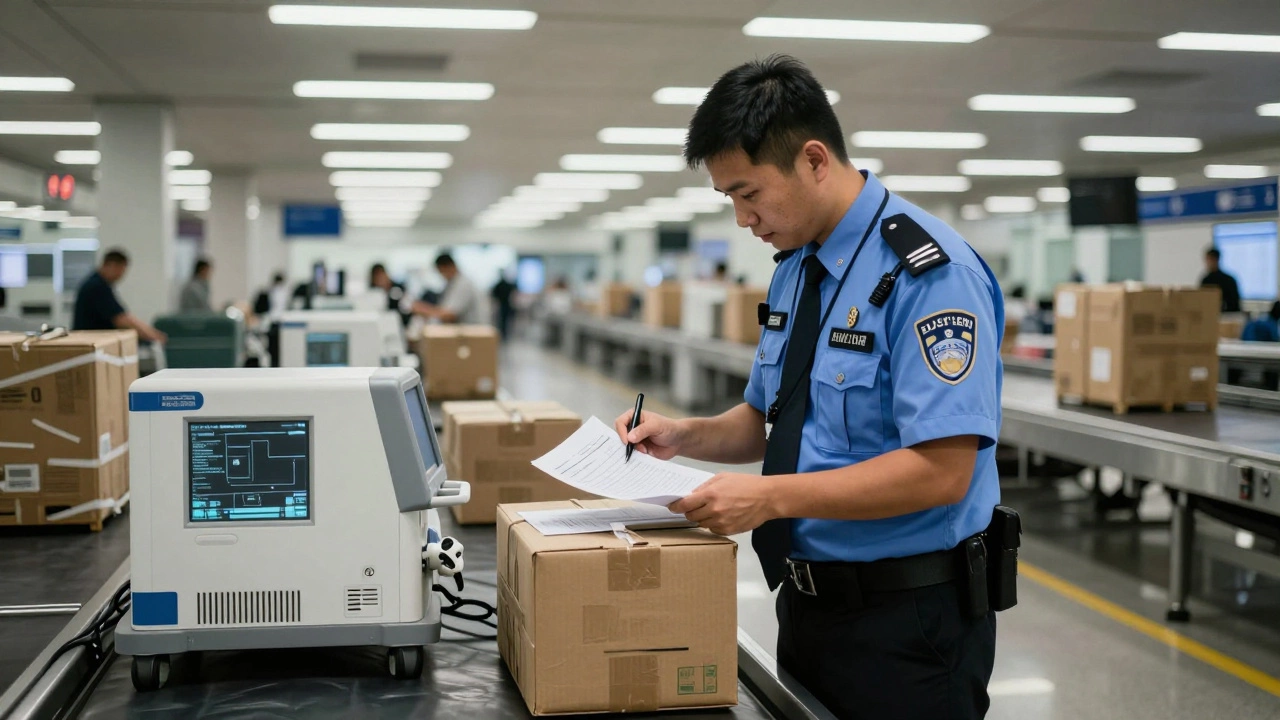
A California-based medical device company shipped a surgical tool to a hospital in Berlin. Using DHL Express, they initially planned for a 36-hour delivery. But they skipped the required medical device customs forms. The package sat at Frankfurt customs for 48 hours. After fixing the paperwork, it arrived in 72 hours total. The company now uses DHL's automated customs documentation tool, which cuts clearance time by 65%. This real case shows how small mistakes can double delivery times.
Express vs Next-Day vs Same-Day: Key Differences
Many people confuse express delivery with next-day or same-day services. Next-day delivery is a subset of express, guaranteeing 24-hour delivery for domestic shipments. Same-day delivery is even faster but only works within a city or region. For example, Amazon Prime Now delivers groceries in under 2 hours in 30 major U.S. cities. But internationally, same-day isn't possible. Express delivery covers all these options but focuses on speed over distance. FedEx's International Priority service is express but takes 3-5 days globally, while their same-day service only exists in select U.S. cities.

5 Tips to Maximize Express Delivery Speed
- Use accurate addresses: 30% of delays come from incorrect or incomplete addresses. Always double-check postal codes and apartment numbers.
- Choose the right carrier: For EU shipments, DHL is 22% faster than FedEx in 2026. For U.S. domestic, UPS beats FedEx by 8% in on-time delivery.
- Prepare customs docs early: For international shipments, submit forms 24 hours before pickup. Tools like DHL's MyDHL+ automate this.
- Avoid peak seasons: Shipping during holidays like Christmas or Black Friday adds 2-3 days. Schedule critical shipments for quieter months.
- Track in real-time: Use carrier apps to get proactive alerts. UPS's 2026 tracking system reduced customer inquiries by 40%.
How Express Delivery Has Changed in 2026
Recent tech advances have boosted express speeds. AI-powered route optimization cuts delivery times by 15% on average. DHL's new drone delivery hubs in Germany now handle 20% of local express shipments in under 30 minutes. Automated customs processing at major airports like Frankfurt and Singapore has reduced clearance times by 50%. Even small carriers like OnTrac now offer same-day delivery in 45 U.S. cities using electric vehicle fleets. These innovations mean express delivery is faster and more reliable than ever before.
How fast is express delivery for international shipments?
International express delivery typically takes 2-5 business days, depending on the carrier and destination. For example, DHL Express Worldwide averages 2.1 days for EU shipments in 2026, while FedEx International Priority takes 3-5 days for most global routes. Customs clearance can add 1-3 days if documentation isn't perfect.
What's the difference between express delivery and next-day delivery?
Next-day delivery is a type of express service that guarantees delivery within 24 hours for domestic shipments. Express delivery is a broader category that includes next-day, same-day, and international options. For example, FedEx offers Next-Day Air for domestic (1 day), while their International Priority service is part of express delivery but takes longer internationally.
Can express delivery be faster than 24 hours?
Yes, especially for same-day services in urban areas. Amazon Prime Now delivers groceries in under 2 hours in 30 U.S. cities. DHL's drone hubs in Germany handle local express shipments in under 30 minutes. For international, same-day isn't possible, but some routes like U.S. to Canada can be under 12 hours with premium services.
What causes delays in express shipping?
The top causes are customs issues (42% of international delays), weather disruptions, and last-mile delivery problems. A 2026 study found that incorrect addresses caused 30% of delays, while peak-season volume spikes added 2-3 days during holidays. Using accurate documentation and avoiding holiday shipping periods minimizes these risks.
How much does express delivery cost compared to standard?
Express delivery typically costs 2-5x more than standard shipping. For a 5-pound package from New York to Los Angeles, standard UPS Ground is $12, while UPS Next Day Air is $65. International, a 10kg shipment to Germany costs $80 standard but $220 for express. However, the speed often justifies the cost for time-sensitive items like medical supplies or event materials.