E-Commerce Logistics Cost & Visibility Estimator
Input Parameters
Monthly Cost Breakdown
Visibility Risk Score
Based on error rates and operational inefficiencies
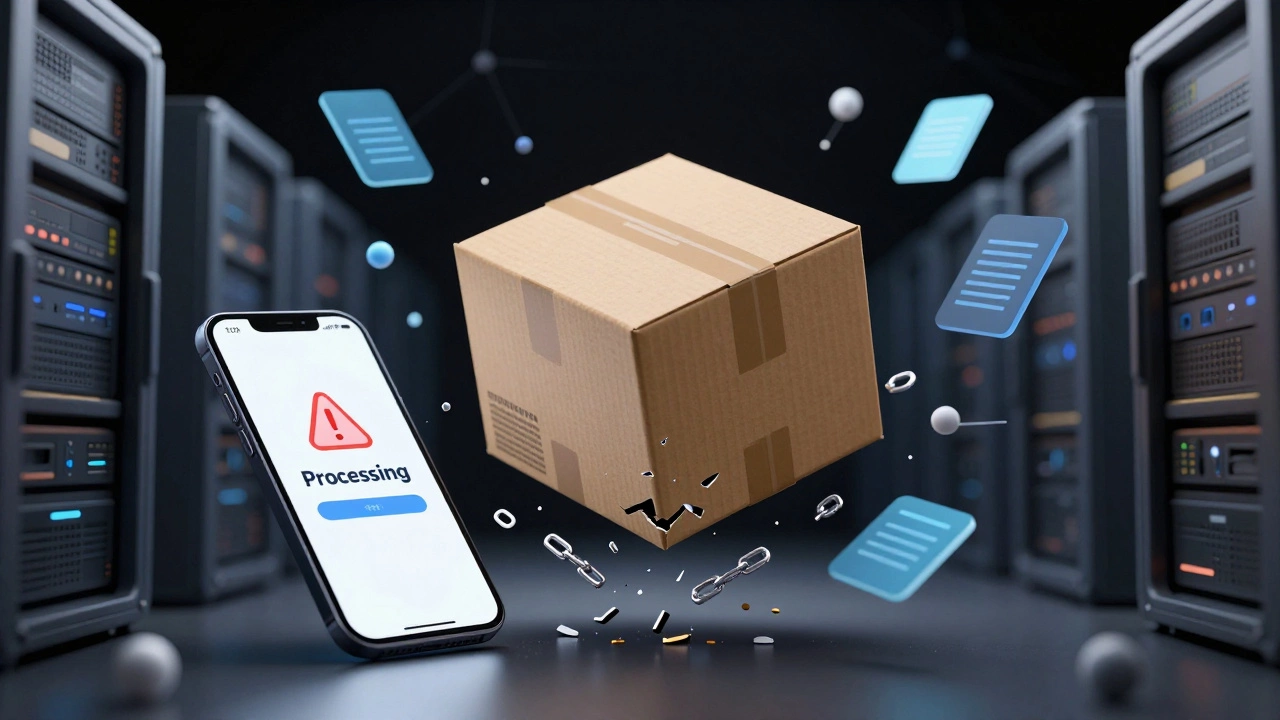
Picture this: It is June 2026. You ordered a new pair of running shoes on Tuesday morning. By Thursday evening, the tracking page still says 'Processing.' No movement. No explanation. Just silence. For you, it’s an annoyance. For the retailer, it’s a ticking time bomb of customer churn and refund requests. This scenario plays out millions of times daily across the global e-commerce logistics network.
So, what is the single biggest problem in logistics today? If you ask a dozen supply chain executives, you’ll get twelve different answers. Some will scream about rising fuel costs. Others will point to labor shortages or customs delays. But if you strip away the noise and look at the root cause, one issue stands above the rest: fragmented visibility.
We live in an era where we can track a drone in real-time, yet many major retailers cannot tell you exactly where your package is until it hits the final courier. The gap between what customers expect (instant, transparent updates) and what logistics networks deliver (black boxes with occasional status pings) is widening. This lack of end-to-end visibility isn’t just a technical glitch; it is the central fracture line breaking modern supply chains.
It is interesting how interconnected our world has become. While we struggle to find a lost parcel, other industries have mastered precision coordination. For instance, specialized service directories like this resource demonstrate how niche markets use verified, real-time data to manage availability and client expectations efficiently-a standard that general logistics often fails to meet.
The Myth of Real-Time Tracking
Let’s be clear: most 'real-time' tracking is actually near-real-time reporting from disconnected systems. When you buy something online, your order touches dozens of entities. There is the merchant’s warehouse management system (WMS), the carrier’s transportation management system (TMS), the customs broker’s software, and finally, the local courier’s app. These systems rarely talk to each other in a unified language.
Imagine a relay race where every runner drops the baton into a black box before the next person picks it up. That is your supply chain. The merchant knows when they hand off to FedEx or DHL. The carrier knows when they scan it at their hub. But the space in between? That is a void. During this void, problems fester. A package might be sitting on a dock because of a labeling error, but the customer sees 'In Transit.' The disconnect creates frustration that no amount of apology emails can fix.
This fragmentation is exacerbated by the rise of dropshipping and third-party marketplaces. In these models, the seller never touches the product. They rely entirely on suppliers who may operate in regions with outdated infrastructure. If a supplier in Southeast Asia uses a manual spreadsheet to track inventory while the US-based retailer uses AI-driven demand forecasting, the two systems will eventually collide. The result? Stockouts for popular items and overstocking for dead weight.
The Last Mile Bottleneck
Visibility issues hit hardest at the end of the journey: the last mile. This is the final leg of delivery, from the distribution center to the customer's doorstep. It accounts for up to 53% of total shipping costs, according to industry analyses from recent years. Why is it so expensive and prone to failure?
Urban density is the enemy here. Drivers spend more time idling in traffic than moving packages. Failed deliveries are a massive contributor to inefficiency. If a driver arrives and no one is home, the package goes back to the depot. It must be re-routed, re-scanned, and redelivered. Each attempt multiplies the cost and carbon footprint. Without precise visibility into customer availability windows and location data, carriers are essentially guessing.
Furthermore, the expectation of same-day or next-day delivery has compressed margins to dangerous levels. To compete, companies slash prices, which leads to underpaid drivers and higher turnover. High turnover means less experienced staff making more errors, which further degrades visibility and reliability. It is a vicious cycle that threatens the sustainability of current e-commerce models.
Inventory Blind Spots
Before a package even moves, there is the problem of knowing what you actually have. Inventory accuracy is notoriously difficult to maintain. Warehouses are chaotic environments. Items get misplaced, damaged, or mislabeled. When your digital record says you have 100 units of a product, but physically only 85 are available, you face a dilemma.
If you sell all 100 units online, you will have to cancel 15 orders. Cancellations destroy trust faster than late deliveries. Customers remember the brand that let them down, not the warehouse worker who made a mistake. Conversely, if you hold back inventory to be safe, you miss sales opportunities. Competitors with better visibility will capture those customers instead.
This is where technology steps in, but also where it often fails. Many businesses still rely on periodic physical counts rather than continuous monitoring. Radio Frequency Identification (RFID) tags and Internet of Things (IoT) sensors can provide real-time inventory data, but implementing them requires significant upfront investment and integration effort. Smaller players often cannot afford this leap, leaving them at a disadvantage against larger corporations with automated warehouses.
| Feature | Traditional Approach | Modern Integrated Approach |
|---|---|---|
| Data Flow | Siloed, batch-processed | Real-time, API-driven |
| Visibility | Checkpoint-based (scans) | Continuous (GPS/IoT) |
| Error Handling | Reactive (after complaint) | Predictive (AI alerts) |
| Cost Structure | High variable costs | Higher fixed, lower variable |
| Customer Experience | Opaque, uncertain | Transparent, proactive |

The Human Element and Labor Shortages
Technology alone cannot solve logistics problems if there are no people to run it. The logistics sector faces a chronic labor shortage. Driving trucks, operating forklifts, and picking packages are physically demanding jobs with high burnout rates. As demographics shift and younger generations seek less strenuous work, finding reliable staff becomes harder.
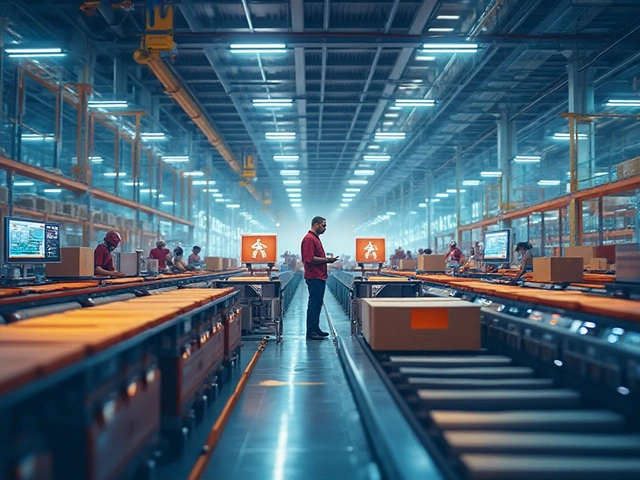
This shortage impacts visibility indirectly. When workers are overwhelmed, scanning procedures are skipped. Data entry becomes hasty and error-prone. A missing scan doesn't just mean a delay; it means the system loses sight of the asset. Until the package is found or scanned again, it exists in a digital limbo. Companies are responding with automation-robots, autonomous mobile robots (AMRs), and conveyor systems-but these solutions require skilled technicians to maintain them, creating a new type of labor gap.
Regulatory and Geopolitical Friction
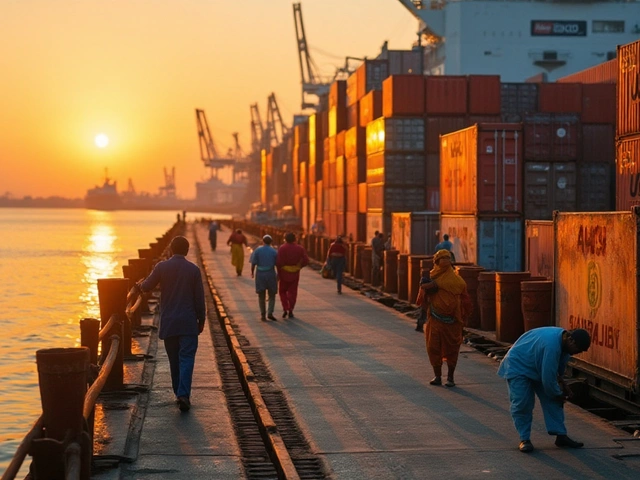
In 2026, global trade is more complex than ever. Tariffs, sanctions, and changing environmental regulations add layers of complexity to international shipments. A container stuck at a port isn't just delayed by congestion; it might be held up due to documentation discrepancies or new compliance requirements.
Customs clearance is a major blind spot. Unlike domestic shipping, where rules are uniform, international logistics involves navigating dozens of different legal frameworks. If a shipment lacks the correct HS codes or certificates of origin, it can sit idle for weeks. Most tracking systems do not integrate well with customs databases, leaving shippers in the dark until a broker sends an urgent email. This regulatory opacity makes planning nearly impossible and increases the risk of costly demurrage fees.
Sustainability Pressures
Consumers and governments are demanding greener logistics. Carbon emissions from transport are under scrutiny. Companies are pressured to reduce their footprint, but doing so often conflicts with speed and cost efficiency. Electric vehicles (EVs) are promising, but charging infrastructure is still developing, especially for long-haul trucking. Rail and sea freight are cleaner but slower. Balancing these factors without losing visibility into the carbon impact of each shipment is a new challenge for logistics managers.
Greenwashing is a risk here. Brands claim sustainable practices without verifying the entire supply chain. If a retailer sources materials from a factory with poor environmental standards, their final delivery method matters less. True sustainability requires full visibility into every tier of the supply chain, which brings us back to the core problem: fragmented data.
How to Fix the Visibility Gap
Solving the biggest problem in logistics requires a shift from siloed operations to integrated ecosystems. Here are practical steps companies are taking:
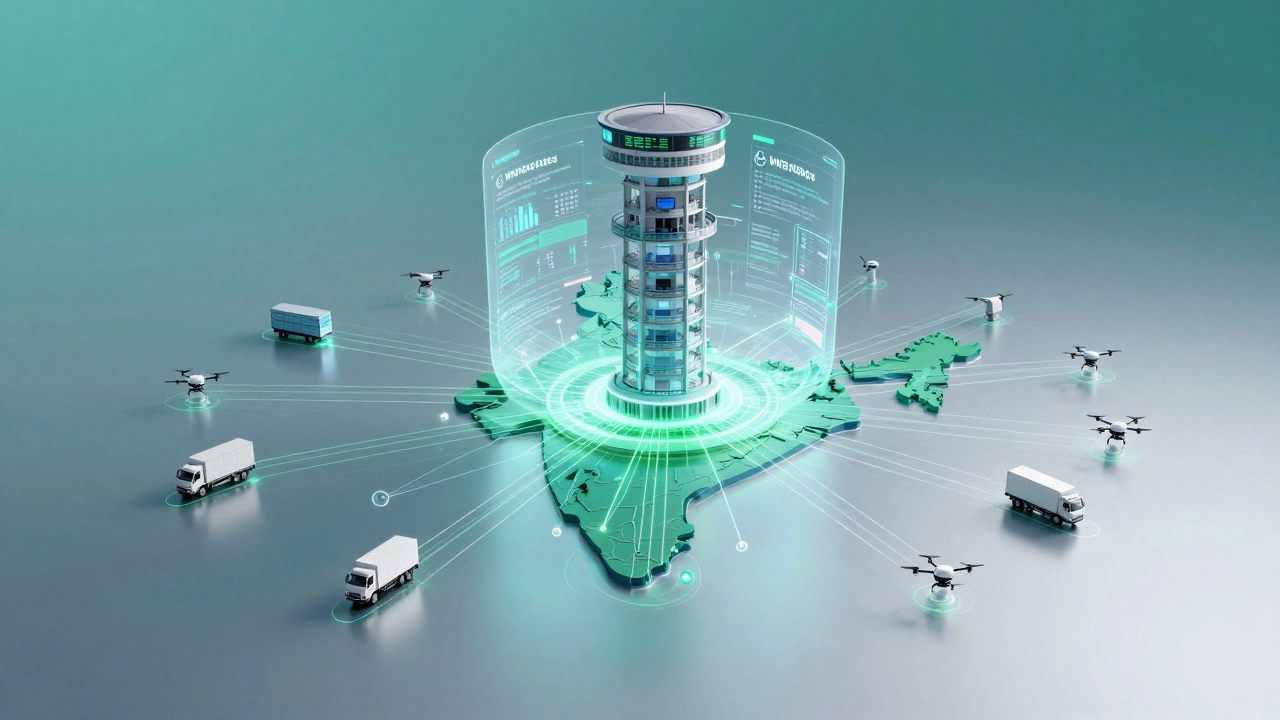
- Adopt Control Tower Solutions: These platforms aggregate data from multiple carriers and warehouses into a single dashboard. They don't replace existing systems but sit on top, providing a unified view.
- Implement IoT Sensors: Beyond GPS, sensors monitor temperature, humidity, and shock. This is crucial for perishables and high-value goods. It provides context, not just location.
- Standardize Data Formats: Industry groups are pushing for common data standards (like EDI or API norms) so systems can communicate seamlessly. Avoid proprietary formats that lock you into one vendor.
- Invest in Customer Communication: Proactively inform customers of delays before they ask. Use predictive analytics to estimate arrival times more accurately. Transparency builds trust even when things go wrong.
- Collaborate with Partners: Share data with suppliers and carriers. Mutual visibility benefits everyone. If a supplier knows your inventory levels, they can ship just-in-time, reducing your storage needs.
Looking Ahead
The future of logistics lies in intelligence, not just movement. Artificial Intelligence and Machine Learning are beginning to predict disruptions before they happen. Algorithms can reroute shipments around weather events or port strikes automatically. Blockchain offers potential for immutable records of provenance and compliance, though adoption remains slow.
However, technology is only as good as the data feeding it. Garbage in, garbage out. Until we solve the fundamental issue of data fragmentation and ensure accurate, real-time information flows across all nodes of the supply chain, logistics will remain reactive rather than proactive. The biggest problem isn't moving boxes; it's knowing where they are, why they're delayed, and how to get them there efficiently. Mastering visibility is the key to unlocking the next era of e-commerce success.
Why is last-mile delivery so expensive?
Last-mile delivery is expensive because it involves delivering small parcels to individual addresses, often in dense urban areas with traffic and parking challenges. It requires high labor intensity, frequent stops, and handling failed deliveries, which multiply costs. Additionally, the demand for fast delivery speeds compresses routes, increasing operational pressure.
What causes inventory inaccuracies in warehouses?
Inventory inaccuracies stem from human error during picking and packing, mislabeling, theft, damage, and poor receiving processes. Lack of real-time tracking systems like RFID exacerbates the issue, as discrepancies are only discovered during periodic physical counts, leading to stockouts or overstocking.
How does AI improve logistics visibility?
AI improves visibility by analyzing vast amounts of data from various sources to predict delays, optimize routes, and identify anomalies. Machine learning algorithms can forecast demand more accurately, allowing for better inventory placement. AI-powered control towers provide a unified, real-time view of the supply chain, enabling proactive decision-making.
What is a logistics control tower?
A logistics control tower is a centralized platform that aggregates data from multiple systems (WMS, TMS, ERP) and external partners (carriers, suppliers). It provides end-to-end visibility, monitors KPIs, and alerts users to exceptions or disruptions, allowing for coordinated responses across the supply chain.
How do labor shortages affect supply chain visibility?
Labor shortages lead to rushed processes, skipped scans, and increased errors in data entry. When workers are overwhelmed, they may bypass proper documentation protocols, causing gaps in tracking data. This results in 'blind spots' where the location or status of goods is unknown until a later checkpoint.