Ecommerce Logistics Provider Calculator
Best Match:
Why This Provider?
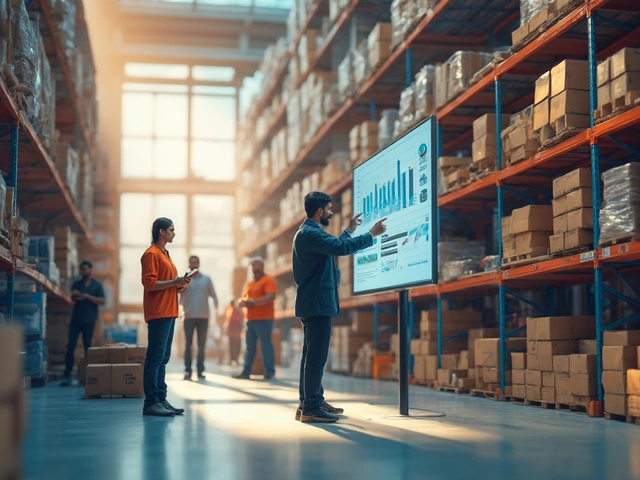
When you order something online in the U.S., it doesn’t just magically appear at your door. Behind every package is a complex network of warehouses, trucks, software systems, and delivery drivers - all run by ecommerce logistics companies. These are the unseen engines that make Amazon, Shopify, Etsy, and even small online stores work. If you’re running an online business or just curious about how your orders get delivered, knowing who’s handling the logistics matters - because not all companies are created equal.
Who are the biggest ecommerce logistics players in the U.S.?
The U.S. ecommerce logistics market is dominated by a mix of giant carriers, specialized fulfillment providers, and hybrid models that blend technology with physical infrastructure. The top names you’ll hear again and again are Amazon Logistics, UPS, FedEx, and USPS. But beneath those giants, a wave of newer, more agile companies is reshaping what fast, affordable, and reliable delivery looks like.
Amazon Logistics isn’t just Amazon’s delivery arm - it’s a full-scale logistics network that handles over 5 billion packages annually in the U.S. alone. It uses its own fleet of vans, planes, and warehouses, and even partners with independent drivers through Amazon Flex. Unlike traditional carriers, Amazon doesn’t just move packages; it manages inventory, predicts demand, and optimizes routes using AI. For sellers on Amazon, this means faster delivery times and lower costs - but it also means less control over branding and customer experience.
UPS and FedEx are the old-school giants with decades of infrastructure. Both offer nationwide coverage, real-time tracking, and business services like returns management and customs clearance. UPS has invested heavily in its UPS My Choice service, letting customers reroute deliveries or hold packages at local centers. FedEx, on the other hand, built its reputation on overnight shipping and still leads in time-sensitive B2B deliveries. Both companies have added ecommerce-specific pricing tiers and automated label printing tools to stay competitive.
USPS, the U.S. Postal Service, is the only carrier required by law to deliver to every address in the country - including rural roads and apartment buildings. That makes it the cheapest option for lightweight packages under 1 pound. Many small ecommerce sellers use USPS Priority Mail or First-Class Package Service because it’s affordable and reliable for domestic shipments. Its partnership with Amazon for last-mile delivery has also made it a hidden backbone of the ecommerce ecosystem.
Specialized fulfillment and logistics providers
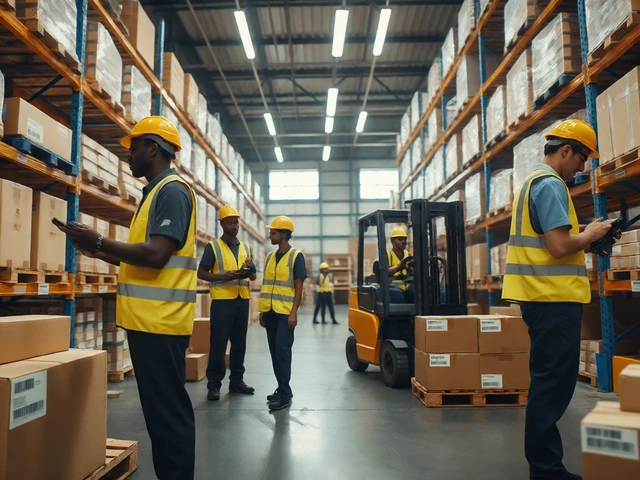
If you’re selling on Shopify, Etsy, or your own website, you probably don’t want to handle storage, packing, and shipping yourself. That’s where third-party logistics (3PL) providers come in. These companies store your inventory in warehouses across the country and ship orders on your behalf - often with same-day processing.
ShipBob is one of the most popular 3PLs for small to mid-sized online stores. It has fulfillment centers in 12 U.S. locations and integrates directly with Shopify, WooCommerce, and BigCommerce. ShipBob’s software predicts which warehouse to ship from based on customer location, cutting delivery times and shipping costs. Most clients see delivery times drop from 5-7 days to 2-3 days.
Red Stag Fulfillment focuses on high-value, fragile, or heavy items - think fitness equipment, luxury goods, or medical devices. They don’t just pack boxes; they handle custom packaging, gift wrapping, and even assembly. Their clients include brands like Peloton and Yeti. Red Stag’s average order processing time is under 2 hours, and they offer a 100% on-time shipping guarantee.
Fulfillment by Amazon (FBA) isn’t just for Amazon sellers. Many brands use FBA as their primary fulfillment method, even if they sell on multiple platforms. Amazon stores your products in its warehouses, handles returns, and even offers Prime eligibility. The downside? You pay higher fees, and you’re locked into Amazon’s system - including their return policies and customer service standards.
Ware2Go is a tech-driven 3PL that connects sellers with a network of local warehouses. It’s like Uber for fulfillment - you get access to dozens of fulfillment centers without signing long-term contracts. Ware2Go’s pricing is transparent and scales with volume, making it ideal for businesses testing new markets or seasonal products.
Last mile delivery specialists
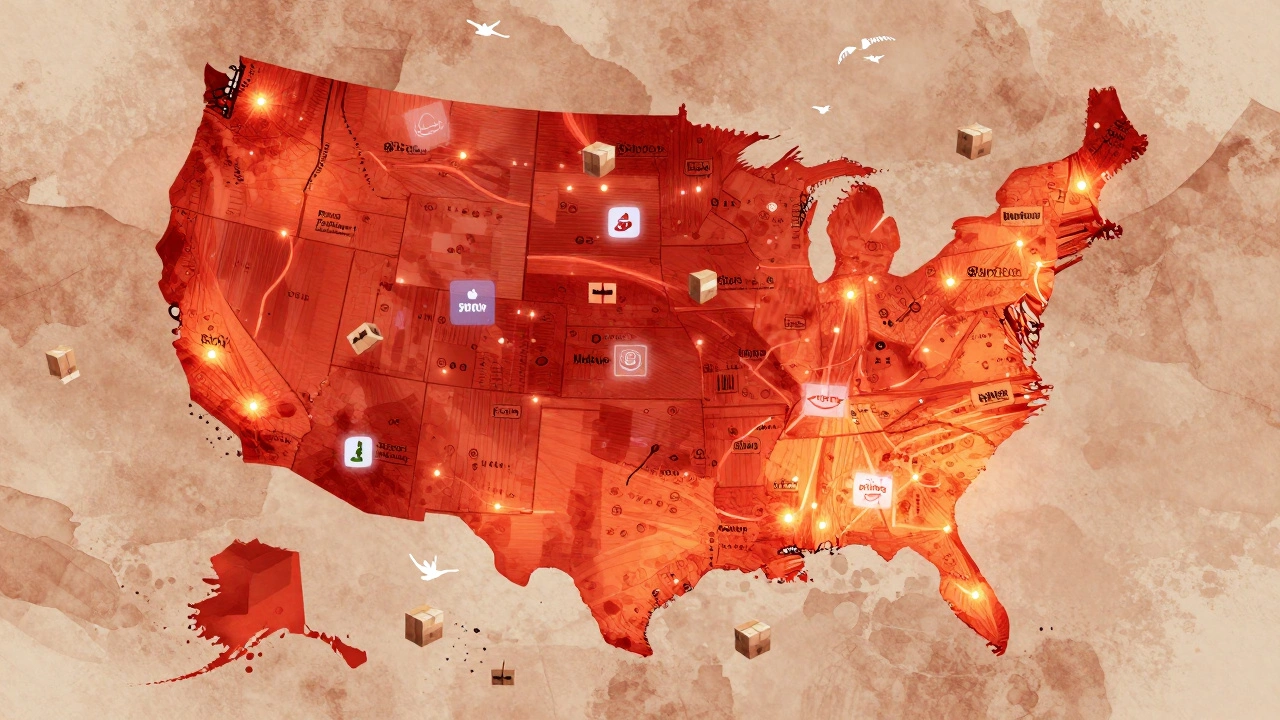
The final leg of delivery - from a local hub to your doorstep - is called the last mile. It’s the most expensive and unpredictable part of the logistics chain. That’s why companies like Postmates, DoorDash, and Instacart are now offering ecommerce delivery services beyond food and groceries.
Postmates, now owned by Uber, lets retailers offer on-demand delivery within 2 hours in over 4,000 U.S. cities. It’s perfect for local boutiques, pharmacies, or electronics stores that want to compete with Amazon’s speed. DoorDash has expanded its DashPass Delivery service to include retail items, partnering with brands like Target and Best Buy. Instacart, while still focused on groceries, now delivers pet supplies, cleaning products, and even baby gear from local retailers.
These services aren’t meant to replace UPS or FedEx - they’re meant to complement them. Think of them as your “emergency delivery” option for customers who want something now.
What to look for when choosing a logistics partner
Not every company is right for every business. Here’s what actually matters when you’re picking a logistics provider:
- Delivery speed: Do they offer 2-day, next-day, or same-day delivery? Where are their warehouses located? If most of your customers are in California, having a warehouse in Ohio won’t help.
- Integration: Does their system plug into your store platform? Shopify, WooCommerce, and Magento integrations are non-negotiable for most sellers.
- Cost structure: Are there hidden fees? Some providers charge extra for oversized items, weekend delivery, or returns. Ask for a full breakdown.
- Returns handling: Returns cost retailers up to 20% of revenue. Does the company offer easy return labels, reverse logistics, or restocking services?
- Scalability: Can they handle your peak season? If you sell holiday gifts or seasonal fashion, your volume might spike 500% in December. Make sure your provider can scale with you.
One common mistake? Choosing the cheapest option. A $1 shipping cost might save you money now, but if packages arrive late or damaged, you lose customers - and trust - forever.
How technology is changing logistics
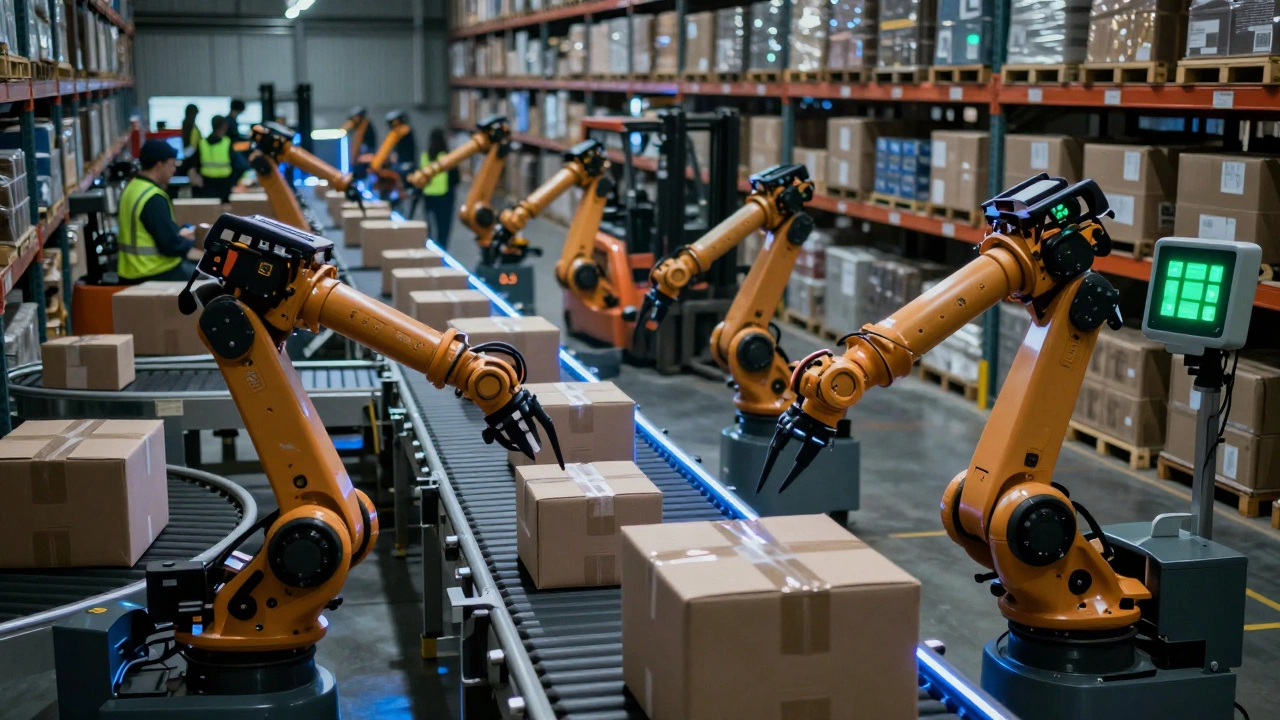
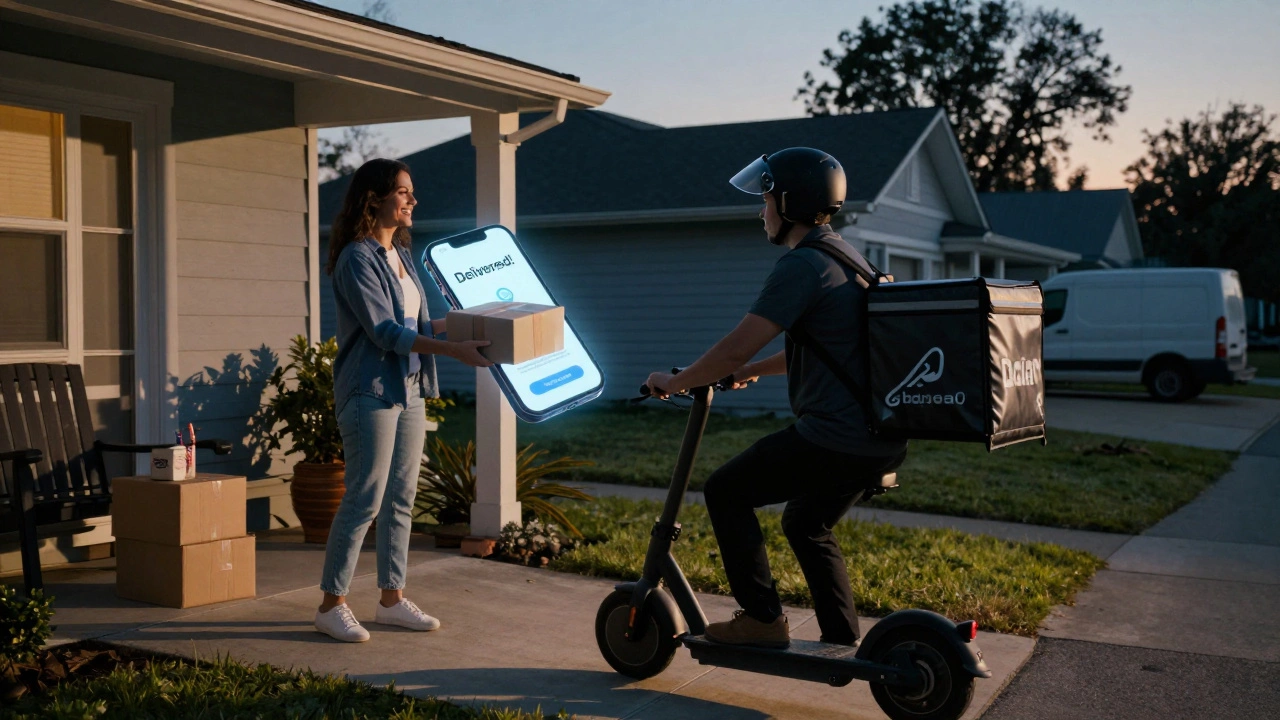
The best ecommerce logistics companies today aren’t just moving boxes - they’re running data centers on wheels. AI predicts which products will sell where. Robots pack orders in warehouses. Drones are being tested in rural areas. Autonomous delivery vehicles are already rolling in Phoenix and Austin.
Companies like Boxed and Deliv use real-time route optimization to reduce fuel use and delivery time. Others, like Flexe, offer on-demand warehouse space - so you only pay for storage when you need it. These innovations are lowering costs and increasing reliability, but they also mean you need to ask: Is your logistics provider keeping up?
If your provider still uses paper manifests, manual tracking, or doesn’t offer API access to their system, you’re already behind.
Bottom line: Who should you pick?
For Amazon sellers: Use FBA. It’s the easiest path to Prime eligibility and fast delivery.
For Shopify stores under 500 orders/month: Try ShipBob or Ware2Go. They’re affordable, easy to set up, and scale fast.
For high-end or bulky products: Go with Red Stag Fulfillment. Their attention to detail and packaging quality is unmatched.
For local businesses wanting same-day delivery: Partner with DoorDash or Postmates. They turn your store into a 24/7 delivery hub.
For international shipping: Combine USPS for lightweight parcels and FedEx for heavier items. Don’t try to handle customs yourself - use a provider that includes duty and tax calculation.
The right logistics partner doesn’t just move your products - it protects your brand, builds customer loyalty, and gives you time to focus on what really matters: growing your business.
What is the cheapest ecommerce logistics company in the USA?
For lightweight packages under 1 pound, USPS is usually the cheapest option. For heavier or faster deliveries, ShipBob and Ware2Go offer competitive rates with better tracking and integration than standard carriers. Avoid choosing based only on price - reliability and delivery speed matter more long-term.
Do all ecommerce logistics companies offer international shipping?
No. Most U.S.-based logistics companies focus on domestic delivery. FedEx and UPS do offer international services, but they charge high fees and require complex customs paperwork. For international shipping, consider specialized providers like DHL Express or Borderfree, or use a 3PL that partners with global carriers.
Can I use multiple logistics companies at once?
Yes, and many successful online stores do. For example, use USPS for small, low-cost items, FedEx for heavy or time-sensitive orders, and ShipBob for fast domestic delivery. Smart logistics platforms like Shippo or Easyship let you compare rates and auto-select the best carrier per order.
How do I know if my logistics provider is reliable?
Check their on-time delivery rate - anything below 95% is a red flag. Look for customer reviews that mention damaged packages or lost shipments. Ask for case studies or testimonials from businesses similar to yours. Reliable providers also offer real-time tracking and proactive alerts if something goes wrong.
What’s the difference between a carrier and a 3PL?
A carrier (like UPS or FedEx) only transports packages. A third-party logistics provider (3PL) stores your inventory, picks and packs orders, and ships them - often using multiple carriers. If you want to outsource the entire process, go with a 3PL. If you just need to ship boxes you’ve already packed, use a carrier.
If you’re just starting out, test two providers side by side for a month. Track delivery times, customer feedback, and return rates. The right logistics partner won’t just cut your costs - they’ll make your customers happier.