Courier Cost Calculator
Calculate Your Actual Shipping Costs
Results
Tip: In 2025, 38% of courier shipments experienced delays. The average hidden fees added 97% to shipping costs for small businesses.
Everyone uses courier services. You order a gift, a prescription, or a replacement phone part, and it shows up in two days. But behind that convenience is a system full of hidden problems. If you’re thinking about relying on couriers for your business or personal shipping, you need to know what can go wrong - not just the occasional late package, but the real, recurring headaches that cost time, money, and trust.
Delivery Delays Are Common - Even When They Promised ‘Next Day’
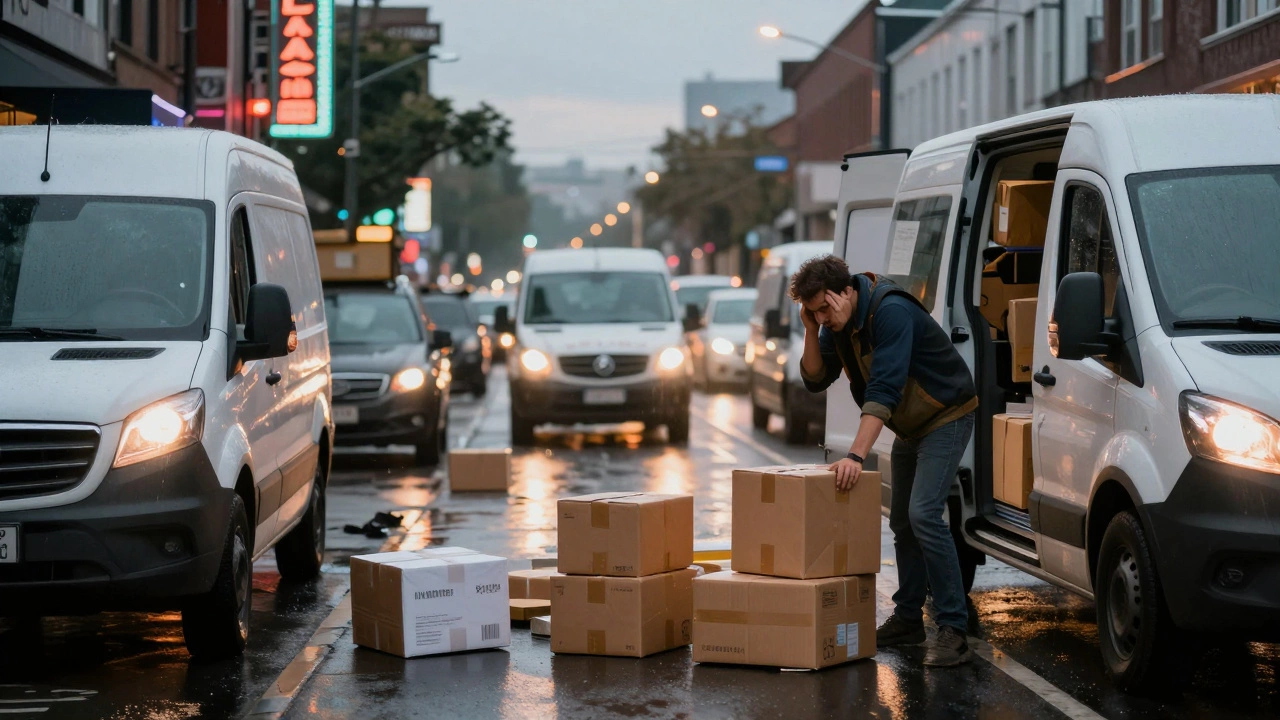
Couriers advertise fast delivery, but ‘next day’ doesn’t mean tomorrow. It means tomorrow, if the weather’s good, if the driver isn’t sick, if the warehouse didn’t misplace your box, and if the system didn’t glitch. In 2025, over 38% of domestic courier shipments in the U.S. and Europe experienced delays of more than 24 hours, according to logistics tracking data from the International Transport Forum. That’s nearly two in every five packages.
Why? Because couriers optimize for volume, not reliability. They pack trucks to the max, skip routes during low-demand hours, and reroute packages through central hubs that get backed up. A package from Chicago to Milwaukee might get sent to Cincinnati first because it’s cheaper for the courier - even if it adds 36 hours. Customers don’t see that. They just see a late delivery and think the sender is unreliable.
Hidden Costs Add Up Fast
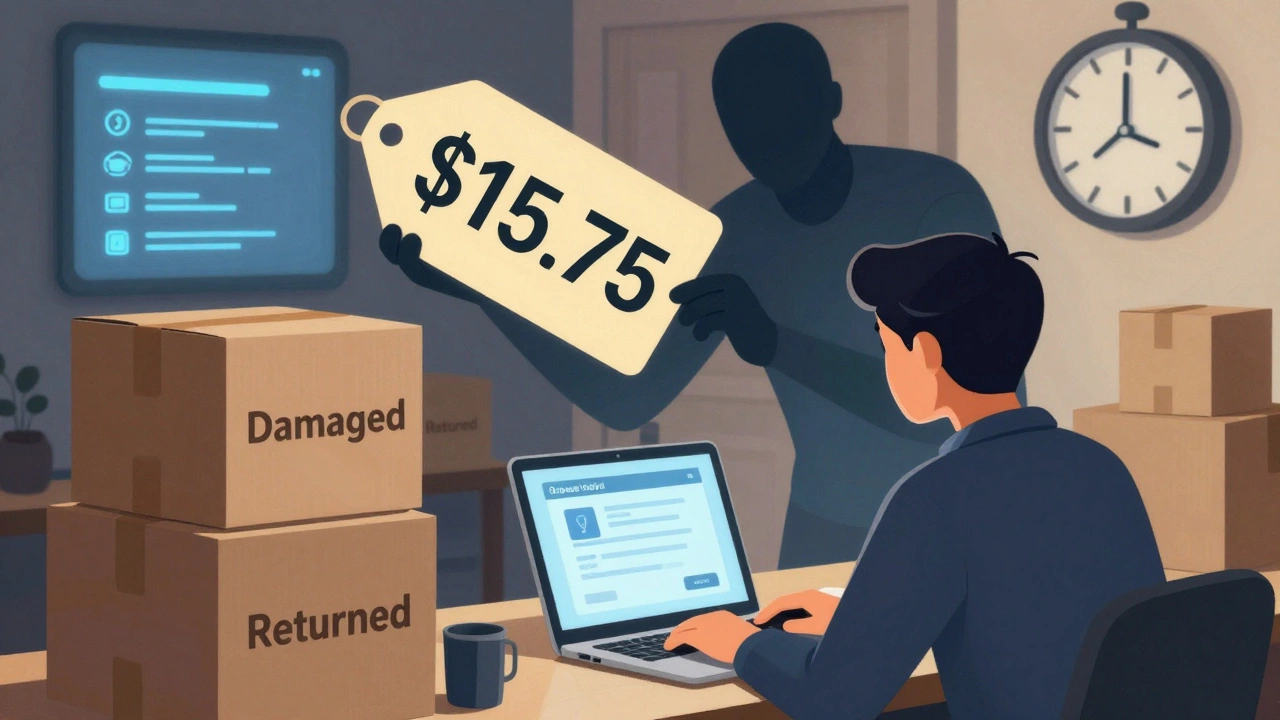
That $12 shipping fee? It’s rarely the full price. Extra charges sneak in everywhere: fuel surcharges, residential delivery fees, oversized item fees, signature requirements, weekend delivery premiums, and even fees for changing the delivery address after you’ve already paid. One small business owner in Ohio tracked her courier costs over six months. She thought she was paying $8 per package. Turns out, after all the add-ons, she was paying $15.75 - a 97% increase.
And if you’re shipping internationally? Forget flat rates. Customs fees, import taxes, and brokerage charges are often billed to the recipient after delivery. If the recipient refuses to pay, the package gets returned - and you’re stuck with the return shipping cost, plus the original fee. No one warns you about this until it’s too late.
Limited Control Over Your Shipment
Once you hand over a package to a courier, you lose control. You can track it online, sure. But you can’t change the route, speed it up, or even talk to the driver. Most couriers don’t give you direct access to their field staff. If your package is sitting at a depot because the delivery window was missed, you’ll get an automated email - not a human who can fix it.
Compare that to a local delivery driver you’ve worked with for years. You can call them, ask them to leave the box by the back door, or reschedule for Saturday. With a courier, you’re stuck in a digital queue. And if something goes wrong? You’ll spend hours on hold, only to be told, ‘We’re sorry, but we can’t guarantee delivery times.’
Damage and Loss Are More Common Than You Think
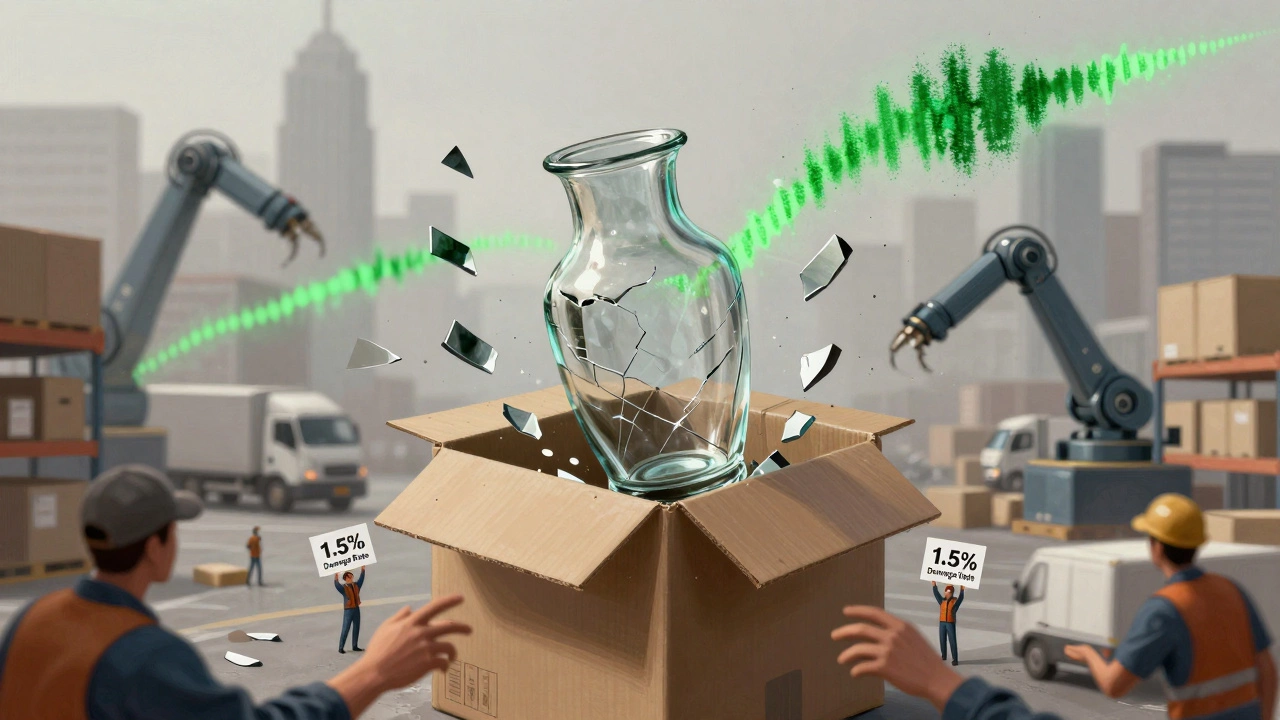
It’s easy to assume your package will arrive safely. But couriers handle thousands of packages a day. They’re stacked, dropped, tossed, and squeezed. In 2024, the U.S. Postal Inspection Service reported over 1.2 million claims for damaged or lost packages - and that’s just from one carrier. Private couriers don’t always report these numbers, but industry insiders say loss and damage rates hover between 1.5% and 3% for standard shipments.
And what happens when your item breaks? You file a claim. Then you wait. Then you get offered a fraction of the value - often based on weight, not what’s inside. If you shipped a $400 camera, you might get $15 in compensation because the courier’s policy caps liability at $100 per pound. Insurance? That’s extra. And most people don’t buy it, thinking, ‘It’ll be fine.’ Then it isn’t.
Environmental Impact Is Ignored - But Real
Courier services rely on hundreds of thousands of delivery vans, many running on diesel. In cities like London, Paris, and New York, courier vehicles are among the top contributors to urban air pollution and traffic congestion. One study from the University of California found that last-mile delivery emissions rose 30% between 2020 and 2024, mostly due to the surge in small, frequent deliveries.
And it’s not just pollution. Empty vans driving around neighborhoods looking for a single package? That’s wasted fuel. That’s unnecessary carbon. If you’re trying to run a sustainable business or reduce your personal footprint, couriers make that harder. There’s no option to group deliveries, no incentive to wait for a consolidated shipment. Every order triggers a new trip.
Peak Seasons Break the System
Black Friday, Christmas, back-to-school season - these are the busiest times for couriers. And they’re also the times when everything falls apart. Drivers are overworked. Packages pile up. Delivery windows stretch from 8 a.m. to 8 p.m. - and even then, many don’t get delivered.
In December 2025, over 40% of holiday shipments in North America and Europe were delayed by more than two days. Some customers didn’t get their gifts until January. Couriers don’t scale their workforce proportionally. They hire temporary workers, train them for a day, and send them out. No wonder mistakes happen.
Small Businesses Get Screwed the Most
If you’re a small online store, couriers are both your lifeline and your biggest liability. They charge you high rates, offer no flexibility, and give you zero support when things go wrong. Meanwhile, big brands like Amazon have their own delivery networks. They negotiate lower rates. They control the process. They absorb the losses.
Small sellers don’t have that power. They’re forced to eat the cost of delays, returns, and damaged goods - and then deal with angry customers who don’t care that the courier messed up. One Etsy seller in Portland lost over $12,000 in refunds and lost sales in 2025 because of courier errors. She didn’t have the resources to sue or switch carriers. She just had to accept it.
There’s No Real Accountability
Who do you blame when your package is late? The courier? The warehouse? The driver? The system? No one takes responsibility. Couriers hide behind terms and conditions. Their customer service reps are trained to say, ‘We’re sorry for the inconvenience,’ then move on. There’s no real penalty for failure.
Compare that to a train or airline. If your flight is delayed by three hours, you get compensation. If your package is delayed by three days? You get a coupon for 10% off your next shipment. That’s not accountability. That’s a slap on the wrist.
What Can You Do Instead?
You don’t have to accept these disadvantages. Here are three alternatives:
- Use local delivery networks: Many cities now have community-based delivery services that use bikes or electric vans. They’re slower but more reliable and cheaper for short distances.
- Consolidate shipments: Instead of shipping one item per day, wait until you have five. Ship them together. You’ll save money and reduce environmental impact.
- Build your own delivery team: For local businesses, hiring one part-time driver can be cheaper and more reliable than paying a courier every time.
There’s no perfect system. But knowing the downsides lets you make smarter choices. Don’t use couriers because they’re easy. Use them because they’re the right tool for the job - and always have a backup plan.
Are courier services always more expensive than regular mail?
Not always, but they often are for small packages. Regular mail like USPS Priority Mail can cost less for lightweight items under 2 pounds. Couriers charge more because they guarantee speed and tracking. If you don’t need next-day delivery, regular mail is usually cheaper and just as reliable for non-urgent items.
Can I avoid damage claims by packing better?
Better packing helps, but it won’t stop everything. Couriers drop, stack, and crush packages regardless of how well you wrap them. Even a perfectly packed glass vase can break if it’s thrown into a bin with 50 other boxes. Insurance is still the only real protection - and most people don’t buy it.
Why do couriers charge extra for residential deliveries?
Because it’s harder and more expensive. Apartment buildings need elevator access, houses require walking farther, and many locations aren’t on main roads. Couriers charge extra because their drivers spend more time per stop, and their routing software isn’t optimized for scattered addresses. It’s a cost they pass on to you.
Do couriers have better tracking than postal services?
Yes, but only at first. Couriers offer detailed scans at every step - pickup, sorting, transit, out for delivery. But once the package is with the last-mile carrier (often a subcontractor), tracking often stops. You’ll see ‘out for delivery’ for days with no update. Postal services like USPS have fewer scans, but they’re more consistent at the final stage.
Is it worth paying for courier insurance?
If you’re shipping anything over $100, yes. Standard liability limits are low - often $50 to $100 per package. Insurance costs a few extra dollars, but it covers the full value. For electronics, jewelry, or fragile items, skipping insurance is a gamble you shouldn’t take.
Final Thought: Convenience Has a Price
Courier services made shipping easy. But easy doesn’t mean reliable, affordable, or ethical. Every time you hit ‘confirm order,’ you’re signing up for a system that prioritizes speed over stability, profit over accountability, and volume over care. If you rely on couriers, you’re not just paying for delivery - you’re paying for the risk of delay, damage, and disappointment. Know the cost. Plan for it. And don’t assume it’ll all go smoothly.