International Shipping Cost Calculator
Calculate Your International Shipping Costs
Get an estimate based on the factors explained in the article
Have you ever sent a small box overseas and been shocked by the price? You pack up a few clothes, a gift, or some samples-something that weighs less than five pounds-and the quote comes back at $120. Meanwhile, shipping the same thing across town costs $8. What’s going on? Why does moving a package across the ocean cost more than a weekend road trip?
It’s Not Just the Plane Ride
Most people think international shipping is expensive because it’s flown across the ocean. But planes only make up about 20% of the total cost. The real drivers are hidden in the layers between your door and the recipient’s. Every time a package changes hands-between warehouses, customs agents, truckers, and local couriers-there’s a fee. And each of those handoffs has overhead, labor, insurance, and compliance costs built in.Take a package from New York to Berlin. It starts at a local FedEx hub, gets trucked to JFK, loaded onto a cargo plane, lands at Frankfurt Airport, cleared by German customs, transferred to a regional sorting center, then driven to a local post office for final delivery. That’s six separate operators, each charging for their part. And if any step gets delayed? You pay extra for storage or expedited handling.
Customs Fees and Paperwork Are a Hidden Tax
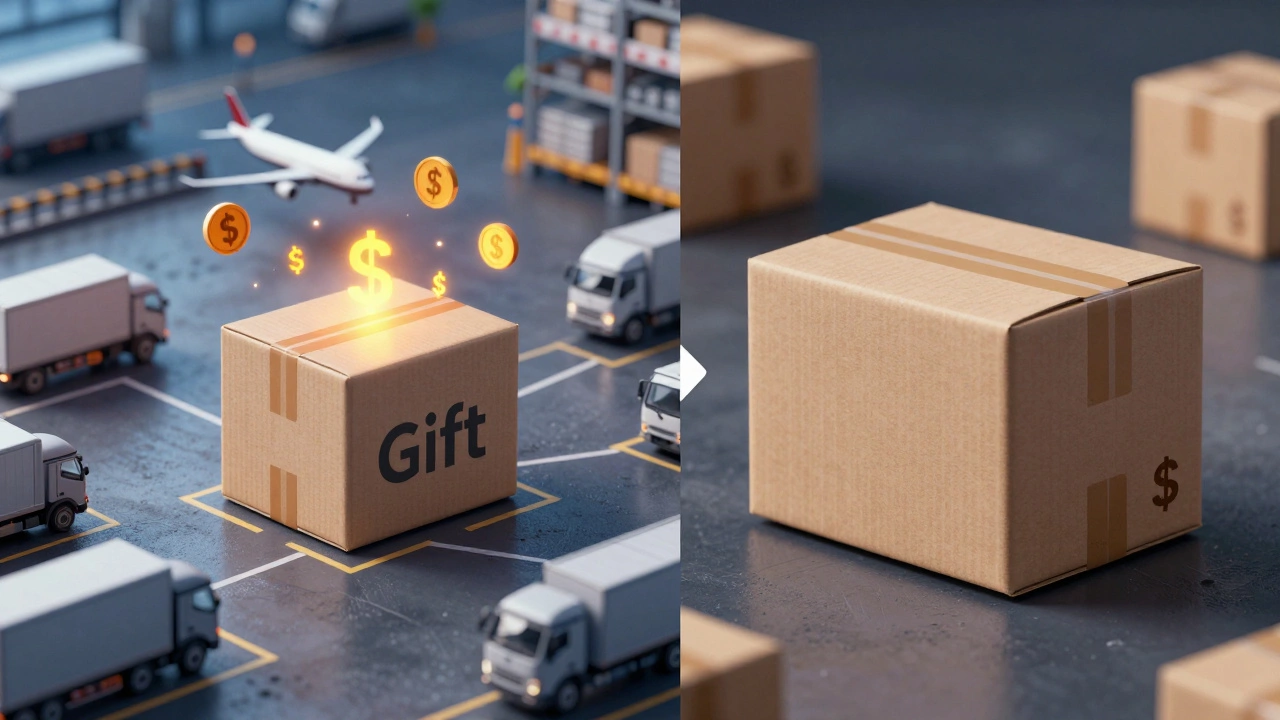
Every country has its own rules. Some demand detailed invoices. Others require specific forms in their native language. Some charge taxes based on the declared value, even if it’s a gift. The EU, for example, charges VAT on all imports over €150. Canada applies GST, PST, and customs duties depending on the product type. Brazil has a complex system called ICMS that can add 17% to 25% to the value of your shipment.And here’s the kicker: if your paperwork is wrong-even one misspelled word-you get stuck in customs. That means detention fees, re-filing charges, and delays that can cost you hundreds more. Carriers don’t make money on customs clearance; they just pass the cost along. And they charge extra because they’re taking the risk. If your package gets held or rejected, they’re on the hook for return shipping or destruction.
Fuel and Currency Swings Hit Hard
Air freight fuel costs have jumped 40% since 2022. Even though oil prices have stabilized, airlines still charge fuel surcharges based on 30-day averages. That means if crude spiked last month, you’re paying for it now-even if it’s dropped again.Exchange rates matter too. A U.S. shipper pays in dollars, but the final delivery in Japan is handled by a local courier paid in yen. If the dollar weakens against the yen during transit, that courier raises their rates to cover the loss. Those costs get passed to you. In 2023, FedEx reported that currency fluctuations added an average of 8-12% to international shipping costs across its global network.
Low Volume, High Risk
Domestic shipping works because it’s high volume. In the U.S., UPS moves over 20 million packages a day. That lets them optimize routes, fill trucks and planes, and negotiate bulk rates with airports and rail lines.International shipping? Most routes carry far fewer packages. A flight from Miami to Bogotá might have only 500 boxes on it-not enough to fill a cargo hold. The airline still needs to run the flight for its main cargo (electronics, pharmaceuticals, perishables), so the small packages get tagged on as an afterthought. That means higher per-unit costs.
And then there’s risk. International shipments face higher theft rates, especially in certain regions. In parts of Latin America and Southeast Asia, package theft from trucks or warehouses is common. Carriers add insurance premiums and security surcharges to cover losses. These aren’t optional-they’re baked into every quote.
Regulations Are Getting Tighter
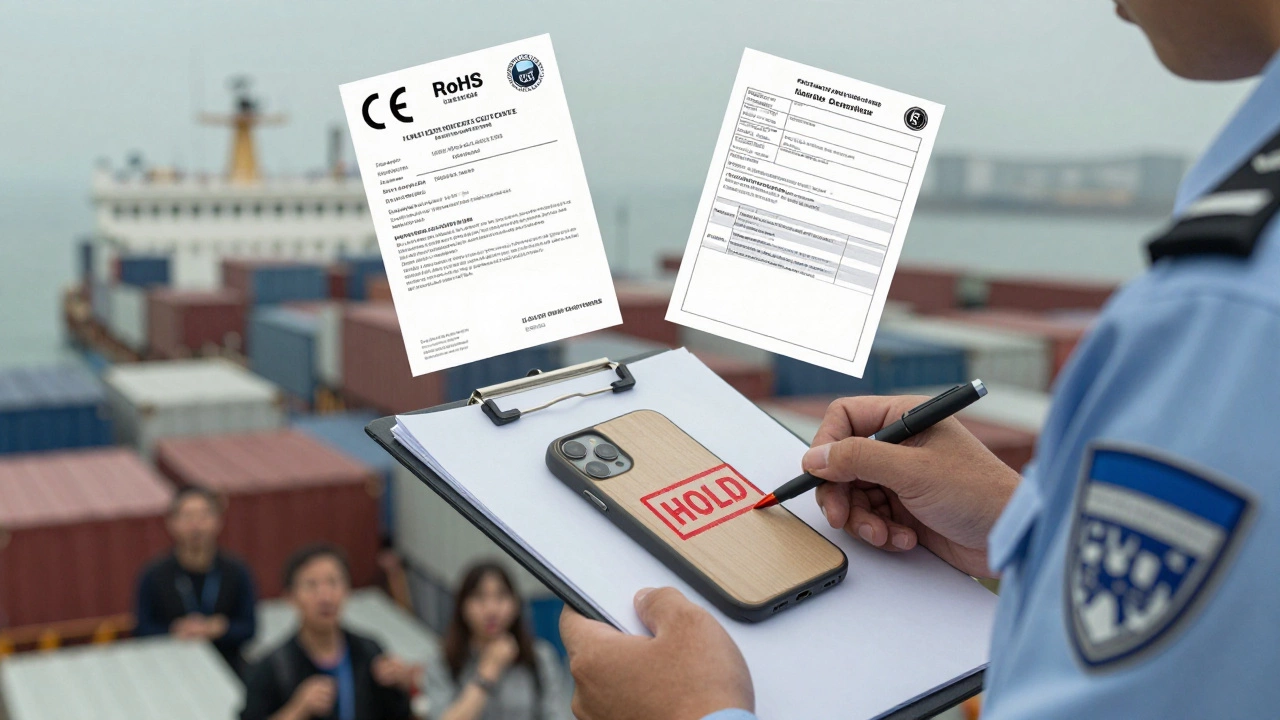
In 2024, the U.S. and EU cracked down on counterfeit goods and undeclared items. Now, every shipment must include an electronic pre-notification to customs authorities before it even leaves the origin country. That means carriers need to invest in software, training, and compliance staff. Those systems cost millions to build and maintain-and you’re paying for it.Even simple items like batteries, cosmetics, or wooden crates now require special permits. A $15 phone case might need a CE marking, a RoHS compliance certificate, and a test report from an accredited lab. If you don’t have those, your package gets held. And if you’re a small business or individual sender? You’re not equipped to handle it. So you pay a freight forwarder to do it for you-and they charge $50 just to file the paperwork.
Return Shipping Is a Nightmare
Ever returned an international purchase? Good luck. Most carriers don’t offer return labels for cross-border shipments. You have to pay to ship it back, then pay again to clear customs on the way home. And if the item was marked as a gift? You might get hit with import taxes again-even though you’re just bringing it back.Some companies offer prepaid return labels, but those are usually only for big e-commerce brands with volume. For everyone else? Returns cost 150-200% more than the original shipping. That’s why so many people just keep unwanted items instead of returning them.
There’s No Competition in the Last Mile
You think the big carriers like DHL and UPS are the only players? Think again. In many countries, the final delivery is handled by local postal services that have monopoly rights. In France, La Poste controls 80% of last-mile delivery. In Japan, Japan Post has exclusive rights for small packages under 4kg.These services aren’t competing on price-they’re mandated by law. That means no innovation, no discounts, no pressure to lower rates. You’re stuck paying whatever they charge, even if it’s double what you’d pay in the U.S. for the same service.
What Can You Actually Do About It?
You can’t stop global trade or remove customs-but you can cut costs:- Use a freight forwarder with consolidated shipping. They bundle small packages into full containers and negotiate better rates.
- Ship in bulk. Sending 10 boxes together costs less per unit than 10 separate shipments.
- Declare accurate values. Under-declaring might save you taxes now, but it’ll cost you more later if your package gets seized.
- Use regional hubs. Shipping to a warehouse in the Netherlands instead of directly to Poland can save 30-40% because of better EU intra-region rates.
- Avoid peak seasons. Shipping in November or December? You’re paying premium rates. Wait until January.
There’s no magic fix. International shipping will always cost more than domestic. But understanding where the money goes helps you make smarter choices-and avoid paying for things you don’t need.
What’s Changing in 2026?
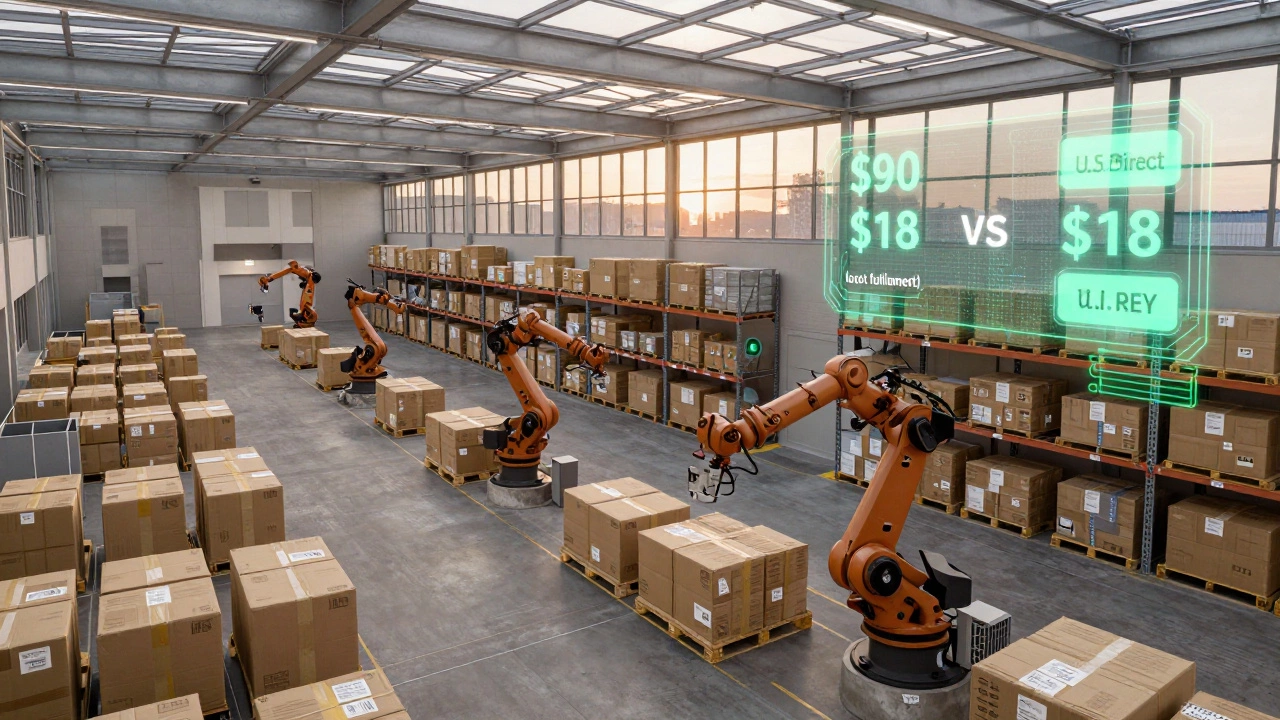
New digital customs platforms like the EU’s Import One Stop Shop (IOSS) and the U.S. CBP’s Automated Commercial Environment are starting to reduce paperwork delays. Some carriers are testing blockchain-based tracking to cut down on lost documents.But the biggest shift? More small businesses are using local fulfillment centers. Instead of shipping from the U.S. to Germany, they store inventory in a warehouse in Poland. Delivery to Berlin drops from 7 days and $90 to 2 days and $18. That’s the future-and it’s already saving thousands of sellers money.
Why is international shipping more expensive than domestic?
International shipping costs more because it involves multiple carriers, customs clearance, currency exchange fees, fuel surcharges, security risks, and lower shipment volumes per route. Each step adds layers of fees that domestic shipping doesn’t have.
Can I avoid customs fees on international packages?
You can’t avoid them entirely, but you can reduce them. Ship items under the duty-free threshold for the destination country (often $150-$200). Declare them accurately as gifts with low value. Avoid restricted or high-tax items like electronics, alcohol, or cosmetics. Some countries offer tax exemptions for personal use items under certain conditions.
Do all carriers charge the same for international shipping?
No. Major carriers like DHL, FedEx, and UPS charge more because they handle the entire process end-to-end. Freight forwarders and regional postal services often offer lower rates by consolidating shipments or using local partners. For non-urgent packages, using a postal service like USPS or Canada Post with international partners can cut costs by 40-60%.
Why does my package get stuck in customs?
Packages get held for incomplete paperwork, incorrect value declarations, prohibited items, or missing certifications. Common culprits include batteries, cosmetics, food, and branded goods without proof of authenticity. Even a typo in the recipient’s address can trigger a manual review. Always double-check your customs form against the destination country’s rules.
Is there a way to ship internationally for less than $50?
Yes, but only under specific conditions. If your package is under 2 lbs, non-urgent, and going to a country with low postal rates (like Poland, Mexico, or Thailand), you can use services like USPS First Class Package International or Canada Post Small Packet. These often cost $15-$40. Just know they take 2-6 weeks and offer no tracking beyond the origin country.