E-Commerce Shipping Cost Calculator
Calculate Your Shipping Costs
Estimate shipping costs for your products before listing them online
Ever wonder how that tiny online store you stumbled on last week shipped your order across the country in two days? Or how someone turned a hobby into a full-time income just by selling stuff online? That’s e-commerce - and it’s simpler than you think.
E-commerce, short for electronic commerce, is just buying and selling stuff over the internet. It’s not just Amazon or eBay. It’s your neighbor selling handmade candles on Instagram. It’s a farmer in Wales listing organic eggs on a local website. It’s a teen in Bristol printing custom T-shirts and shipping them to friends in Spain. If money changes hands online, it’s e-commerce.
How E-Commerce Actually Works (No Jargon)
Let’s break it down like you’re setting up a lemonade stand - but online.
- You make or find something people want - say, vegan leather tote bags.
- You set up a simple website or use a marketplace like Etsy or Shopify.
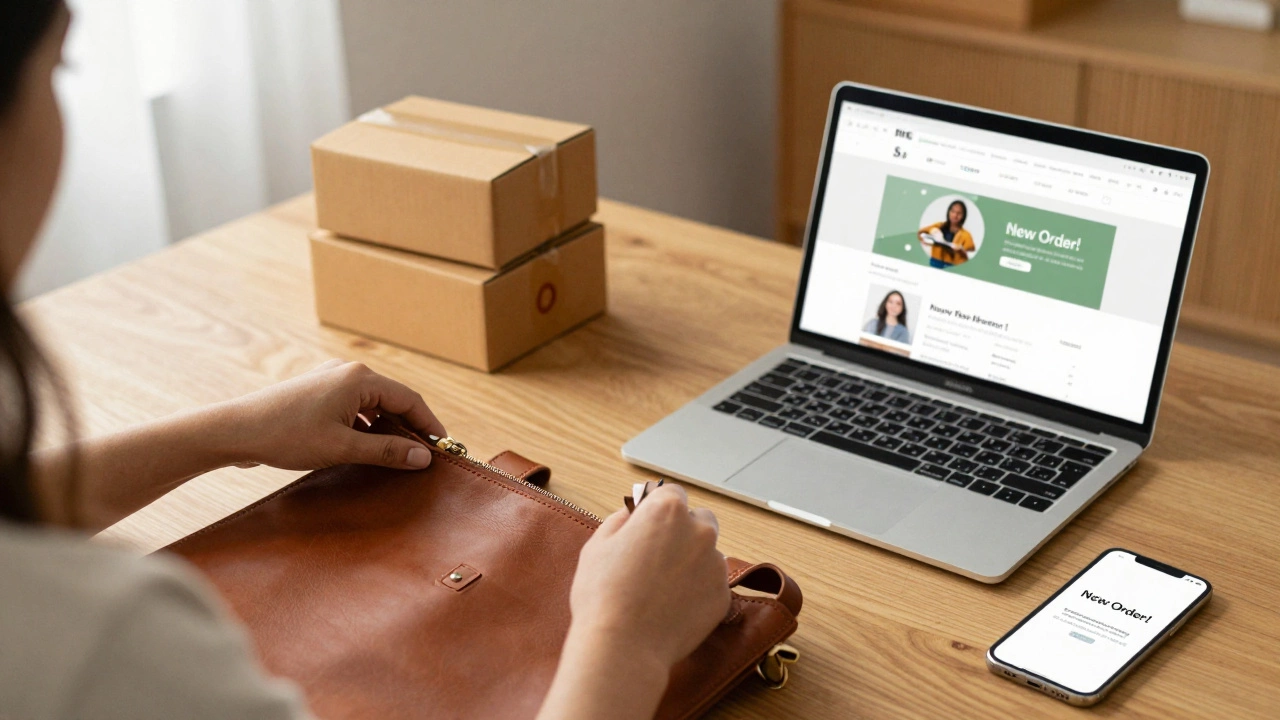
- You take orders - customers click, pay, and wait.
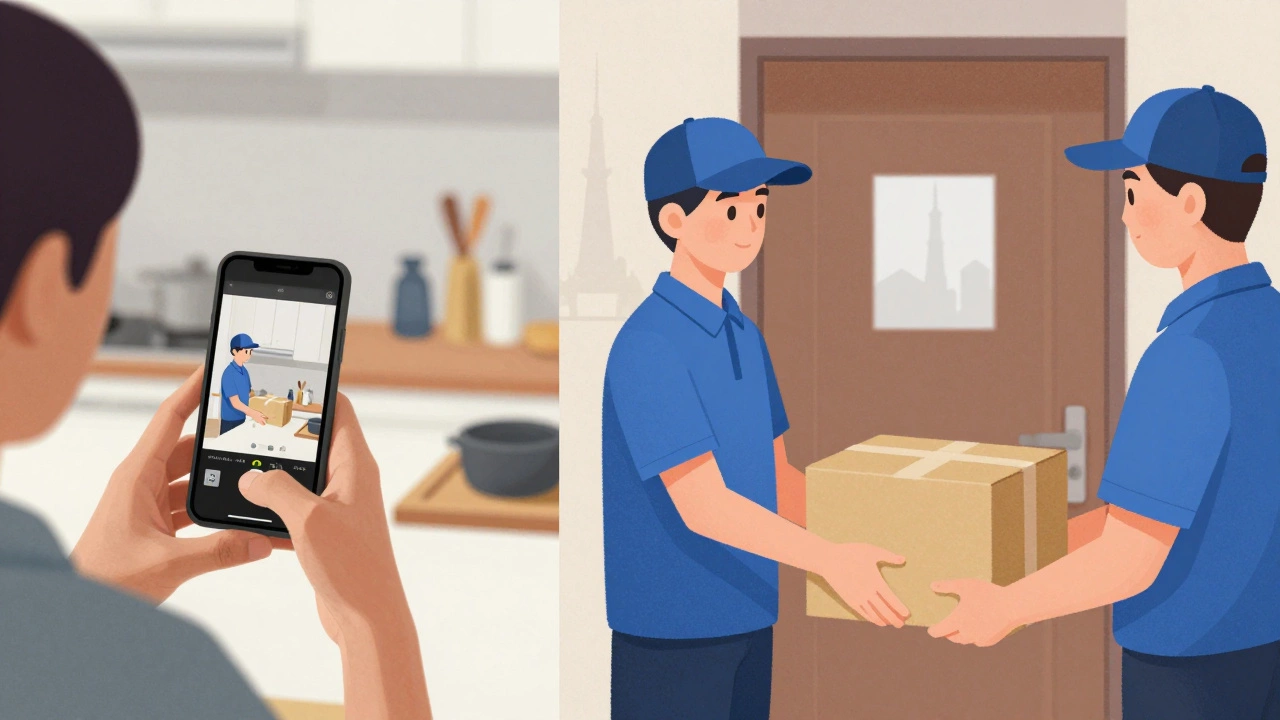
- You pack the bag and hand it to a courier.
- The courier delivers it. You get paid.
That’s it. No fancy degrees. No warehouse full of robots. Just a product, a way to sell it, and a way to get it to the buyer.
Why E-Commerce Is Different From Regular Stores
Traditional shops need a physical space, staff, opening hours, and a lot of upfront cash. E-commerce? You can start with just a phone and a laptop.
Think of it this way: a brick-and-mortar store in Bristol costs £1,500 a month in rent. An online store? You can launch for under £20 a month using tools like Shopify or WooCommerce. You don’t need to be open 9-to-5. Customers shop while they’re in bed, on the bus, or waiting for their coffee.
And here’s the kicker - you can sell to anyone, anywhere. A customer in Tokyo can buy your product just as easily as someone in Bristol. That’s the power of the internet.
The Hidden Engine: E-Commerce Logistics
Here’s where most beginners get stuck - and why this matters.
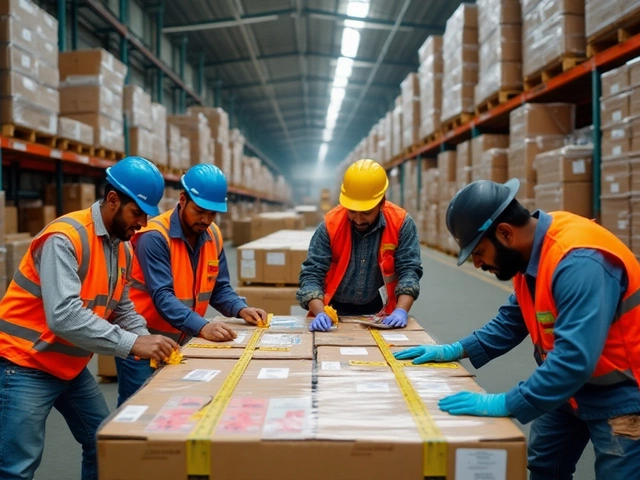
Selling online isn’t just about making a pretty website. It’s about getting the product from your home to the customer’s door. That’s e-commerce logistics. It’s the behind-the-scenes stuff: packing, labeling, shipping, tracking, returns.
Imagine you sell 50 tote bags a week. If you pack each one by hand, drop them off at the post office, and print labels yourself, you’ll spend 10 hours a week just on shipping. That’s not time you can spend making more bags or marketing.
That’s why smart beginners use services like:
- Shopify Shipping - it automatically compares prices from Royal Mail, DPD, and UPS and picks the cheapest.
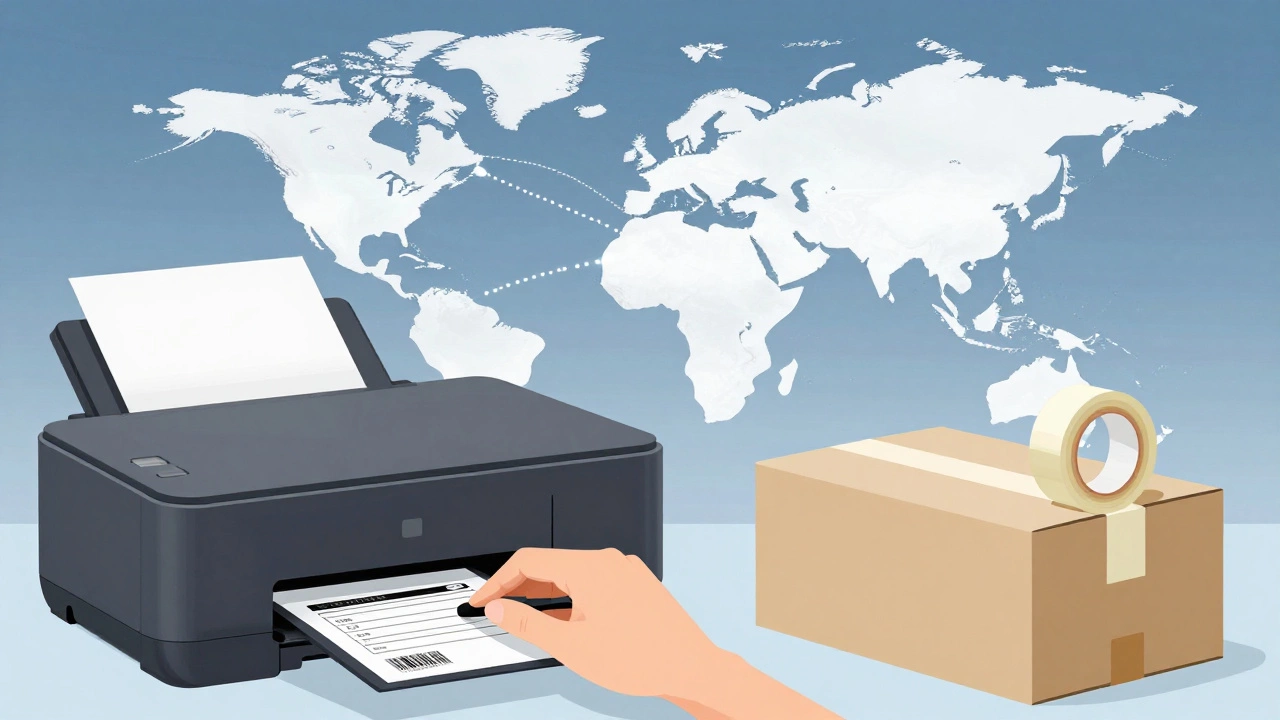
- Parcel2Go - you print labels at home, drop boxes at a local drop-off point, and get tracking automatically.
- Amazon FBA - you send bulk stock to Amazon, and they handle packing, shipping, and returns for you.
Logistics isn’t glamorous. But it’s the difference between a business that grows and one that burns out.
Where to Start: 3 Realistic Paths for Beginners
You don’t need to build a website from scratch. Here are three ways to start - ranked by how easy they are.
- Sell on marketplaces - Etsy, Amazon, eBay. You get instant traffic. No website needed. Etsy is great for handmade goods. Amazon works for anything mass-produced. eBay is good for secondhand or niche items. Fees are 5-15% per sale, but you’re out of the gate in a day.
- Use a simple online store builder - Shopify, Wix, or BigCommerce. You pick a template, add products, connect a payment system like Stripe or PayPal, and you’re live in 24 hours. You own your brand. You control pricing. You pay £29/month (Shopify Basic) but keep more profit.
- Sell through social media - Instagram, TikTok, Facebook. Post photos, take DMs, collect payments via PayPal or bank transfer. No website? No problem. This works best if you already have followers or can make viral content.
Most beginners start with option one. It’s low risk. You test the waters before spending money on your own site.
What You Need to Get Started (The Real Checklist)
Forget expensive tools. Here’s what you actually need:
- A product (something you can photograph and describe clearly).
- A payment method (PayPal or Stripe - both free to set up).
- A way to ship (Royal Mail, DPD, or a local courier service).
- A phone or laptop.
- 5 hours a week to start.
You don’t need a logo. You don’t need a brand story. You don’t need a marketing team. Just a product people want and a way to get it to them.
Common Mistakes New Sellers Make
Here’s what goes wrong - and how to avoid it.
- Overcomplicating the website - Don’t spend weeks designing a perfect homepage. Launch with 3 products. Fix it later.
- Ignoring shipping costs - If you charge £5 for shipping but it costs £8 to send, you lose money on every order. Always calculate real shipping costs before pricing.
- Not tracking returns - Returns are normal. 10-15% of online orders get returned. Have a clear policy. Don’t make customers call you.
- Thinking it’s passive income - E-commerce isn’t ‘set and forget’. You’ll spend time answering messages, packing boxes, and fixing mistakes. It’s work. But it’s work you control.
What’s Next? Scaling Without Burning Out
Once you’re selling 20-30 orders a week, things change.
You’ll need to:
- Automate labels with software like Shippo or Easyship.
- Use a fulfillment center if you’re shipping more than 100 packages a month.
- Start tracking metrics: conversion rate, average order value, customer acquisition cost.
But don’t rush. Most successful sellers started with one product, one platform, and one shipping method. They grew slowly. They learned from mistakes. They didn’t try to be Amazon on day one.
Final Thought: You Don’t Need to Be an Expert
E-commerce isn’t about being the smartest person in the room. It’s about being consistent. It’s about showing up. It’s about sending out that first package with a little note inside: "Thanks for your order. We really appreciate you."
That’s how real businesses are built - one order at a time.