E-Commerce Price Savings Calculator
Calculate how much you could save by shopping online versus in-store. Based on UK Office for National Statistics data showing online prices average 18% lower than physical stores.
Based on average online savings of 18% (UK ONS, 2024)
Shipping included in calculation
When you buy something online and it shows up at your door the next day, it’s easy to take it for granted. But behind that simple act is a system that’s changed how we live, work, and spend money. E-commerce isn’t just about replacing stores with websites-it’s about rebuilding the entire experience of buying and selling from the ground up. And the advantages? They’re not just nice to have. For businesses and customers alike, they’re game-changers.
24/7 Shopping Without the Crowds
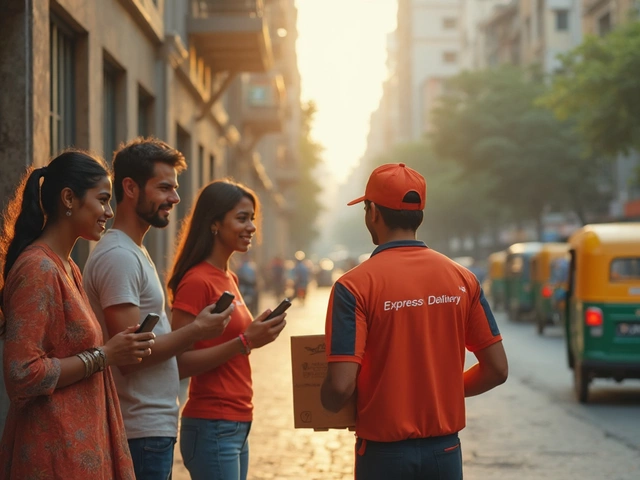
Think about the last time you needed to buy batteries, socks, or a replacement phone charger. Did you wait until Monday morning to hit the store? Or did you just open your phone at 11 p.m. and get it delivered by noon the next day? That’s the power of e-commerce. Stores don’t close. There are no rush hours. No parking tickets. No lines at the checkout. You can browse, compare prices, read reviews, and buy whenever it fits your life.This isn’t just convenient-it’s transformative. A single mom in Bristol working two jobs can shop for groceries after her kids are asleep. A student in Cardiff can order textbooks during a late-night study session. A retiree in Cornwall with mobility issues no longer has to rely on others to run errands. E-commerce removes physical barriers that traditional retail never could.
Bigger Selection, Smaller Costs
A local shop might carry 500 different products. An online store can carry 500,000. That’s not marketing hype-it’s reality. On Amazon, eBay, or even niche platforms like Notino or Zalando, you’re not limited by shelf space or geography. You can find handcrafted candles from Lithuania, vegan leather boots from Portugal, or rare vinyl records from Tokyo-all in one place.And because online sellers don’t need to pay for prime high-street rent, staff a large storefront, or keep lights on 16 hours a day, they can pass savings on. A 2024 study by the UK Office for National Statistics found that prices for electronics, clothing, and home goods were on average 18% lower online than in physical stores. That’s not just a discount. That’s real money back in people’s pockets.
Personalization That Actually Works
Remember when you’d walk into a store and get the same generic sales pitch no matter what you were looking for? Online shopping doesn’t work like that. Algorithms track what you’ve bought, clicked on, or even just hovered over. They learn your size, your style, your budget. Then they show you things you didn’t even know you wanted.Spotify does this with music. Netflix does it with shows. But so do fashion retailers like ASOS and Boohoo. If you bought a pair of black ankle boots last month, you’ll see three new styles in your feed this week. If you’ve been searching for eco-friendly cleaning products, you’ll get recommendations from brands you’ve never heard of-but that match your values. It’s not creepy. It’s helpful. And it saves time.
Lower Barriers to Starting a Business
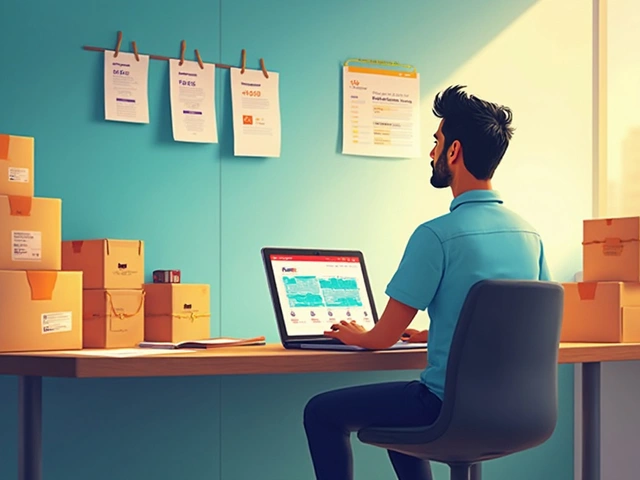
You don’t need a storefront. You don’t need a loan for inventory upfront. You don’t even need a warehouse. With platforms like Shopify, Etsy, or Amazon Handmade, someone with a sewing machine, a camera, and a laptop can start selling handmade soap or custom jewelry to customers in Germany, Canada, or Australia-all from their kitchen table.In 2025, over 4.2 million small businesses in the UK were operating primarily online. That’s up from 2.1 million in 2019. Why? Because the cost to launch is under £500 for most people. Hosting, payment processing, and even basic logistics can be handled by third-party services. You focus on making the product. Someone else handles the shipping, returns, and customer service. That’s the magic of modern e-commerce logistics.
Global Reach Without the Heavy Lifting
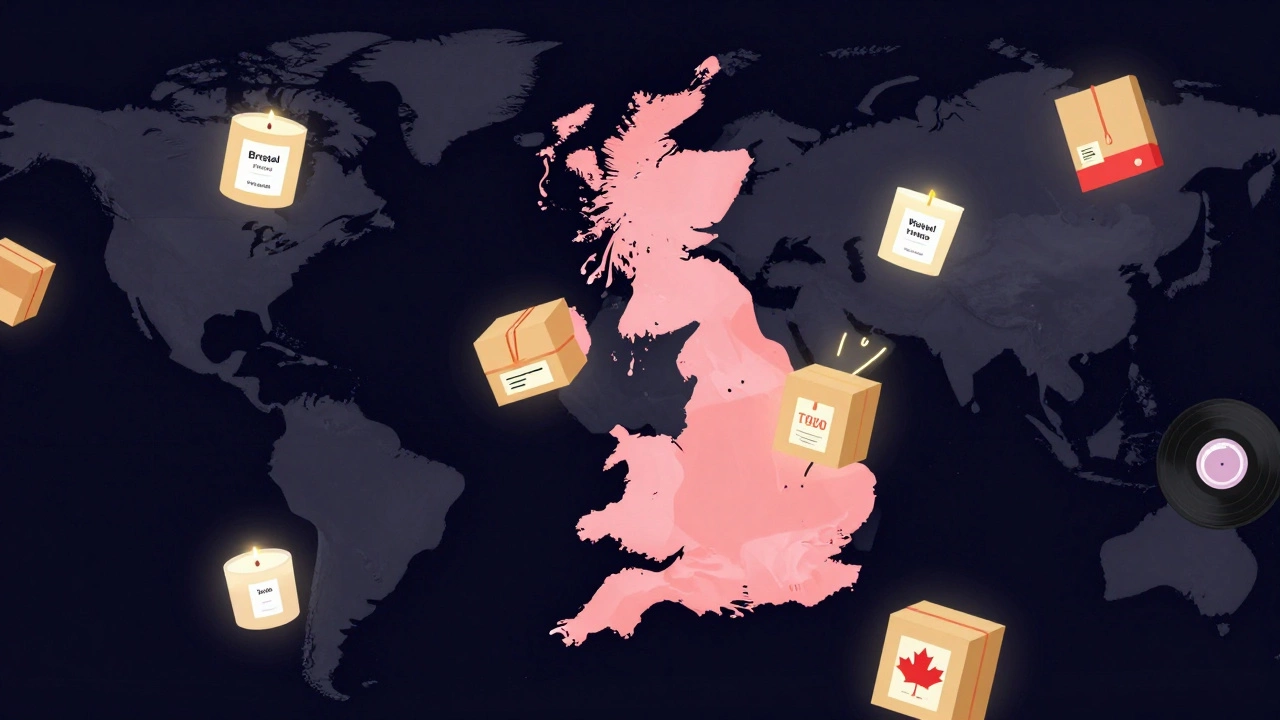
Before the internet, selling internationally meant dealing with customs brokers, foreign bank accounts, and shipping containers. Now? A small business in Bristol can ship a single pair of handmade earrings to a customer in Sydney using a £3.50 tracked label from Royal Mail’s international service. Platforms like Shopify integrate directly with couriers like DHL, FedEx, and ParcelForce. They auto-calculate duties, print labels, and even provide tracking updates in the buyer’s local language.This isn’t just for big brands anymore. A pottery artist in Cornwall sold 127 pieces to buyers in 19 countries last year. A microbrewery in Leeds now ships its IPA to fans in Japan. The world is smaller than ever-and e-commerce is the reason.
Faster, Smarter Logistics
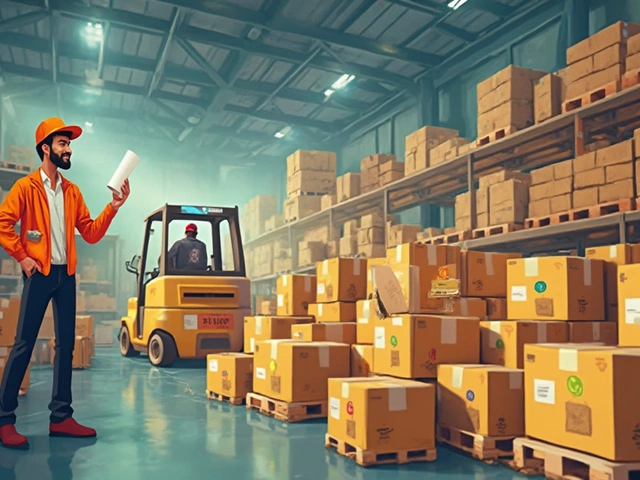
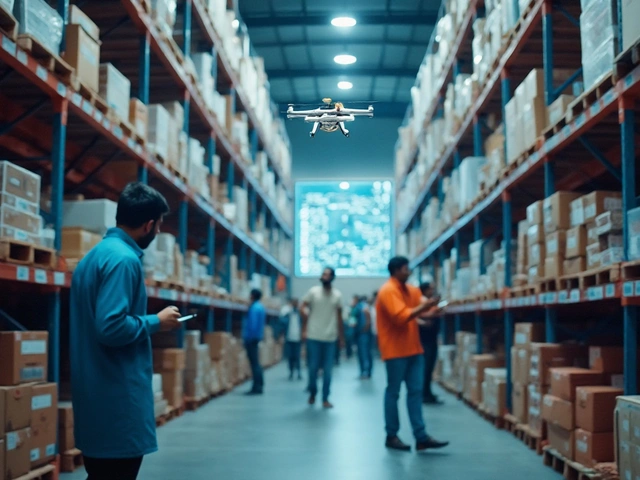
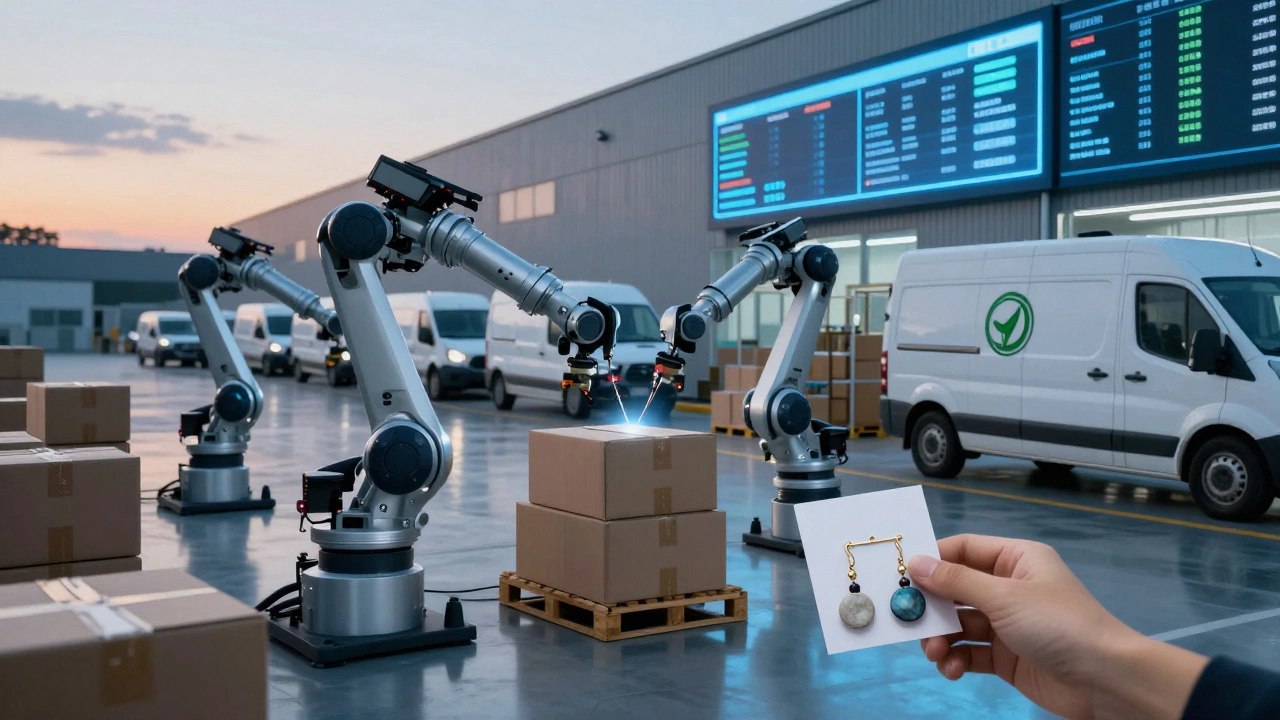
One of the biggest myths about e-commerce is that it’s slow and wasteful. But the truth? Logistics has become one of the most innovative industries in the last decade.Today, over 70% of UK online orders arrive within 48 hours. Same-day delivery is now common in cities like London, Manchester, and Bristol. Automated warehouses use robots to pick items in seconds. AI predicts demand so stores don’t overstock. Carbon-neutral delivery options are standard, not optional. Even returns are easier-drop them off at a local Parcel Shop, print a label from your phone, and get a refund in 48 hours.
For the customer? That means reliability. For the business? That means lower overhead and fewer lost sales. For the planet? That means smarter routing, fewer empty vans, and more reusable packaging.
Real-Time Data That Actually Helps
In a physical store, you might guess what’s selling well. Online? You know. Exactly. You see which products are viewed most. Which ones get added to carts but never bought. Which ones get returned-and why. You know the exact time of day customers shop. You know which ads lead to sales and which ones are just noise.This isn’t just analytics. It’s decision-making. A small business in Sheffield used this data to stop selling a line of winter scarves that kept getting returned because the sizing was off. They redesigned them based on customer feedback, relaunched, and saw a 63% increase in repeat buyers. That kind of insight is impossible in a brick-and-mortar store.
More Sustainable Choices
It’s easy to think online shopping is bad for the environment. But the data tells a different story. A 2023 study by the University of Warwick found that online shopping produces 30% fewer carbon emissions per item than driving to a store and buying the same thing. Why? Because delivery trucks can serve 150 homes in one route. Cars? One person, one item, one trip.Plus, most online retailers now offer carbon-offset shipping, reusable packaging, and consolidated returns. Some even let you choose a slower delivery option to reduce emissions. You’re not just buying a product-you’re choosing how it gets to you. And that power matters.
What E-Commerce Doesn’t Fix
Let’s be honest: e-commerce isn’t perfect. You can’t try on clothes. You can’t smell the perfume. Sometimes you get the wrong size. Returns can be a hassle. And not everyone has reliable internet.But these aren’t flaws in the model-they’re challenges we’re still solving. Augmented reality try-ons are improving. AI-powered sizing tools are getting smarter. Local pickup points are popping up in post offices and convenience stores. The system is evolving. And the advantages? They’re growing faster than the problems.
Why This Matters Now
By 2026, over 90% of UK adults will shop online at least once a month. That’s not a trend. That’s the new normal. The businesses that thrive won’t be the ones with the fanciest windows. They’ll be the ones who understand how to use e-commerce-not just to sell, but to connect, adapt, and serve.For shoppers, it means more choice, better prices, and more control. For sellers, it means access to a global market without the overhead. For logistics, it means innovation that’s faster, cleaner, and smarter than ever before.
This isn’t about replacing the high street. It’s about expanding what’s possible.
What are the biggest advantages of e-commerce for small businesses?
The biggest advantages are low startup costs, access to global customers, no need for physical retail space, and real-time data that helps you improve products and marketing. You can launch with under £500 and scale as you grow-without taking on huge debt or renting expensive space.
Is online shopping really cheaper than in-store shopping?
Yes, on average. The UK Office for National Statistics found that electronics, clothing, and home goods cost 15-18% less online than in physical stores. That’s because online sellers save on rent, staffing, and utilities. They pass those savings to you. Plus, price comparison tools make it easy to find the best deal.
How does e-commerce affect delivery and logistics?
E-commerce has driven massive innovation in logistics. Automated warehouses, AI-driven route planning, same-day delivery networks, and carbon-neutral shipping options are now standard. Logistics companies now handle millions of small packages daily with precision-something that was impossible 15 years ago. This efficiency is what makes fast, affordable delivery possible.
Can e-commerce be environmentally friendly?
Absolutely. A 2023 University of Warwick study showed online shopping produces 30% fewer emissions per item than driving to a store. Delivery vans serving 150 homes in one trip are far more efficient than individual car trips. Many retailers now use recyclable packaging, offer carbon-offset shipping, and let you choose slower, greener delivery options.
What are the downsides of e-commerce?
You can’t try on clothes or test products before buying. Returns can be inconvenient. Not everyone has reliable internet or digital skills. And some people miss the social experience of shopping in person. But these issues are being solved with AR try-ons, local pickup points, and better return systems.