Logistics Career Explorer
Explore the diverse ecosystem of logistics professionals. Filter by department or experience level to find your fit.
Key Skills Insight
Select a role or adjust filters to see specific skill recommendations.
You probably see the delivery driver dropping off your parcel. You might even know the person who packed it. But do you know the dozens of other people making sure that box arrives on time, intact, and at the right price? Logistics is the detailed coordination of a complex operation involving many people, facilities, or supplies. It’s not just about moving things from A to B. It’s a massive ecosystem of planners, tech wizards, drivers, and analysts.
If you’re thinking about a career change, hiring for a new role, or just curious about who keeps the global economy spinning, this guide breaks down exactly who works in logistics. We’ll look at the specific job titles, the skills they need, and how these roles connect to keep goods flowing. No fluff, just the real picture of the industry workforce.
The Front Line: Warehouse and Fulfillment Teams
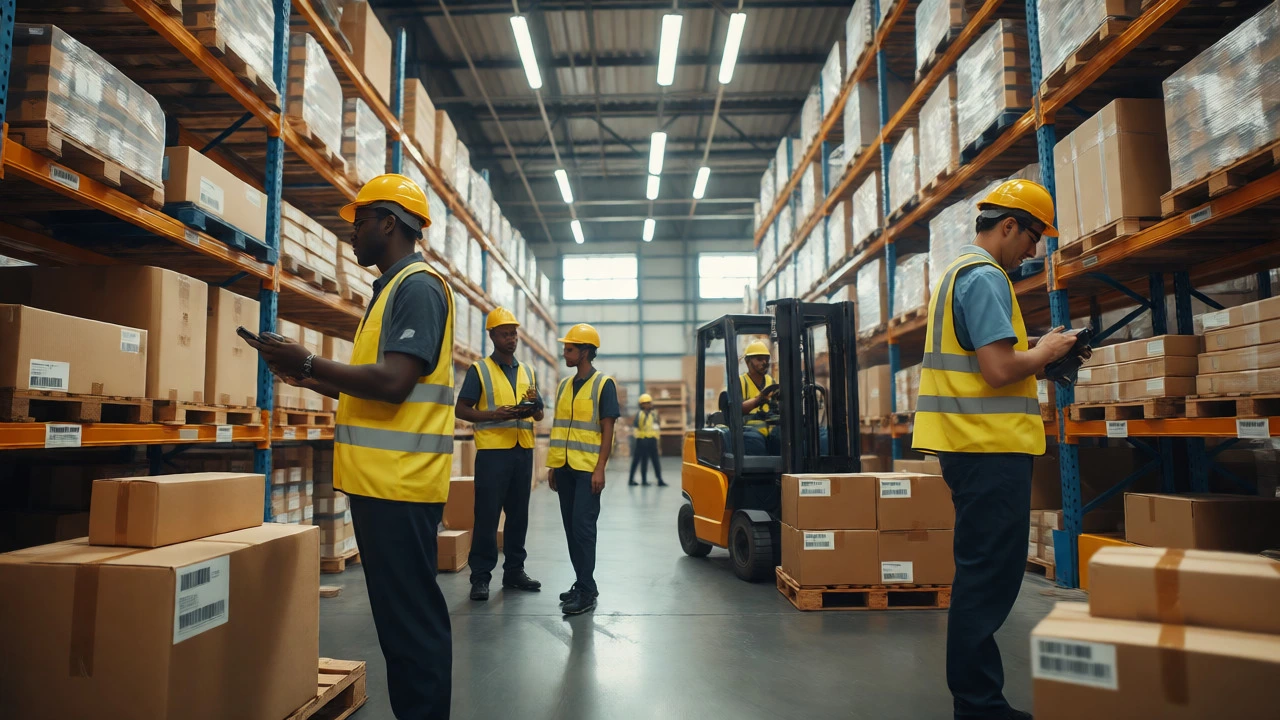
Start where the product physically lives. The Warehouse Operative is often the entry point into the industry. These folks don’t just stack boxes; they manage inventory accuracy using handheld scanners and warehouse management systems (WMS). In a modern facility, a picker might walk 15,000 steps a day locating SKUs based on algorithmic picking paths designed to minimize travel time.
Above them sits the Warehouse Supervisor. This role bridges the gap between floor staff and upper management. They handle shift scheduling, safety compliance, and performance metrics. If a shipment is late, the supervisor is usually the first one to get the call. They need strong leadership skills and the ability to make quick decisions under pressure.
- Forklift Driver: Requires certification (like RTITB or NPORS in the UK) to operate heavy machinery safely.
- Inventory Control Specialist: Focuses on stock counts, discrepancy resolution, and cycle counting.
- Packaging Technician: Ensures products are protected during transit, balancing cost with safety.
The Planners: Supply Chain Analysts and Coordinators
While warehouse teams handle the physical goods, planners handle the data. A Supply Chain Analyst uses software to predict demand, optimize routes, and reduce costs. They spend their days in Excel, SQL, or specialized tools like SAP or Oracle. Their goal? To ensure the right amount of stock is available without tying up too much capital in inventory.
Then there’s the Transport Planner. This person looks at daily orders and figures out which truck takes which load. It’s a puzzle game with high stakes. If they plan poorly, trucks drive empty (deadhead miles), burning fuel and money. Good planners save companies thousands by maximizing load capacity and choosing efficient routes.
These roles require a different skill set than the warehouse floor. You need analytical thinking, attention to detail, and comfort with numbers. Many planners start as coordinators, learning the ropes by tracking shipments and communicating with carriers before moving into strategic planning roles.
The Movers: Drivers and Freight Specialists
We all know the HGV Driver (Heavy Goods Vehicle). In the UK, this requires a Category C+E license. But driving is more than steering. Modern drivers use telematics devices that monitor braking, acceleration, and idle times. Safe, eco-driving can improve fuel efficiency by up to 10%, directly impacting the company’s bottom line.
For international movements, you meet the Freight Forwarder. These professionals act as travel agents for cargo. They don’t own ships or planes; they arrange them. They handle customs clearance, documentation, and insurance. If you’ve ever wondered why shipping a container from Shenzhen to Felixstowe involves so much paperwork, blame the complexity of international trade laws. Freight forwarders navigate this maze so businesses don’t have to.
| Role | Primary Focus | Key Tools | Typical Entry Path |
|---|---|---|---|
| Warehouse Operative | Physical handling & accuracy | Scanners, PPE, Forklifts | No degree required |
| Supply Chain Analyst | Data & optimization | Excel, SQL, ERP Systems | Degree in Business/Maths |
| Freight Forwarder | International movement | CargoWise, Customs Docs | Sales/Logistics background |
| Procurement Manager | Sourcing & negotiation | ERP, Contract Software | Experience + Certifications |

The Buyers: Procurement and Sourcing Professionals
Before goods move, they must be bought. Procurement Managers decide who supplies the raw materials or finished goods. They negotiate contracts, assess supplier risk, and ensure quality standards are met. This role is critical because a bad supplier can halt an entire production line.
Procurement isn’t just about getting the lowest price. It’s about value. A cheaper supplier with poor reliability might cost more in lost sales due to stockouts. Procurement pros use scorecards to rate suppliers on delivery time, quality defects, and responsiveness. They work closely with finance and operations to align purchasing strategies with business goals.
In large manufacturing firms, you’ll also find Category Managers. They specialize in specific types of spend, like IT services or packaging materials. By focusing deeply on one category, they develop expertise that allows them to spot trends and negotiate better deals than generalist buyers could.
The Tech Layer: Logistics IT and Data Scientists
Logistics has gone digital. The Logistics IT Specialist maintains the systems that track every package. They integrate WMS with Transport Management Systems (TMS) and Enterprise Resource Planning (ERP) platforms. When these systems talk to each other seamlessly, visibility improves across the supply chain.
At the advanced end, Data Scientists are entering the field. They build models to predict delivery times, detect fraud in claims processing, or optimize warehouse layouts using simulation software. For example, Amazon uses machine learning to pre-position inventory in local fulfillment centers before customers even place orders. This predictive power reduces last-mile delivery times significantly.
If you enjoy coding but want to solve physical world problems, this intersection of tech and logistics is booming. Python, R, and cloud platforms like AWS are becoming standard tools in the logistics toolkit.

What Skills Do You Actually Need?
People often assume logistics is just about lifting heavy boxes or driving trucks. While those roles exist, the industry demands a wide range of soft and hard skills. Here’s what employers really look for:
- Problem-Solving: Trucks break down. Customs hold shipments. Suppliers go bankrupt. You need to fix issues fast.
- Communication: You’ll deal with angry customers, stressed drivers, and demanding managers. Clear communication prevents errors.
- Tech Savviness: Even warehouse roles now require basic computer literacy. Analysts need advanced Excel and SQL skills.
- Resilience: Deadlines are tight. Pressure is constant. Staying calm under fire is a superpower here.
Do you need a degree? Not always. Many warehouse and transport roles value experience and certifications over university education. However, for analyst, planner, or management roles, a bachelor’s degree in supply chain, business, or engineering is increasingly common. Professional certifications like CIPS (Chartered Institute of Procurement & Supply) or APICS (Association for Supply Chain Management) add significant weight to your CV.
Career Progression and Salary Expectations
One of the best things about logistics is the clear path upward. A warehouse operative can become a team leader, then a supervisor, then a site manager. An analyst can move into senior planning, then head of supply chain, then director level.
Salaries vary by region and role, but generally, entry-level positions in the UK start around £22,000-£25,000. Mid-level roles like planners or supervisors typically earn £30,000-£45,000. Senior roles, such as Head of Logistics or Supply Chain Director, can command £60,000-£90,000+, especially in major hubs like London, Manchester, or Bristol.
Freight forwarding can be lucrative due to commission structures. Top performers in sales-driven forwarding roles often exceed base salary expectations through bonuses tied to profit margins.
Is logistics a good career choice?
Yes, if you enjoy problem-solving and dynamic environments. The industry is growing due to e-commerce expansion and global trade complexities. Job security is relatively high because goods will always need to move. However, it can be high-pressure with irregular hours, especially in peak seasons like Christmas.
Do I need a degree to work in logistics?
Not necessarily. Operational roles like warehouse operatives and drivers require training and licenses rather than degrees. Analytical and management roles often prefer degrees in supply chain, business, or engineering, but relevant experience and professional certifications (like CIPS) can sometimes substitute for formal education.
What is the difference between logistics and supply chain management?
Logistics is a subset of supply chain management. Logistics focuses specifically on the movement and storage of goods (transportation, warehousing, inventory). Supply chain management is broader, encompassing the entire flow of information, finances, and goods from raw material sourcing to final customer delivery, including procurement and production planning.
How much does a freight forwarder earn in the UK?
Entry-level freight forwarders in the UK typically earn between £22,000 and £28,000. With experience, salaries rise to £30,000-£40,000. Senior or managerial roles in large multinationals can reach £50,000+. Sales-oriented roles may offer higher earnings through commissions based on profit share.
What skills are most valued in logistics today?
Data analysis skills are increasingly prized, alongside traditional operational knowledge. Proficiency in Excel, SQL, and familiarity with ERP/WMS software gives candidates an edge. Soft skills like adaptability, clear communication, and resilience under pressure remain critical due to the fast-paced nature of the industry.