Shipping Profit Margin Calculator
Quick Takeaways:
- Speed vs. Cost: Express options are great for customer satisfaction but kill profit margins on low-ticket items.
- Integration: Don't manually type addresses; use software that syncs your store to the courier.
- Coverage: Match your provider to where your customers actually live, not where you hope they are.
- Insurance: Standard liability is rarely enough for high-value goods.
Finding the Right Fit for Your Business Model
Before you sign a contract, you need to be honest about what you're actually shipping. A jewelry maker sending tiny boxes via Royal Mail has a completely different set of needs than a boutique furniture maker moving heavy crates via DPD. If your items are small and lightweight, your primary goal is low cost and ease of drop-off. If you're selling high-ticket items, the best courier service for small business is the one that offers the most robust tracking and a professional delivery experience.
Think about your "unboxing experience." When a customer sees a courier van pull up, is it a brand they trust? For many, a branded van and a precise delivery window (like the one-hour slots offered by some premium carriers) add perceived value to the product itself. If you're selling a luxury experience, a cheap, unreliable service will undermine your brand before the customer even opens the box.
The Heavy Hitters: Comparing Top Providers
Most small businesses end up choosing between a few dominant players. Each has a specific strength. DHL is the undisputed king of international reach. If you're based in the UK but selling to the US or Asia, they handle the customs paperwork better than almost anyone else. However, for domestic, short-hop deliveries, they can be overkill and overpriced.
FedEx and UPS are the workhorses for B2B shipping. If your small business sells to other businesses, these providers are often preferred because they have established protocols for receiving shipments at commercial addresses. They are reliable, though their pricing structures can be a maze of "surcharges"-fuel surcharges, residential delivery fees, and oversized package penalties can sneak up on you.
| Provider | Best For | Primary Strength | Main Weakness |
|---|---|---|---|
| Royal Mail | Lightweight/Low Cost | Ubiquity & Price | Basic Tracking |
| DPD | Customer Experience | Precise Time Slots | Strict Pickup Rules |
| DHL | Global Expansion | International Network | High Domestic Cost |
| UPS | B2B Shipping | Reliability/Infrastructure | Complex Pricing |
The Hidden Power of Shipping Aggregators
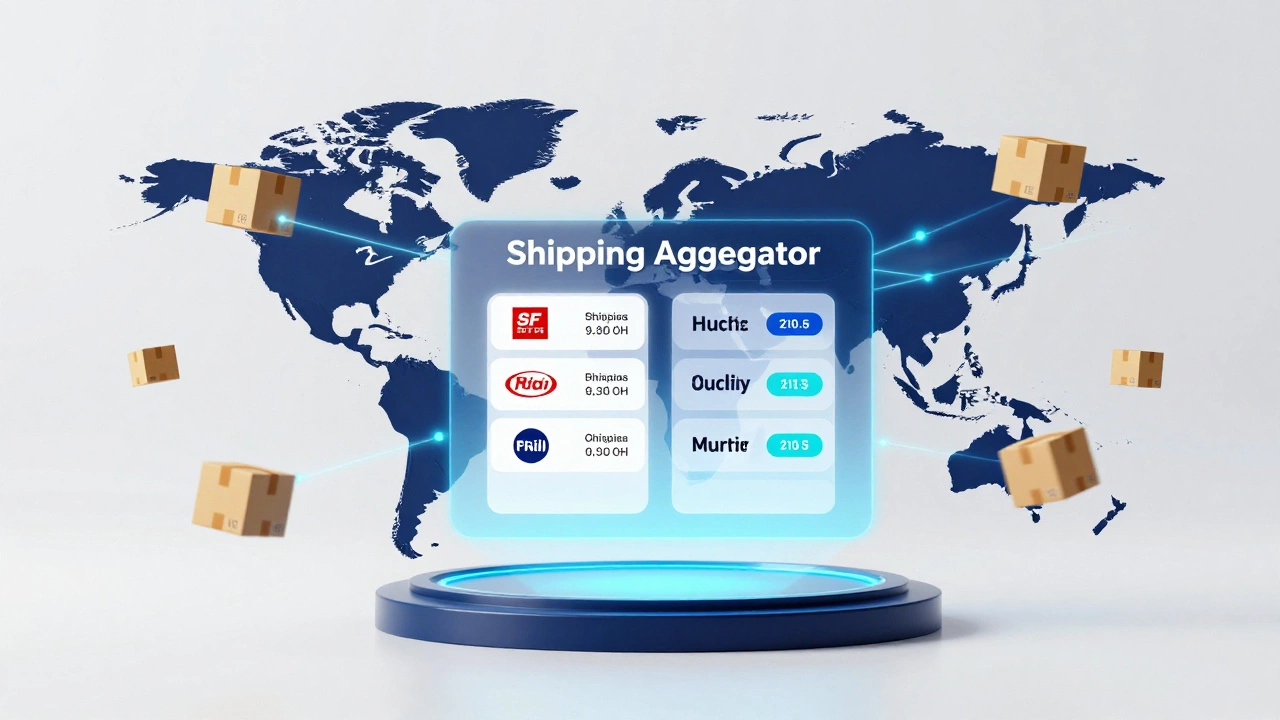
If you aren't shipping hundreds of parcels a week, you probably don't have the leverage to negotiate a deep discount directly with a carrier. This is where Shipping Aggregators (also known as multi-carrier platforms) come in. These tools act as a middleman. They buy shipping capacity in massive bulk and sell it to small businesses at a discounted rate.
Using an aggregator allows you to compare rates in real-time. Instead of wondering if Evri is cheaper than Royal Mail today, the software shows you both side-by-side. More importantly, they integrate with your Shopify or WooCommerce store. When a customer buys an item, the shipping label is generated automatically. This eliminates the "manual entry error" where a typo in a postcode sends a package to the wrong side of the country.
Navigating the Cost Trap: Surcharges and Hidden Fees
The "sticker price" you see on a courier's website is rarely what you actually pay. For a small business, these extras can eat your entire profit. You need to look for "Residential Surcharges." Many couriers charge more to deliver to a house than to a warehouse. If you're selling consumer goods, this fee applies to almost every single order.
Then there is the "Fuel Surcharge." This is a percentage added to the base rate that fluctuates with oil prices. It's usually updated monthly. If you're budgeting your yearly costs, don't just multiply your current shipping cost by your projected volume. Add a 5-10% buffer for these fluctuating fees. Also, be wary of "Out-of-Area" charges. Some providers charge a premium for deliveries to remote highlands or islands, which can be a nasty surprise when you get your first order from a remote village.
Scaling from "Garage" to "Warehouse"
When you're packing boxes on your kitchen table, a simple drop-off point at a local shop is fine. But as you grow, your time becomes more valuable than the cost of a pickup. The moment you find yourself spending two hours a day driving to a drop-off point, it's time to switch to a scheduled courier pickup.
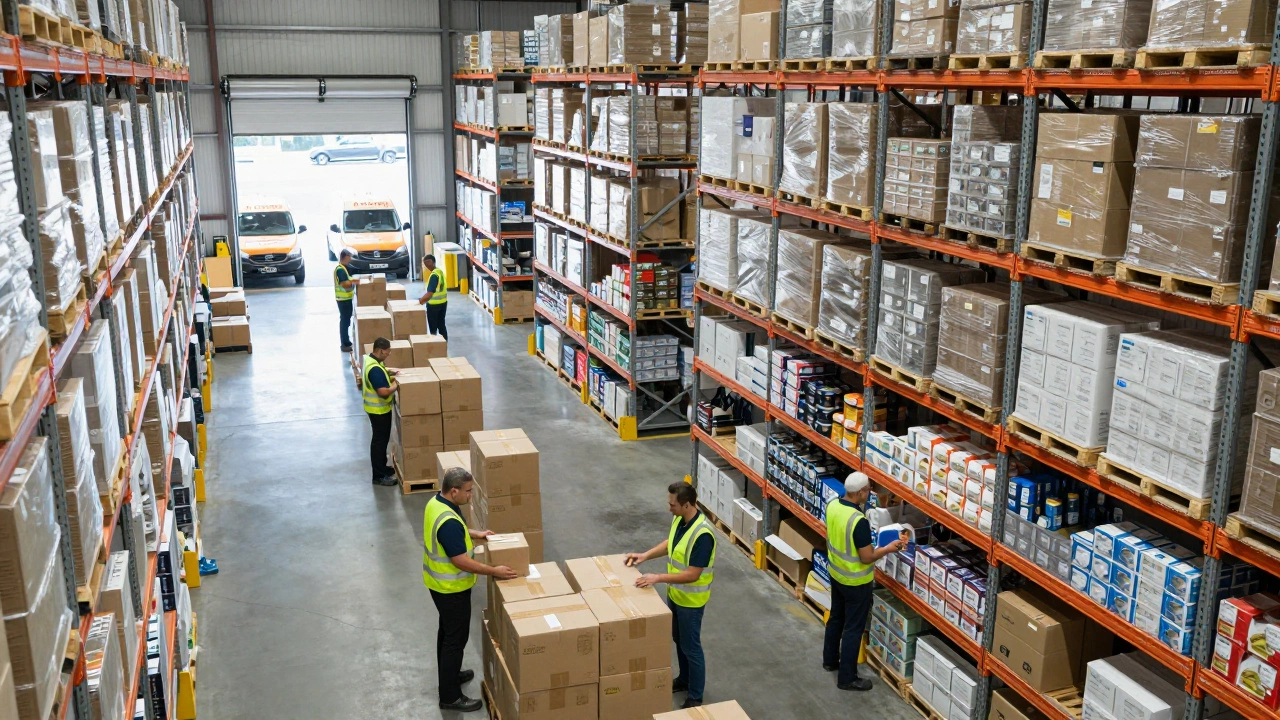
As you move into this phase, look into 3PL (Third Party Logistics). This is the ultimate scaling move. Instead of storing inventory in your spare room and shipping it yourself, you send your stock to a fulfillment center. When an order comes in, the 3PL picks, packs, and ships it. You lose some control over the packaging, but you gain back all your time to focus on marketing and product development.
Avoiding the Most Common Shipping Pitfalls
The biggest mistake small businesses make is offering "Free Shipping" without building it into the product price. Free shipping is a powerful psychological trigger that increases conversion rates, but it's not actually free. If you're charging £20 for a product and shipping costs you £5, you've just lost 25% of your revenue. Instead, try a "Free Shipping over £50" threshold. This encourages customers to add more items to their cart to qualify, increasing your Average Order Value (AOV) and offsetting the shipping cost.
Another pitfall is neglecting insurance. Many business owners think the courier's basic coverage is enough. In reality, standard coverage often only pays out based on the weight of the item, not its value. If you're shipping a high-end electronic device that weighs 500g, the standard payout might be pennies. Always check the "declared value" options for expensive items.
Is it better to use one courier or multiple?
For most small businesses, a multi-carrier approach is best. Relying on a single provider leaves you vulnerable to strikes, technical failures, or sudden price hikes. By using a mix (e.g., Royal Mail for small items and DPD for larger ones), you can choose the most cost-effective option for each specific package and provide customers with more delivery choices.
How do I get better shipping rates as a small business?
The fastest way to get better rates is through a shipping aggregator. These platforms pool the volume of thousands of small businesses to negotiate enterprise-level discounts. If you have significant volume, you can approach couriers directly, but you'll need a clear forecast of your monthly shipment numbers to get a competitive contract.
What is the most reliable courier for fragile items?
Reliability depends more on packaging than the courier, but premium carriers like UPS and DPD generally have lower damage rates than budget "parcel shop" networks. The key is to use double-walled boxes and sufficient void-fill. Regardless of the courier, always insure fragile items for their full replacement value.
Should I offer express delivery options?
Yes, but let the customer pay for it. Offering a "Standard" and an "Express" option allows you to capture both the budget-conscious shopper and the urgent buyer. It also shifts the cost of the faster service away from your profit margins and onto the customer who values the speed.
How does 3PL differ from a standard courier service?
A courier service only handles the movement of the package from point A to point B. A 3PL (Third Party Logistics) provider handles everything: storing your products in their warehouse, picking the items when an order is placed, packing them, and then calling the courier to ship them. It's a full-service outsourcing of your entire logistics chain.
Next Steps for Your Shipping Strategy
If you're just starting out, start with a shipping aggregator. It's the lowest risk and provides the most flexibility. Once you hit a consistent volume of 50-100 shipments per month, review your data to see where most of your customers are located. If you're seeing a spike in international orders, it's time to set up a dedicated account with a global carrier.
Regularly audit your shipping costs every quarter. Couriers change their pricing and surcharge structures frequently. What was the cheapest option in January might be the most expensive by April. Keep a simple spreadsheet of your total shipping spend versus your total revenue to ensure your logistics aren't eating your growth.