Supply Chain Software Selector
Find Your Perfect SCM Solution
Answer a few questions to discover which supply chain management software best fits your business needs.
Recommended Supply Chain Software
Why This Software?
Key Features
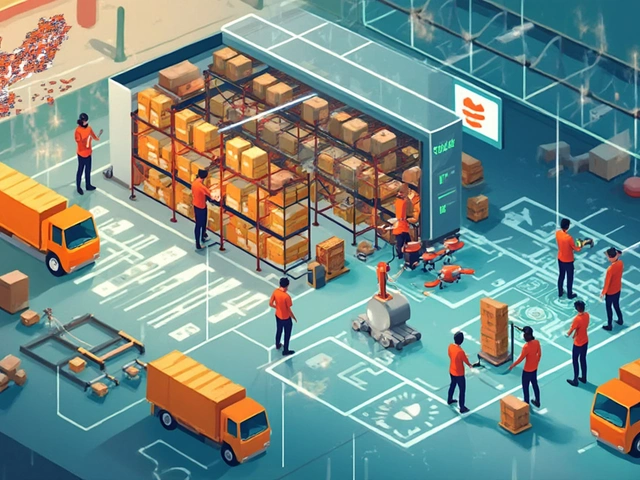
When you order something online and it shows up at your door in two days, you rarely think about the software running behind the scenes. But every step-from the factory floor to your mailbox-is controlled by specialized tools that keep global supply chains moving. If you’re wondering what software is used in supply chain management, the answer isn’t one program. It’s a network of systems working together, each handling a different piece of the puzzle.
What Exactly Is Supply Chain Management Software?
Supply chain management (SCM) software isn’t a single app. It’s a category of tools designed to plan, track, and optimize every stage of getting a product from raw material to the customer. These systems help companies reduce delays, cut costs, and avoid stockouts or overstocking. Think of them as the central nervous system for logistics.
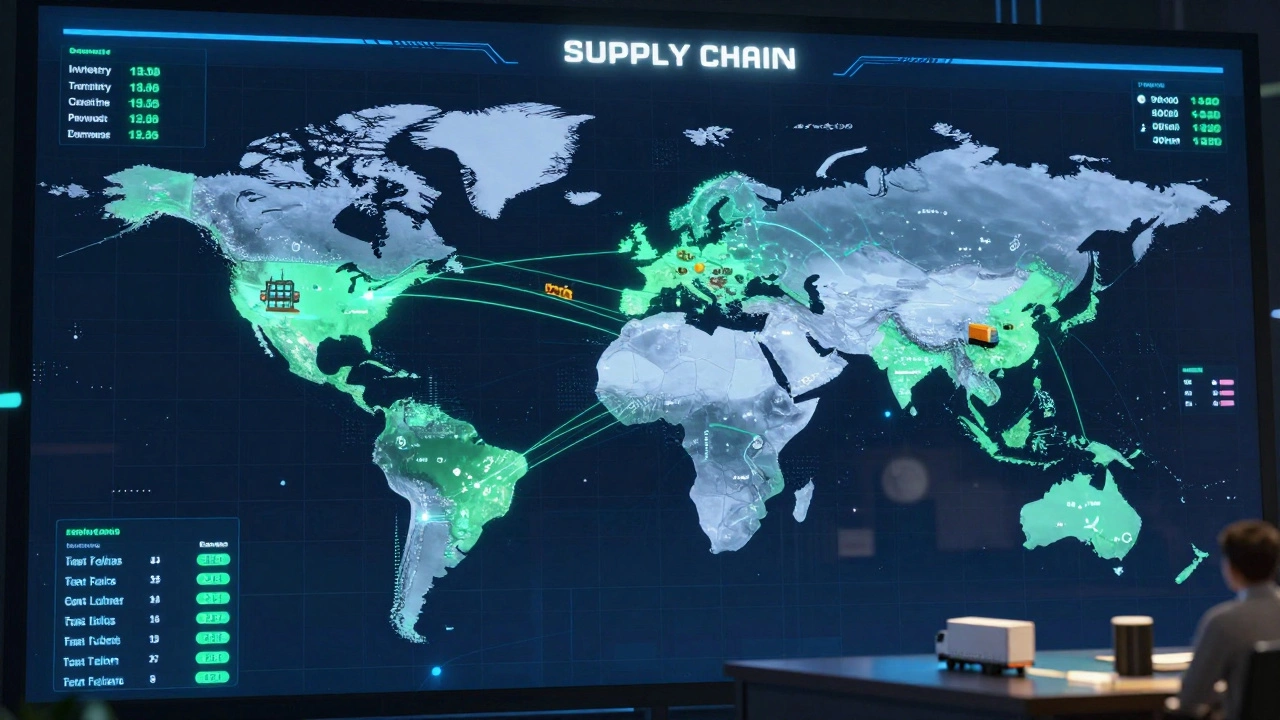
Modern SCM software connects suppliers, manufacturers, warehouses, transporters, and retailers into one digital ecosystem. Without it, businesses would be flying blind-guessing how much inventory to order, wondering where shipments are, or scrambling when a truck breaks down.
Core Types of Supply Chain Software
There are five main types of software that form the backbone of supply chain operations. Each serves a different function, but they’re often integrated into one platform.
- Warehouse Management Systems (WMS) - These track inventory in real time across multiple storage locations. They tell you exactly where each box is, which pallets to pick next, and when to reorder. Companies like Amazon and Walmart use advanced WMS to handle millions of items daily.
- Transportation Management Systems (TMS) - This software plans the most efficient routes, selects carriers, and tracks delivery status. It doesn’t just move goods-it moves them at the lowest cost. A TMS can cut fuel and labor expenses by up to 20% by optimizing load sizes and delivery schedules.
- Inventory Management Systems - These monitor stock levels across all channels: warehouses, retail stores, and third-party fulfillment centers. They use demand forecasting to predict what will sell and when, reducing excess stock and missed sales.
- Supplier Relationship Management (SRM) - This helps companies manage vendor performance, contracts, and communication. It flags delays, tracks quality issues, and even automates purchase orders based on inventory thresholds.
- Order Management Systems (OMS) - When a customer clicks "Buy," this system takes over. It routes the order to the nearest warehouse, checks stock, updates inventory, and sends tracking info. It’s the first domino in the entire chain.
Top Software Platforms in Use Today
Not all SCM software is the same. Some are built for massive global enterprises. Others suit small businesses with simpler needs. Here are the most widely used platforms as of 2026:
| Software | Best For | Key Features | Integration Capabilities |
|---|---|---|---|
| SAP Integrated Business Planning | Large enterprises | AI-driven demand forecasting, global network mapping, real-time risk alerts | ERP, CRM, IoT sensors |
| Oracle SCM Cloud | Manufacturers and distributors | End-to-end visibility, automated replenishment, predictive analytics | NetSuite, Salesforce, Microsoft Dynamics |
| Blue Yonder (formerly JDA) | Retail and consumer goods | Dynamic inventory optimization, last-mile routing, AI-powered replenishment | Shopify, Amazon, Walmart Connect |
| NetSuite ERP | Growing mid-market companies | Unified inventory, order, and financial tracking, cloud-based | UPS, FedEx, QuickBooks |
| Fishbowl | Small to medium warehouses | Simple inventory tracking, barcode scanning, QuickBooks integration | QuickBooks, Shopify, WooCommerce |
Each of these platforms handles different scales and complexities. SAP and Oracle are used by Fortune 500 companies with global operations. Blue Yonder dominates retail logistics. NetSuite and Fishbowl are popular with smaller businesses that need reliability without complexity.
How These Systems Work Together
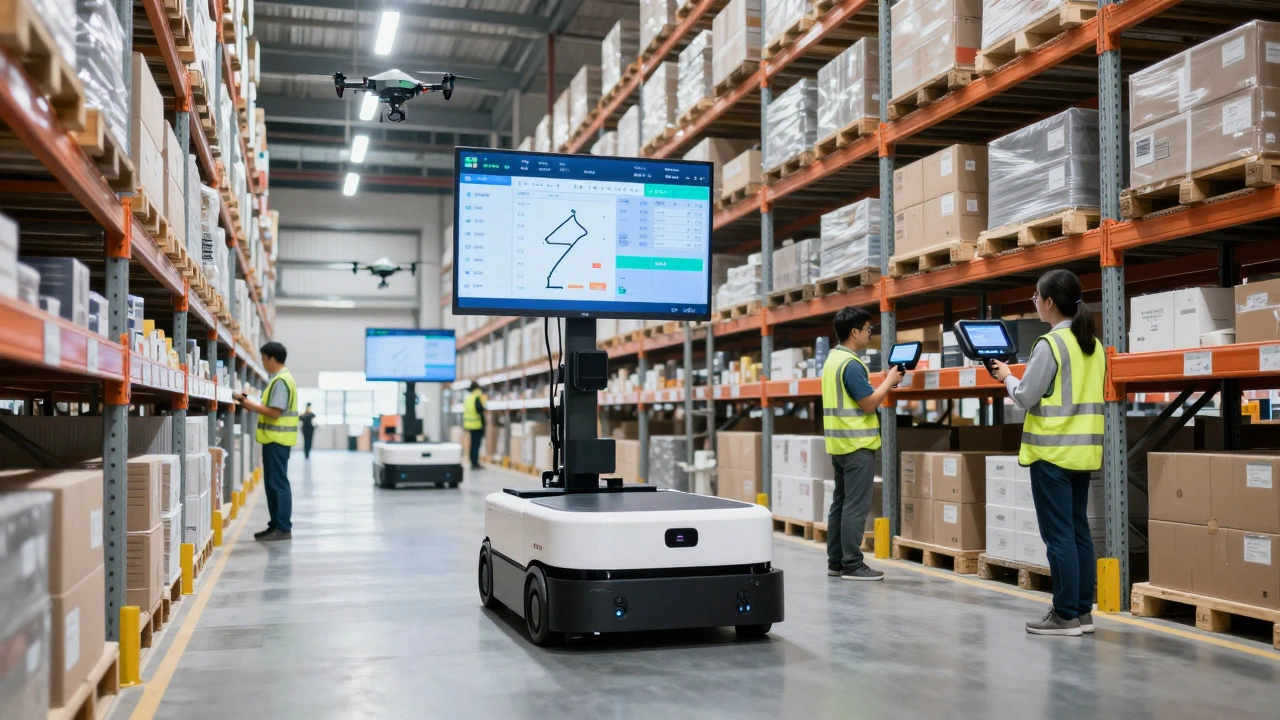
Imagine a smartphone made in China and sold in London. The journey starts with a supplier sending raw materials. The WMS in the factory logs every component. The SRM system checks if the supplier delivered on time and met quality standards. Once assembled, the TMS picks the cheapest ocean freight route. At the UK port, the WMS scans the containers and routes them to a regional warehouse. When a customer orders online, the OMS pulls inventory from the nearest hub and assigns a courier. The entire chain is visible to the company’s planners, who use analytics to spot bottlenecks before they happen.
Modern SCM software doesn’t just record data-it predicts it. Machine learning models analyze past sales, weather patterns, port strikes, and even social media trends to forecast demand. One UK-based electronics distributor cut stockouts by 40% in 2025 by using AI to predict regional spikes based on holiday shopping habits and local events.
What Happens Without Good Software?
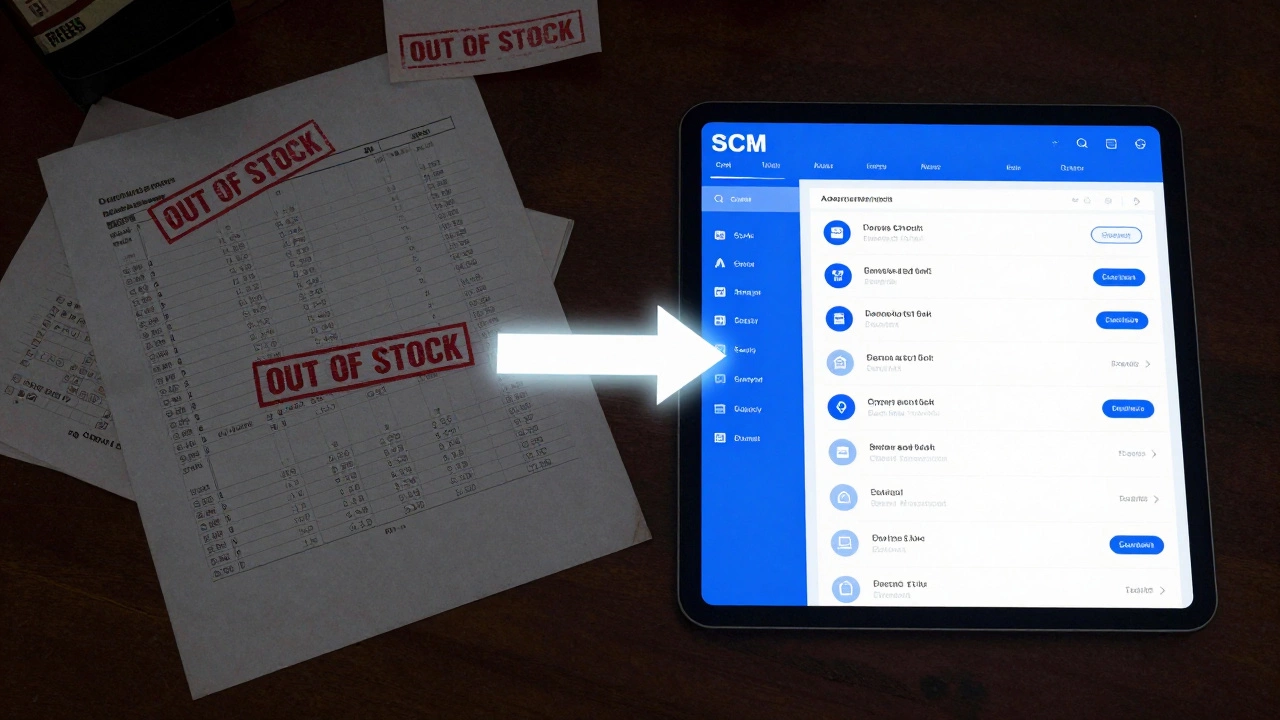
Companies still running on spreadsheets, paper logs, or disconnected systems face real consequences:
- Overstocking leads to wasted space and expired goods-especially in food, fashion, or pharmaceuticals.
- Understocking means lost sales. A 2024 study by the Council of Supply Chain Management Professionals found that 68% of retailers lost customers permanently after just one out-of-stock incident.
- Manual order entry causes errors. One logistics provider in Bristol reported a 17% mistake rate in shipping labels before switching to an automated OMS.
- Delays pile up. Without real-time tracking, customers call constantly. One survey showed that 83% of shoppers expect delivery updates within an hour of order placement.
The cost of poor logistics isn’t just financial. It’s reputational. In 2025, a major UK homeware brand lost 12% of its online sales after customers complained about missing deliveries for three months. They had no system to trace where orders got stuck.
Choosing the Right Software for Your Business
If you’re looking to upgrade your supply chain tools, start here:
- Map your biggest pain points. Is it late deliveries? Excess inventory? Manual data entry?
- Know your scale. A startup with 50 SKUs doesn’t need SAP. A warehouse with 10,000+ daily orders does.
- Check integration. Does it connect with your existing ERP, accounting, or e-commerce platform? If not, you’ll just create another data silo.
- Look for mobile access. Drivers, warehouse staff, and buyers need to update systems on the go.
- Ask about AI. The best systems don’t just report data-they suggest actions. "We recommend ordering 1,200 units of Product X by April 5" is better than a static report.
Don’t rush into the most expensive option. Many businesses waste money on features they’ll never use. Focus on solving your top three problems first.
Future Trends in Supply Chain Software
By 2027, the most advanced supply chains will look very different:
- Autonomous warehouse robots - Drones and automated guided vehicles (AGVs) will handle 30% of picking and packing in major distribution centers.
- Blockchain for traceability - Food and pharma companies are using blockchain to prove product origin and freshness, reducing fraud and recalls.
- Real-time carbon tracking - New software now calculates emissions per shipment. Companies are being pressured by regulators and customers to reduce their footprint.
- Generative AI assistants - Instead of searching dashboards, managers will ask: "Why did our UK delivery costs spike last week?" and get a full breakdown with visuals.
These aren’t sci-fi ideas. They’re already in use by leading logistics firms. The gap between early adopters and everyone else is widening fast.
Final Thoughts
There’s no single "best" software for supply chain management. The right tool depends on your size, industry, and goals. But one thing is clear: if you’re still managing your supply chain with Excel or guesswork, you’re leaving money on the table-and risking your customers’ trust.
The most successful companies don’t just move goods. They predict demand, automate decisions, and turn logistics into a competitive advantage. The software is what makes that possible.
What is the most common software used in supply chain management?
The most common software includes Warehouse Management Systems (WMS), Transportation Management Systems (TMS), and Inventory Management Systems. For larger companies, platforms like SAP, Oracle SCM Cloud, and Blue Yonder are widely used. Smaller businesses often rely on NetSuite or Fishbowl due to their simplicity and integration with tools like QuickBooks.
Can small businesses use supply chain software?
Yes. Tools like Fishbowl, NetSuite, and Zoho Inventory are designed specifically for small to mid-sized businesses. They offer affordable pricing, easy setup, and integrate with popular e-commerce platforms like Shopify and WooCommerce. You don’t need a large team or budget to benefit from automation.
How does supply chain software reduce costs?
It reduces costs by eliminating waste. Automated inventory tracking prevents over-ordering. Route optimization in TMS lowers fuel and labor expenses. Real-time tracking cuts down on lost shipments and customer service calls. One study found companies using integrated SCM software saved an average of 18% on logistics costs within 12 months.
Is cloud-based software better than on-premise?
Cloud-based software is now the standard. It’s easier to update, accessible from anywhere, and scales with your business. On-premise systems require expensive hardware, IT staff, and manual upgrades. Most new SCM tools are cloud-only, and legacy on-premise systems are being phased out.
What should I look for in supply chain software before buying?
Start with integration: Does it connect to your existing tools? Then check ease of use-can your warehouse staff use it without training? Look for mobile access, real-time reporting, and AI-powered suggestions. Avoid platforms that lock you into long contracts or charge extra for basic features like reporting or API access.
For businesses serious about growth, supply chain software isn’t a luxury-it’s the foundation. The ones that get it right don’t just survive disruptions. They thrive because they see farther, move faster, and respond smarter.