Stop Guessing Your Shipping Costs
Ever spent three hours comparing shipping rates only to find out your package is stuck in customs for two weeks? Most people treat international shipping like a lottery-you pick a carrier, pay the fee, and hope it arrives without a massive surprise tax bill. But the truth is, there is no single "best" way to send things across borders. The right choice depends entirely on whether you're sending a single handmade sweater to a friend in Tokyo or moving five tons of auto parts to Germany.
If you're trying to balance speed, cost, and safety, you need to look beyond the brand name on the box. You need to understand how different networks actually move goods and where the hidden traps lie, like volumetric weight and Incoterms.
Quick Summary of Shipping Choices
- Express Couriers: Best for high-value, urgent, or small parcels (1-5 days).
- Postal Services: Cheapest for light, non-urgent items; slowest transit times.
- Freight Forwarders: Necessary for B2B, pallets, or bulk shipments via sea/air.
- E-commerce Aggregators: Ideal for small businesses needing discounted rates.
The Speedsters: Express Courier Services
When people ask which is better, they often mean "who gets it there fastest?" That is where DHL is a global logistics company specializing in fast, reliable international express delivery. Because they own their own planes and customs brokerage systems, they can often bypass the bottlenecks that slow down national post offices.
Other giants like FedEx and UPS operate similarly. These are your go-to options if you're shipping a legal contract, a fragile prototype, or a birthday gift that absolutely cannot be late. You get end-to-end tracking, which means you aren't left wondering if your package vanished in a warehouse in Dubai.
The trade-off? You pay a premium. Not just for the transport, but for the convenience. These carriers also use "volumetric weight." If you ship a large box filled with cotton candy, they won't charge you for the actual weight; they'll charge you for the space it takes up in the plane. This is a common pitfall that can double your expected cost overnight.
The Budget Route: National Postal Services
If you aren't in a rush and the item isn't worth a fortune, your local post office-like Royal Mail in the UK or USPS in the States-is usually the cheapest bet. These services operate through the Universal Postal Union, a global network where one country's post office hands the package to another's.
Here is the catch: once the package leaves your country, the tracking often becomes vague. You might see "Arrived in Destination Country," and then nothing for ten days. You're also more likely to deal with manual customs processing, which can lead to delays. It's a "set it and forget it" method. Use this for low-value items where a two-week delay isn't a catastrophe.
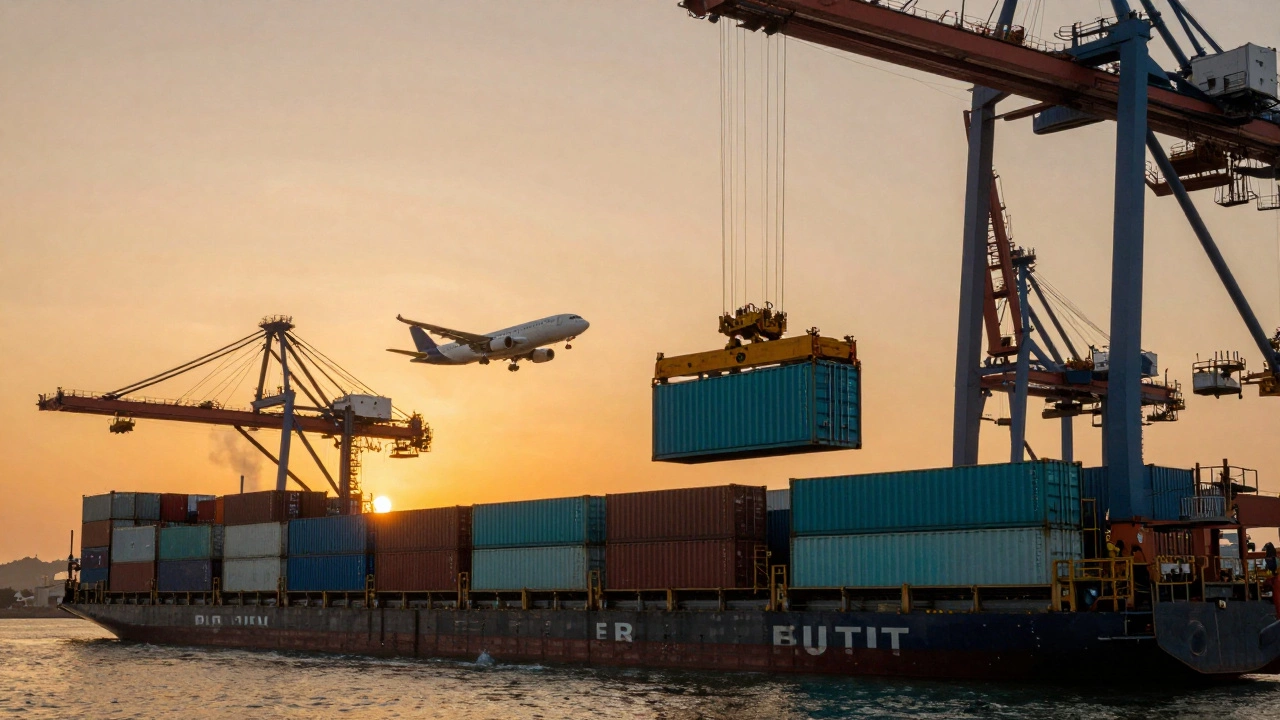
Moving the Big Stuff: Freight Forwarding
What happens when you have more than a few boxes? You can't exactly put a pallet of ceramic tiles through a courier's conveyor belt. This is where Freight Forwarding comes in. A freight forwarder doesn't necessarily own the ships or planes; instead, they act as a travel agent for your cargo.
They handle the complex paperwork, negotiate rates with carriers, and organize the movement of goods via Ocean Freight or Air Freight. If you're shipping a full container (FCL) or just a few pallets (LCL - Less than Container Load), this is the only viable option.
The most critical part of this process is understanding Incoterms. These are the international rules that decide who pays for what. For example, if you agree to "EXW" (Ex Works), the buyer handles everything from the factory door. If you use "DDP" (Delivered Duty Paid), you, the seller, cover all the taxes and duties. Getting this wrong can lead to a shipment being rejected at the border, leaving you with a very expensive bill for return shipping.
| Method | Speed | Cost | Best For | Tracking Reliability |
|---|---|---|---|---|
| Express Courier | Very Fast | High | Documents, High-Value Small Goods | Excellent |
| Postal Service | Slow | Low | Low-Value Gifts, Samples | Basic/Poor |
| Air Freight | Fast | Medium-High | Bulk B2B, Perishables | Good |
| Ocean Freight | Very Slow | Very Low | Heavy Machinery, Furniture | Moderate |
The Hidden Hurdle: Customs and Duties
You can pick the fastest carrier in the world, but if your paperwork is wrong, your package will sit in a warehouse indefinitely. Customs Clearance is the process of getting a government's permission to bring goods into a country. To do this, you need a HS Code (Harmonized System Code).
Think of an HS Code as a universal language for products. Instead of writing "Blue Plastic Toy Car," you use a 6-to-10 digit code that tells customs exactly what the item is and what tax rate applies. If you guess this code or leave it blank, customs officials might hold the package or, worse, apply a higher tax rate than necessary.
For businesses, using a Customs Broker can be a lifesaver. These pros know the local laws and ensure that your commercial invoices are perfect. It's a small fee that prevents the nightmare of a shipment being seized or returned.
Modern Shortcuts: E-commerce Logistics
If you're running a Shopify or Etsy store, you don't have to go to the DHL office every day. Ecommerce Logistics platforms allow you to compare multiple carriers in one dashboard. They buy shipping labels in bulk and pass those discounts to you.
This approach lets you offer your customers a choice. You can provide a "Budget" option (Postal) and a "Premium" option (Express). This shifts the decision-and the cost-to the buyer, which is a smart way to scale a business without eating into your margins.
Avoiding Common Shipping Disasters
Shipping internationally is fraught with small mistakes that cause big problems. First, never trust a "flat rate" without checking the weight limits. A package that is 1 gram over a threshold can jump into a completely different price bracket.
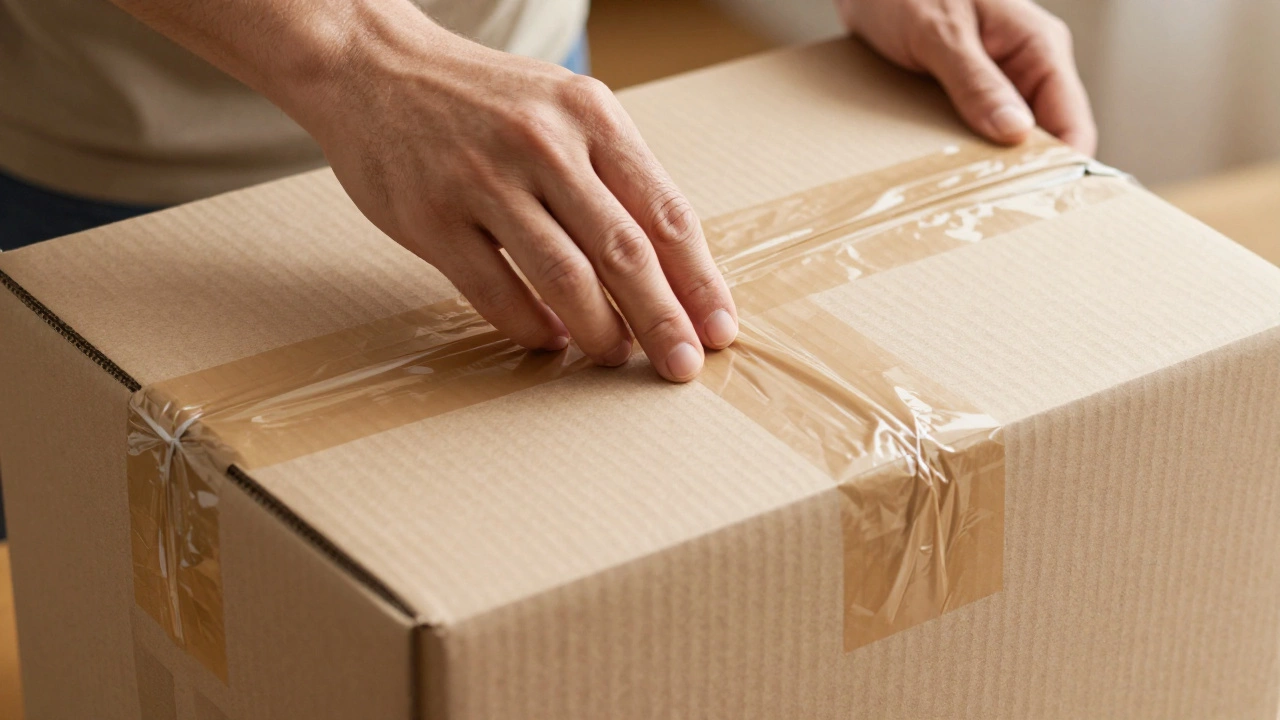
Second, invest in quality packaging. A box that survives a trip from London to Manchester might not survive a trip from London to Singapore. It will be tossed, stacked under 50kg of other boxes, and subjected to extreme humidity and temperature changes. Use double-walled boxes and plenty of void fill.
Lastly, always buy insurance. Many people think the "standard coverage" is enough. It usually isn't. If you're shipping something worth more than $100, get a separate policy. The peace of mind is worth the few extra dollars, especially when a package disappears in a transit hub halfway across the globe.
How do I choose between Air Freight and Ocean Freight?
It comes down to the "Value-to-Weight" ratio. If your goods are light but expensive (like electronics), Air Freight is better because the speed justifies the cost. If your goods are heavy and low-value (like raw materials or furniture), Ocean Freight is the only way to keep shipping costs from erasing your profit.
What is an HS Code and why do I need one?
The Harmonized System (HS) code is a standardized numerical method of classifying traded products. You need it so customs agents can identify your product quickly and apply the correct import duties. Using the wrong code can lead to delays, fines, or your package being returned.
What does DDP mean in shipping?
DDP stands for Delivered Duty Paid. It means the seller takes full responsibility for the shipment, including paying for transport, export/import duties, and taxes. This is the most convenient option for the buyer, as they don't have to pay any extra fees upon delivery.
Why is my shipping quote so much higher than the actual weight?
You are likely being charged based on volumetric weight. Carriers calculate how much space a package takes up (Length x Width x Height / Divisor). If the volume is greater than the actual weight, they charge for the volume. To avoid this, use the smallest box possible for your items.
Are express couriers always better than the post office?
Not always. While express couriers like DHL or FedEx are faster and have better tracking, they are significantly more expensive. If you are shipping something non-urgent and low-value, the national postal service is a much more cost-effective choice.