Logistics Profit & Margin Simulator
Operational Variables
Cost Structure
Asset-Heavy Carrier
You own the truck & pay driverCost Breakdown (Per Unit)
- Fuel Expense $0
- Driver Labor $0
- Overhead/Admin $0
Margin: 0%
Asset-Light Broker
Connect shipper to owner-operatorSpread Analysis
-
Carrier Payout (% of Rev)
%
Pays out 82% - Tech/Admin Ops $0
Margin: 0%
You might think moving boxes from point A to point B is straightforward. You pay for the trip, they move the goods, everyone wins. That is certainly how the customer sees it. But behind the scenes, the financial engine running a Logistics Company operates on a complex web of fees, margins, and strategic efficiencies that determine whether the ledger stays in the black. Understanding this financial architecture isn't just for accountants; it explains why your shipping rates fluctuate and where value actually lives in the supply chain.
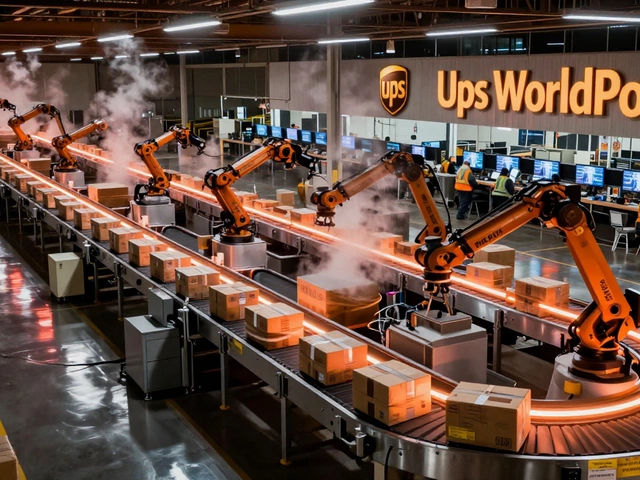
The core of the logistics company revenue model relies heavily on volume and utilization. It is rarely about making a huge profit on a single delivery. Instead, businesses look at the aggregate flow of goods across their network. For instance, when you book a truckload, the company isn't just charging for fuel. They are billing for the driver's hours, the vehicle wear and tear, insurance coverage, and administrative overhead. If a truck runs empty on the return leg, that deadhead mile eats directly into the bottom line.
Core Revenue Streams Beyond Transport
Transportation fees are the obvious money maker, but relying solely on hauling freight leaves too much margin on the table. Mature firms diversify their income by layering additional services on top of basic movement. This turns a simple transaction into a long-term partnership.
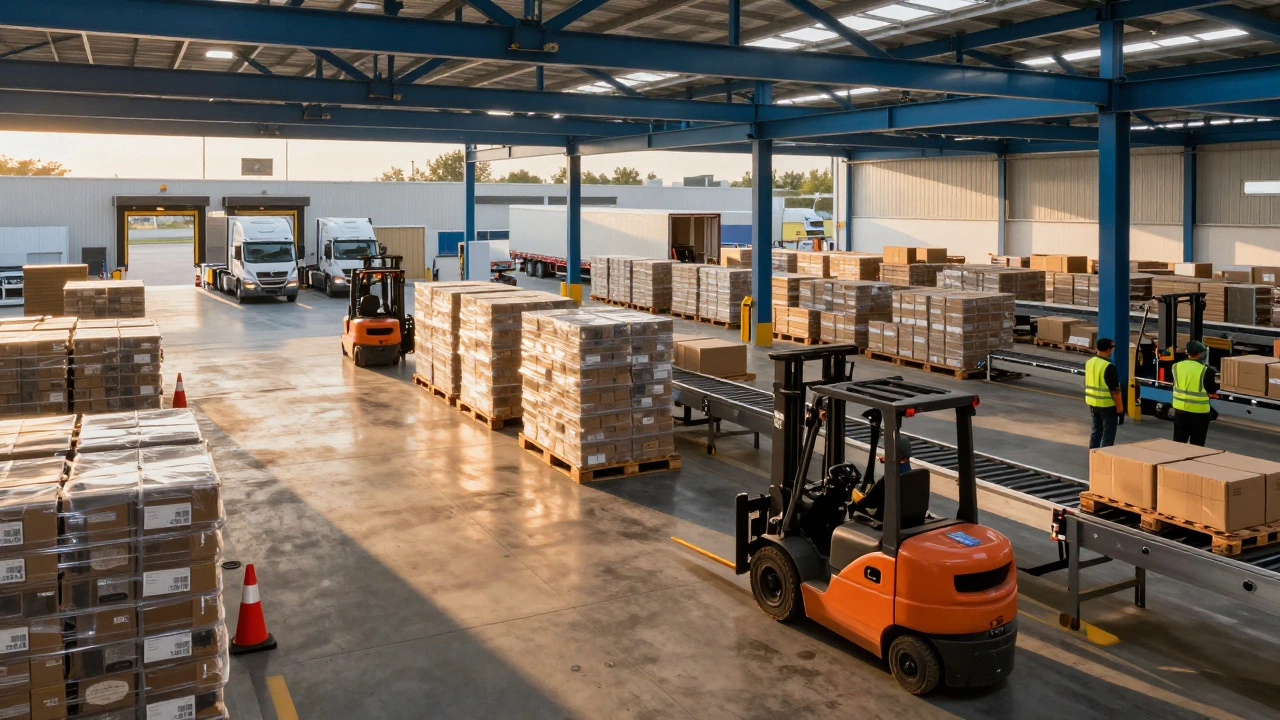
Warehousing Services involve storage fees calculated per pallet day or cubic foot. Customers store inventory in distribution centers managed by the logistics provider rather than buying their own land and buildings. This creates steady, recurring revenue regardless of market demand spikes. During peak season, storage costs rise because space becomes scarce. Operators charge premium rates for prime locations near major highways or port terminals.
Beyond storage, Freight Forwarding acts as a middleman between shippers and carriers. They consolidate smaller shipments from multiple clients into full container loads. By optimizing load density, they secure better rates from ocean or air carriers and pass a margin to the client while keeping the difference. This consolidation power is often invisible to the shipper but generates significant profit.
- Customs Brokerage: Handling paperwork and duties for international trade adds a service fee per entry.
- Fuel Surcharges: A variable fee tied to current diesel prices protects the operator from energy market volatility.
- Detention Fees: Charges applied when a receiver or shipper holds up a trailer beyond the agreed free time limit.
Detention fees serve as both revenue and a behavioral modifier. They prevent customers from treating trailers as temporary storage. When a dock worker takes six hours instead of two to unload a truck, the carrier incurs opportunity costs. Charging extra for delays compensates them for lost capacity elsewhere.
Asset-Heavy Versus Asset-Light Strategies
Not all logistics firms own trucks. Some own massive fleets and infrastructure, while others function as brokers connecting independent drivers with shippers. These structural choices dictate capital requirements and risk profiles.
Asset-heavy operators buy vehicles and lease warehouses. This requires millions upfront but gives control over quality and scheduling. Their profit depends on keeping assets utilized at high rates. If a fleet sits idle, fixed costs like loan payments and insurance still bite hard. However, owning the assets allows for capturing the full margin of every mile driven.
| Attribute | Asset-Heavy Carrier | Asset-Light Broker |
|---|---|---|
| Capital Requirement | High (Fleet purchase) | Low (Software focus) |
| Risk Profile | Maintenance & Idle Capacity | Market Rate Volatility |
| Margin Potential | Stable but Lower | Higher if Network Optimized |
| Growth Speed | Slower (Hardware limits) | Faster (Scalable Tech) |
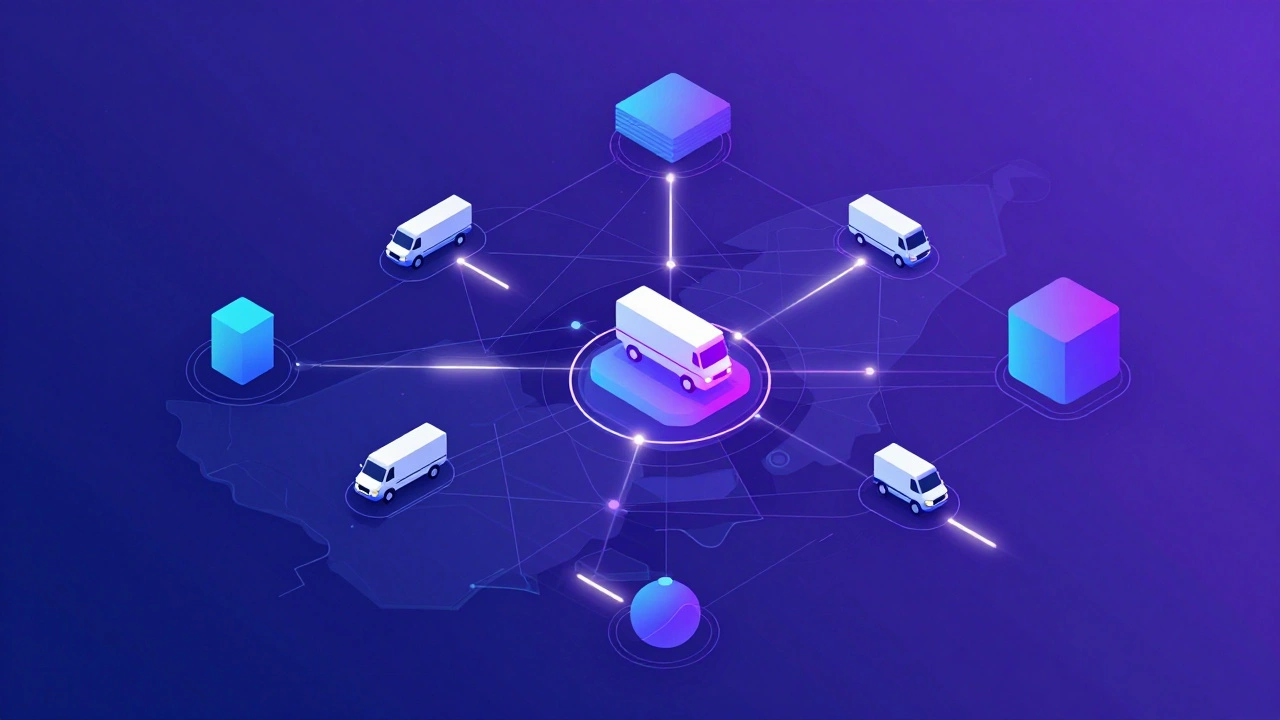
Asset-light models rely on Third-party Logistics (3PL) technology stacks to manage relationships with independent owner-operators. They make money on the spread-the difference between what the shipper pays and what the driver accepts. In 2026, these digital freight networks have become sophisticated platforms using real-time algorithms to match loads instantly. Their margins depend entirely on software efficiency rather than garage maintenance.
The Cost Equation: What Eats the Profit?
Revenues are useless if expenses outpace them. The biggest expense categories in logistics usually include fuel, labor, and regulatory compliance. Fuel volatility has been a constant headache for decades, though electric trucks are slowly changing the math. In 2026, the switch to EVs reduces fuel costs but increases electricity grid dependency and battery maintenance expenses.
Labor is equally critical. Drivers command higher wages now due to chronic shortages. Training a competent trucker takes months. Turnover rates remain stubbornly high in many regions. A single accident involving a commercial vehicle can trigger insurance premiums to skyrocket overnight. Consequently, safety investments are not optional; they protect the profit center directly.
Another silent killer is unpaid time. Administrative tasks like invoicing and proof-of-delivery verification take hours away from the road. Technology helps here. Automated systems capture photos of signed deliveries, flag exceptions immediately, and bill automatically. Without this, accounts receivable days stretch longer, hurting cash flow even if net profit looks okay on paper.
Technology as a Profit Multiplier
You cannot run a modern logistics operation without robust software. Warehouse Management Systems (WMS) and Transportation Management Systems (TMS) track every inch of inventory and every route taken. These tools aren't just overhead; they generate insights that drive profitability.
For example, route optimization algorithms calculate the fastest path considering traffic, weather, and delivery windows. Saving ten minutes per stop on a fleet of fifty trucks recovers thousands of miles annually. Overhead costs decrease because dispatchers spend less time manually calling drivers. More importantly, data transparency builds trust with clients willing to pay a premium for visibility.
AI integration in 2026 allows predictive maintenance. Sensors on engines warn of failures before they happen. Fixing a brake issue during a scheduled stop prevents a costly breakdown on the highway. These proactive measures keep trucks running and bills flowing to customers consistently.

Scalability and Expansion Tactics
Growing a logistics business means adding complexity. Expanding into new geographic zones introduces legal nuances and local regulations. International expansion brings currency exchange risks. Smart companies mitigate this by starting with regional hubs and testing routes before committing to permanent foreign infrastructure.
They also invest in customer retention rather than constantly chasing new deals. Acquiring a new client is expensive compared to upselling existing ones. Cross-selling services works well here. A client who uses trucking for raw materials might start using the same provider for finished goods storage and last-mile delivery.
Last Mile Delivery remains the most expensive part of the supply chain. Urban congestion and customer expectations for instant delivery compress margins in city centers. Many firms partner with crowdsourced delivery networks to handle this spike capacity without expanding their owned fleets during busy seasons.Future Trends Impacting Margins
Looking ahead, sustainability regulations are tightening in Europe and other markets. Carbon taxes may impact older diesel fleets differently than newer electric models. Early adopters of green transport gain a competitive advantage by offering "carbon-neutral" shipping options to eco-conscious brands.
Automation continues to creep into back-office operations. Robotics in warehouses reduce picking errors and speed up throughput. While the initial hardware cost is steep, the long-term reduction in labor hours improves the operating margin significantly. However, human oversight remains necessary to manage exception handling and complex problem-solving scenarios.
What is the average profit margin for logistics companies?
It varies wildly by sector. Asset-heavy trucking typically sees net margins between 3% and 5%. Brokerage models can achieve higher margins, sometimes reaching 10-15%, because they avoid physical asset depreciation. High-value added services like specialized warehousing also command better returns.
Do logistics companies make more money domestically or internationally?
International freight often yields higher gross margins per shipment due to the complexity involved in customs and documentation. However, domestic lanes offer higher volume turnover. Successful firms often balance both to smooth out seasonal fluctuations.
How do fuel price hikes affect logistics profits?
Most contracts include fuel surcharge clauses. This passes price changes directly to the customer. If a contract lacks a surcharge clause, the provider absorbs the loss, which drastically cuts profitability during volatile energy markets.
Is technology a necessary investment for profitability?
Absolutely. Manual processes lead to wasted time and missed opportunities. Modern TMS and tracking tools reduce administrative costs and improve route efficiency, which are direct levers for increasing the bottom line.
What drives cash flow issues in logistics?
Timing mismatches. Carriers pay drivers weekly or daily but often wait 30-60 days for customers to settle invoices. This gap requires working capital reserves. Delays in payment collection are the primary cause of cash crunches in otherwise profitable companies.