Zero-Capital Business Readiness Scorecard
Follow the 5 steps outlined in the guide. Check off each task as you complete it to see your readiness level.
Step 1: Define Micro-Niche
FoundationStep 2: Infrastructure Setup
ToolsStep 3: Sales & Pitch
RevenueStep 4: Legal & Compliance
CriticalStep 5: Scaling Plan
GrowthTotal Points: 0/100
You want to start a delivery business that provides logistics and transport solutions for local goods, but your bank account is empty. It sounds impossible, right? Most people think you need a van, insurance, and a fleet management system before you can move a single package. That is outdated thinking. In 2026, the barrier to entry in logistics has never been lower. You don't need capital; you need hustle, a smartphone, and a strategy to trade sweat equity for cash flow.
I’ve seen dozens of aspiring entrepreneurs fail because they tried to buy their way into the industry instead of working their way in. The secret isn’t finding free money-it’s structuring your service so that your first customer pays for your first asset. Let’s break down exactly how to launch a courier operation from scratch, using only what you already have.
The Mindset Shift: Service Before Assets
The biggest mistake beginners make is focusing on the vehicle. They obsess over buying a used Ford Transit or leasing an electric bike. Stop. Your product is not the transport; your product is reliability and speed. If you can promise a local bakery that their cakes will arrive warm and on time, they don’t care if you’re riding a bicycle or driving a truck. Initially, you are selling your personal guarantee.
To start with no money, you must adopt a "just-in-time" acquisition model. This means you do not buy equipment until a customer has paid for it. You secure the contract first, then use that revenue to fund the necessary tools. This approach eliminates financial risk entirely. You are essentially borrowing against future earnings, which is safer than borrowing against your credit score.
Step 1: Define Your Micro-Niche
You cannot compete with Royal Mail or Amazon Logistics on volume. You will lose every time. Instead, you need to find a gap where big players are too slow or too impersonal. Look for high-value, low-volume items that require care. Think about legal documents, medical samples, artisanal food, or urgent spare parts for local businesses.
- Legal & Financial: Law firms often need confidential documents delivered instantly. They pay a premium for discretion and proof of delivery.
- Medical Labs: Local clinics may need blood samples moved between facilities. This requires temperature control, but often just a cool box and strict adherence to time windows.
- Artisanal Food: High-end restaurants might need fresh ingredients sourced from specific farms daily. Speed preserves quality here.
Choose one niche. Become the go-to person for that specific type of delivery in your immediate area. Generalist couriers struggle; specialists thrive.
Step 2: Leverage Existing Infrastructure
Since you have no money for marketing or software, you need to borrow infrastructure. Use free digital tools to look professional. Create a simple landing page using free tiers of website builders. Set up a dedicated email address (Gmail is fine initially). Use WhatsApp Business for communication-it’s free and allows you to set up automated replies and catalogs.
For tracking, you don’t need expensive GPS hardware. Use free apps like Google Maps Timeline or even simple screenshot updates sent via WhatsApp. Transparency builds trust. If a client asks, "Where is my package?" send them a photo of the driver (you) at the pickup point. It’s low-tech but highly effective.
Step 3: The "Sweat Equity" Sales Pitch
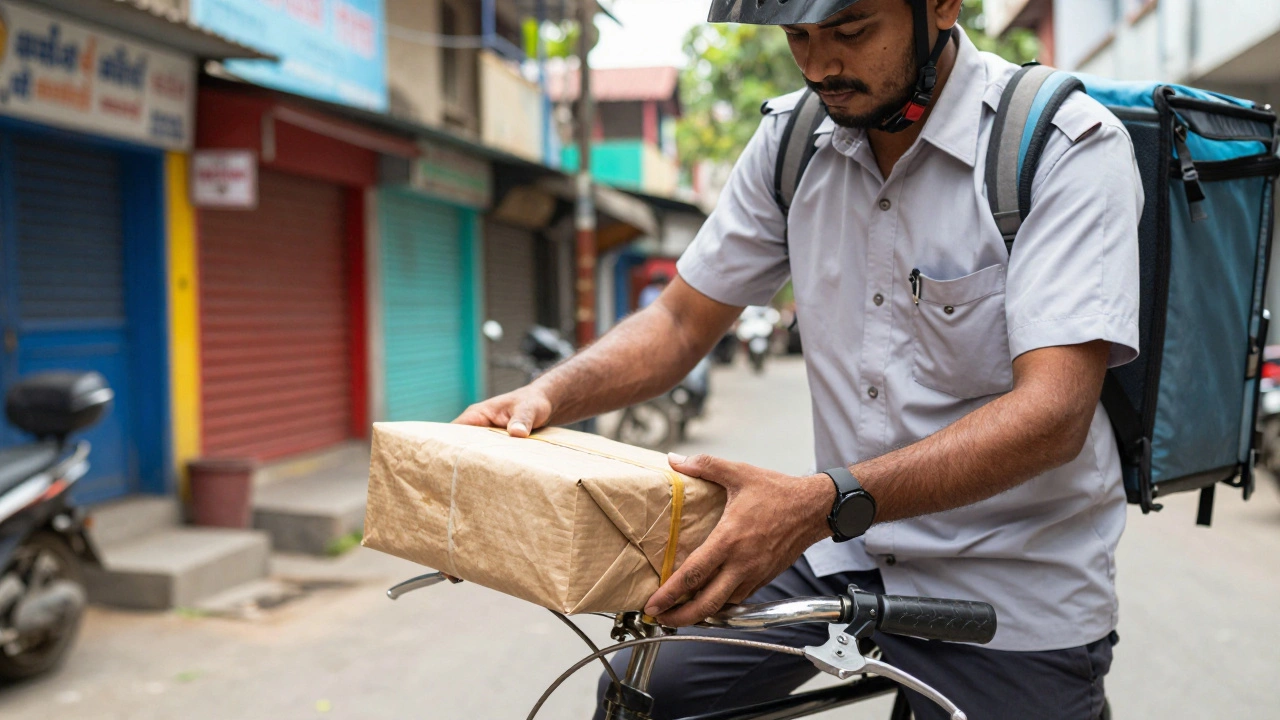
This is the hardest part. You need to walk into businesses and ask for work without having a track record. How do you convince someone to trust you with their goods when you’re unknown? You offer a performance-based trial. Tell them: "I will deliver your first ten packages for free or at cost. If I miss a deadline or damage an item, I’ll pay for it out of pocket. If I succeed, we discuss a rate card." This removes all risk for the client. They get free labor; you get a case study and a reference. Once you’ve proven yourself, you can charge market rates. In Bristol, for example, many small independent shops are tired of unreliable national couriers. Offer them a face-to-face relationship. Show up in person. Handshake deals still matter in local commerce.
Step 4: Legal and Compliance Basics
Even with no money, you must be legal. Operating as a sole trader is the simplest structure in the UK. Register with HMRC as self-employed. It’s free. Get public liability insurance. This is non-negotiable. If you drop a laptop through a window, you need coverage. Many insurers offer monthly policies starting around £10-£15. Use your first few payments from clients to cover this. Do not skip this step. One accident can bankrupt you before you start.
Also, check your vehicle insurance. If you’re using your car for deliveries, your standard policy likely doesn’t cover commercial use. Call your insurer. Explain you’re doing occasional deliveries. Some providers offer add-ons for this. If not, stick to bicycles or walking until you can afford proper commercial insurance.

Step 5: Scale Through Subcontracting
Once you have consistent work, you’ll hit a ceiling. You only have two hands and one pair of legs. To grow without investing in more vehicles, hire subcontractors. Find students or other gig workers who have their own bikes or cars. Pay them per job. You act as the dispatcher and the client manager. You keep the margin between what the client pays and what you pay the driver. This is how you build a business, not just a job.
| Model | Initial Cost | Risk Level | Growth Potential |
|---|---|---|---|
| Asset-Heavy (Buy Van) | High (£5,000+) | High | Medium |
| Asset-Light (Subcontract) | Low (£0-£100) | Low | High |
| Gig Worker (UberEats etc.) | None | Very Low | None (No Business Ownership) |
Pitfalls to Avoid
Avoid spreading yourself too thin. Don’t try to serve the entire city. Focus on a 5-mile radius. Traffic eats profit margins. Also, don’t underprice your service. Just because you’re new doesn’t mean you’re cheap. Charge based on value, not just distance. If you’re delivering a signed contract worth £100,000, charging £5 is insulting. Charge £20 for the urgency and security.
Another trap is relying on cash flow gaps. Clients may pay in 30 days. If you’re living paycheck to paycheck, this will crush you. Try to negotiate upfront payment for small jobs. For larger contracts, consider invoice financing later, but initially, stick to same-day settlement where possible.
From Freelancer to Founder
After six months, if you’ve built a reliable client base, reinvest profits into branding. Buy a uniform. Get a branded helmet. Upgrade to a better bike or a small van. Now you have assets. But remember, the asset didn’t create the business; the relationships did. Keep nurturing those clients. Personal service is your moat. Big companies can’t replicate the personal touch you provide.
Do I need a license to start a delivery business?
In the UK, you do not need a special license to operate a small courier business. However, you must register as self-employed with HMRC. If you use a vehicle over 3.5 tonnes, you may need a Driver Certificate of Professional Competence (CPC). For most small startups using cars or bikes, standard road laws apply.
How much insurance do I need?
You need Public Liability Insurance, typically covering £1 million to £5 million in damages. This protects you if you cause injury or property damage. Goods in Transit insurance is also recommended once you’re carrying valuable items. Costs vary but can start as low as £10 per month for basic coverage.
Can I start a delivery business with just a bicycle?
Absolutely. Bicycle couriers are ideal for dense urban areas like Bristol or London. They avoid traffic congestion and parking fees. Focus on lightweight, high-value items. As you grow, you can expand to e-bikes or vans.
What if I don’t have any customers?
Start by offering free trials to local businesses. Join local Facebook community groups and offer help. Network at chamber of commerce events. The key is visibility. People hire who they know and trust.
Is it better to join a platform like UberEats or start my own?
Joining a platform gives you immediate work but low pay and no customer ownership. Starting your own takes longer but builds a valuable asset (your client list) and higher profit margins long-term. Consider platforms as a temporary income source while building your direct clients.