
Priority Mail Express Cost Estimator
Package Details
Cost Breakdown
Estimated Total Cost
| Rate Type | Cost |
|---|---|
| Retail Rate (Counter) | $0.00 |
| Commercial Base (Online) | $0.00 |
| Additional Insurance | $0.00 |
| Adult Signature | $0.00 |
Recommendation:
Based on your package details...
Enter your package details and click "Calculate Shipping Cost" to see estimates
You have a package that needs to arrive tomorrow. No excuses, no delays. You’re looking at Priority Mail Express, which is the United States Postal Service's premium overnight shipping option with a money-back guarantee if it doesn't arrive on time. The big question isn’t just whether it will get there; it’s how much it will drain your wallet.
In 2026, the cost of sending Priority Mail Express varies wildly depending on how you pack it and where it’s going. A small envelope might cost you around $28, while a heavy box could push past $90. If you don’t know the difference between Retail Rates and Commercial Base Pricing, you are likely overpaying by 20% or more.
The Two Price Tiers: Retail vs. Commercial
Before we look at specific numbers, you need to understand the most important factor in your final bill: how you buy the label. USPS operates two distinct pricing structures. This is where most people lose money.
Retail Rates are what you see when you walk into a post office counter. You hand over your box, the clerk weighs it, prints a label, and charges you this higher rate. It includes the convenience of immediate service but comes with a premium price tag.
Commercial Base Pricing is available only when you print your own labels online using tools like Click-N-Ship, PayPal Shipping, or third-party platforms like Shopify or ShipStation. These rates are significantly lower because USPS saves on labor and processing costs. For Priority Mail Express, the savings can be substantial-often $5 to $15 per package.
| Shipping Method | Weight/Size | Retail Rate (Counter) | Commercial Base (Online) |
|---|---|---|---|
| Flat Rate Envelope | Any weight up to 70 lbs | $28.95 | $26.35 |
| Flat Rate Box (Small/Medium) | Any weight up to 70 lbs | $30.45 | $27.75 |
| By Weight (1 lb) | Zone 1-4 (Local) | $29.50 | $26.80 |
| By Weight (1 lb) | Zone 8 (Coast-to-Coast) | $32.15 | $29.45 |
| By Weight (5 lbs) | Zone 8 (Coast-to-Coast) | $45.60 | $42.10 |
Note that these prices fluctuate slightly with annual postal adjustments. Always check the official USPS calculator for the exact cent amount on the day of shipping.
Understanding Zones: Distance Matters
If you aren’t using a Flat Rate box, distance is king. USPS divides the country into nine zones based on the origin and destination ZIP codes. Zone 1 is local (same city or nearby towns), while Zone 9 is coast-to-coast (e.g., New York to California).
For Priority Mail Express, the price jump between zones is less dramatic than with standard Priority Mail, but it still exists. A one-pound package sent locally might cost you $26.80 commercially, while that same pound sent across the country jumps to nearly $30. As weight increases, the zone penalty grows. Sending a 10-pound package from Brooklyn to LA will cost significantly more than sending it to Jersey City.
To calculate your zone, use the USPS Zone Calculator tool online. Enter your ZIP and the recipient’s ZIP. If you are shipping regularly to specific areas, memorize your common zones. Knowing that your main customer base is in Zone 4 helps you budget accurately without guessing.
When Flat Rate Wins (And When It Doesn’t)
This is the biggest debate in shipping. Should you use a Flat Rate box or pay by weight? Here is the simple rule:
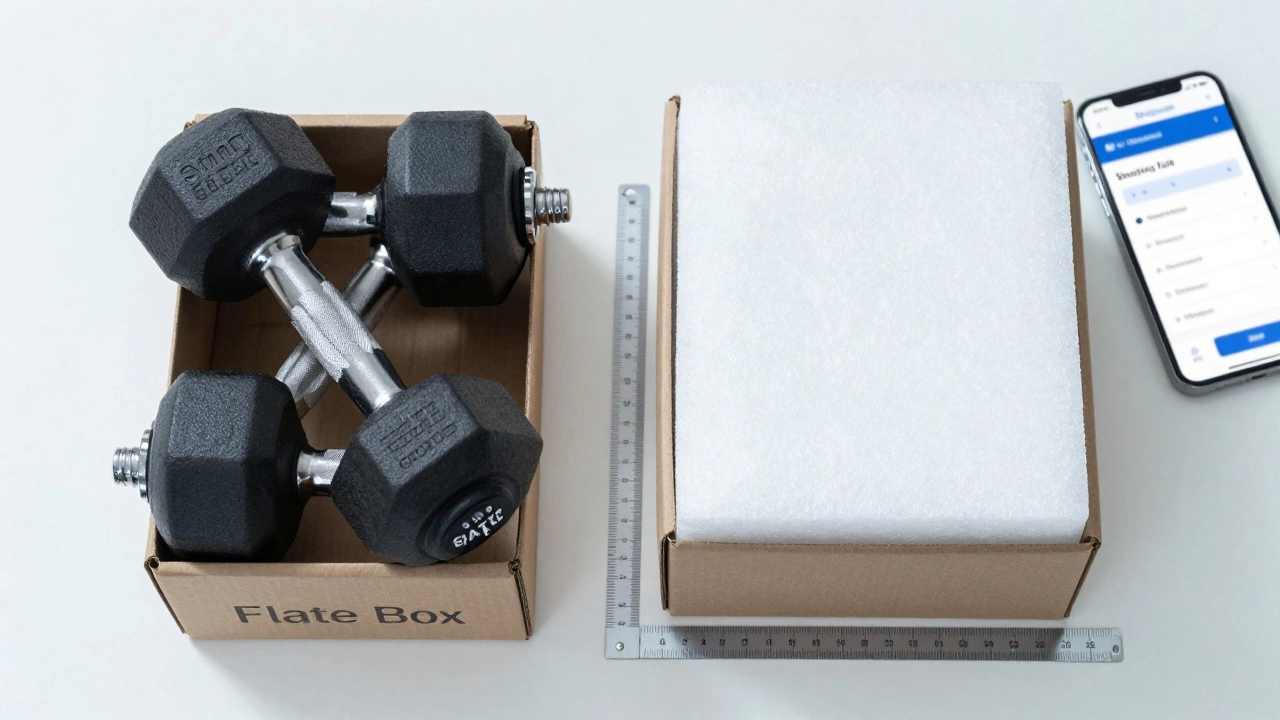
- Use Flat Rate if: Your item is dense and heavy. Think books, tools, or ceramics. If you can fit a 50-pound dumbbell into a Small Flat Rate Box, you are saving massive amounts of money compared to paying by weight.
- Pay by Weight if: Your item is light and bulky. Think clothing, plastic toys, or foam. If your package weighs less than 2 pounds, paying by weight is almost always cheaper than the flat rate fee, especially if you are shipping locally or regionally.
There is also the Regional Rate Box, a newer addition to the USPS lineup. These boxes are cheaper than Flat Rate boxes but only if you ship within specific regions (e.g., Northeast to Northeast). If you ship nationally, stick to Flat Rate or By Weight.
Hidden Fees That Spike Your Bill
The base price is just the start. Several optional services add fixed costs to your invoice. Be aware of these before you click "buy":
- Signature Confirmation: Included free with Priority Mail Express. You do not need to pay extra for this basic proof of delivery.
- Adult Signature Required: Costs approximately $6.95. Use this only if the item is high-value alcohol, controlled substances, or extremely expensive electronics. It requires an adult (21+) to sign for the package.
- Indirect Delivery: If you want the carrier to leave the package at a specific location other than the front door (like a side gate), this fee applies. However, note that Priority Mail Express guarantees delivery to the mailbox or front door, so indirect requests can sometimes void the guarantee.
- Hold for Pickup: Free. If the recipient isn’t home, they can pick it up at their local Post Office. This avoids missed delivery attempts.
- Insurance: Priority Mail Express includes up to $100 of insurance automatically. If your item is worth more, you must purchase additional insurance. This costs roughly $2.05 per $100 of value. Insuring a $500 watch adds about $8 to your bill.
The Money-Back Guarantee
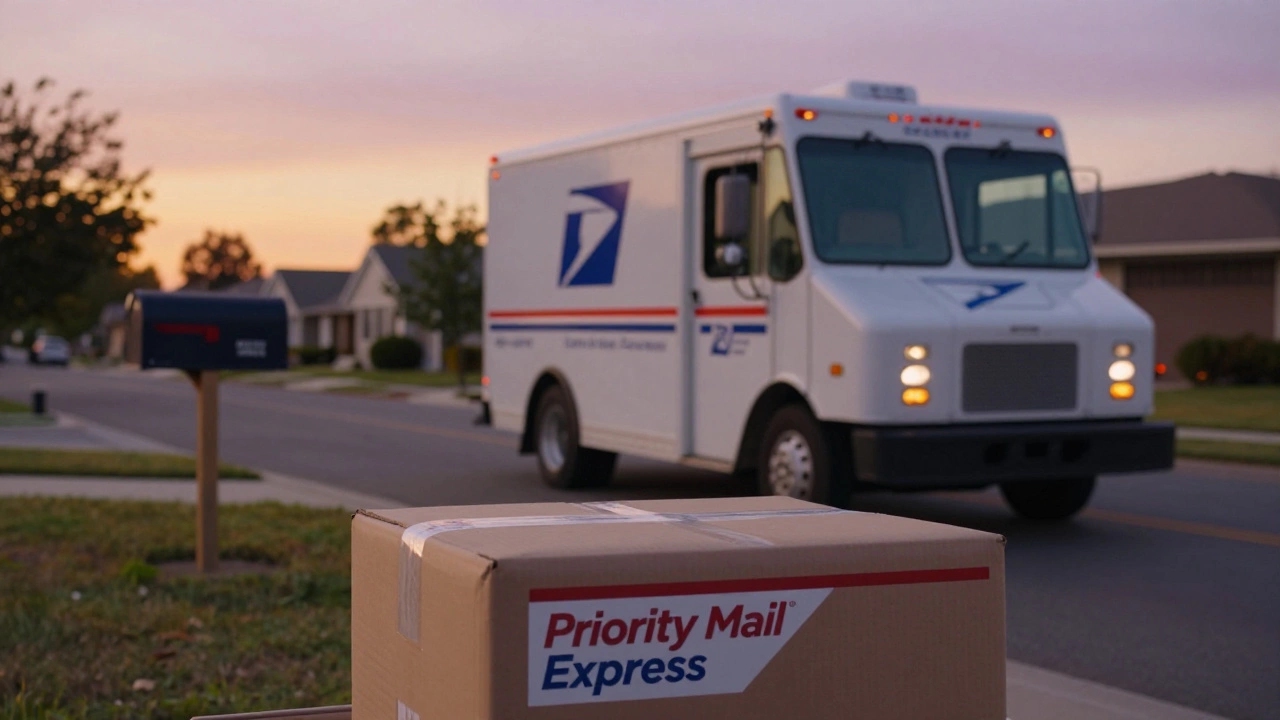
Why pay extra for Priority Mail Express instead of regular Priority Mail? The answer is the guarantee. If your package does not arrive by the committed date (usually next day by 12:00 PM or 3:00 PM depending on the route), you are entitled to a full refund of the postage.
To claim this, you must file a request within 60 days of mailing. You’ll need the tracking number and proof of the promised delivery date. This makes Priority Mail Express the safest bet for time-sensitive documents like tax returns, legal contracts, or birthday gifts that cannot be late.
Pro Tips to Lower Your Costs
You can’t change the base rates, but you can optimize how you ship. Here are practical steps to keep costs down:
- Print Labels Online: Never pay retail rates unless it’s an emergency. The commercial discount alone saves you enough to cover the cost of a thermal printer after a few shipments.
- Weigh Before You Pack: Use a digital scale. If you are close to a weight threshold (e.g., 1 lb vs. 2 lbs), remove packaging material to drop to the lower tier.
- Check Dimensions: USPS charges dimensional weight if your package is large but light. Keep boxes as tight as possible. Excessive air space can trigger surcharges.
- Use the Right Box: Don’t force a square peg into a round hole. If your item fits in an envelope, use the Flat Rate Envelope ($26.35 commercial) rather than a box ($27.75 commercial). It sounds minor, but it adds up.
Is It Worth It Compared to Private Couriers?
In the UK, I’m used to services like DPD or Royal Mail Special Delivery. In the US, you have FedEx Overnight and UPS Next Day Air. How does Priority Mail Express stack up?
Generally, Priority Mail Express is the cheapest overnight option for packages under 5 pounds. FedEx and UPS often charge premiums for fuel and residential delivery. However, private couriers offer better real-time tracking and more flexible pickup options. If you are shipping a fragile, high-value item, the superior handling of FedEx/UPS might justify the higher cost. For standard documents or lightweight goods, USPS wins on price.
What is the cheapest way to send Priority Mail Express?
The cheapest method is to print a Commercial Base label online for a Flat Rate Envelope if your item fits, costing around $26.35. If it doesn’t fit in an envelope, weigh your package. If it’s under 2 pounds and shipping locally, paying by weight via a commercial online label is usually the lowest cost option.
Does Priority Mail Express include insurance?
Yes, all Priority Mail Express shipments include up to $100 of insurance coverage at no extra cost. If your item is worth more than $100, you should purchase additional insurance, which costs approximately $2.05 per $100 of declared value.
Will Priority Mail Express arrive the next day?
It is guaranteed to arrive the next day to most addresses in the US, typically by 12:00 PM or 3:00 PM. However, remote areas, PO Boxes, and military addresses may take longer. If it misses the guaranteed window, you are eligible for a full postage refund.
Can I track Priority Mail Express?
Yes, every Priority Mail Express shipment comes with free tracking. You can monitor its progress in real-time via the USPS website or app. Tracking updates are frequent, including scans at departure and arrival facilities.
What happens if my Priority Mail Express package is lost?
If a package is confirmed lost, you can file a claim for reimbursement up to the insured value. Since Priority Mail Express includes $100 of free insurance, you would be reimbursed up to that amount automatically. For higher values, ensure you purchased additional insurance before shipping.