Logistics Efficiency & Cost Estimator
Use this tool to estimate how optimizing the four key logistics processes can impact your operational costs and delivery speed.
Moving a product from a factory floor to a customer's front door seems simple until you actually try to do it at scale. One missed scan in a warehouse or a delayed truck in a rainstorm can snowball into a customer service nightmare. Most people think of logistics as just "trucks and boxes," but it's actually a complex machine made of four interlocking gears. If one gear slips, the whole system grinds to a halt. To keep things moving, you need to master logistics processes, which are the standardized steps that ensure goods move efficiently, cheaply, and on time.
Quick Takeaways
- Procurement manages the flow of raw materials into the business.
- Warehouse Management handles the storage and organization of goods.
- Transportation Logistics focuses on the physical movement of products.
- Order Fulfillment ensures the right product reaches the right customer.
1. Procurement and Sourcing
Everything starts with procurement. You can't sell what you don't have, and you can't build what you can't source. Procurement is the strategic process of sourcing, negotiating, and acquiring the goods and services a company needs to operate. It isn't just about buying things; it's about managing relationships with suppliers to ensure quality and consistency.
Imagine you run a high-end electronics brand. If your chip supplier in Taiwan has a power outage, your entire production line stops. This is why procurement experts focus on "diversification." Instead of relying on one vendor, they build a network. They track lead times-the gap between placing an order and receiving it-and set "safety stock" levels to prevent stockouts.
In a modern setup, this process is driven by Enterprise Resource Planning (or ERP) software. An ERP system lets a manager see exactly when raw material levels drop below a certain threshold and automatically triggers a purchase order. This removes the guesswork and prevents the dreaded "out of stock" message on a website.
2. Warehouse Management and Storage
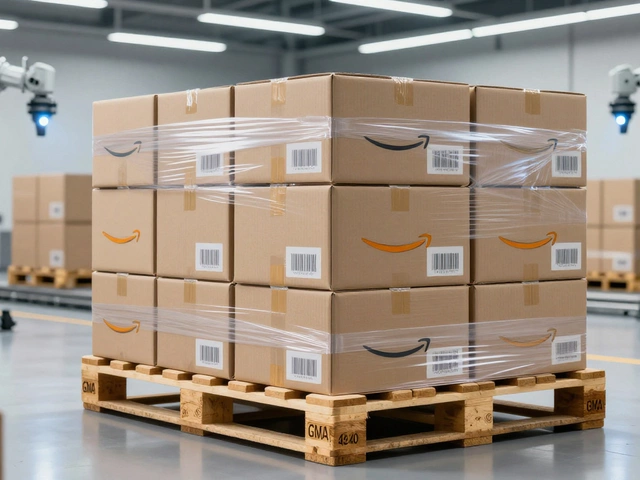
Once the materials arrive, they need a home. This is where Warehouse Management comes in. It is the control and optimization of everything happening inside a storage facility, from the moment goods enter until they leave. A warehouse isn't just a big room with shelves; it's a high-speed sorting center.
The goal here is maximizing "cube utilization"-using every inch of vertical and horizontal space. If you put your fastest-selling items at the very back of the warehouse, your pickers spend half their day just walking. That's wasted money. Instead, smart warehouses use "ABC Analysis," where 'A' items (high demand) are placed closest to the shipping docks.
To handle this, companies use a Warehouse Management System (or WMS). A WMS tracks every single SKU (Stock Keeping Unit) using barcodes or RFID tags. When a worker scans a product, the system updates the inventory in real-time. This prevents "ghost inventory," where the computer says you have ten units, but the shelf is actually empty.
| Strategy | How it Works | Best For |
|---|---|---|
| FIFO (First-In, First-Out) | Oldest stock is shipped first | Perishables/Food |
| LIFO (Last-In, First-Out) | Newest stock is shipped first | Non-perishables (e.g., Stone/Coal) |
| Cross-Docking | Goods move from receiving to shipping with zero storage | High-turnover retail |
3. Transportation and Freight Logistics
Now that the product is picked and packed, it needs to move. Transportation Logistics is the planning and execution of moving goods via road, rail, air, or sea. This is usually the most expensive part of the chain, and it's where most errors occur.
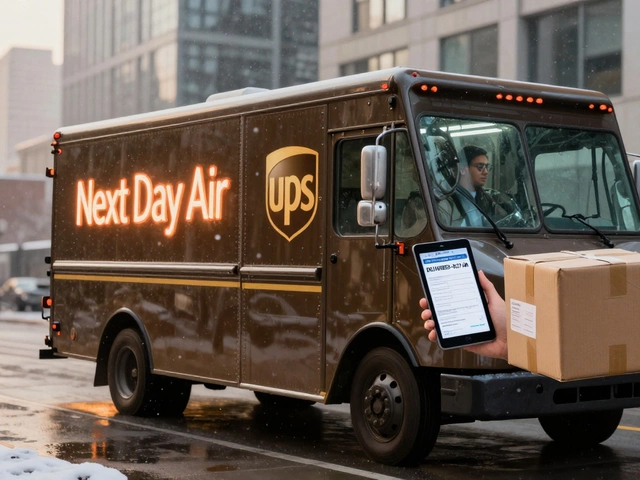
The biggest challenge here is the "Last Mile." This is the final leg of the journey from a distribution center to the end customer. It is notoriously inefficient because of traffic, wrong addresses, and failed delivery attempts. To combat this, companies use Route Optimization software that calculates the most efficient path for a driver based on real-time traffic data. Instead of a driver guessing the best way, the software tells them exactly which turn to take to save fuel and time.
Depending on the volume, businesses choose between different freight modes. Full Truckload (FTL) is faster and safer but more expensive, while Less-than-Truckload (LTL) allows multiple companies to share a truck, lowering the cost for smaller shipments. Choosing the wrong one can either kill your profit margins or leave your customer waiting for weeks.
4. Order Fulfillment and Distribution
The final piece of the puzzle is Order Fulfillment. This is the complete end-to-end process from the moment a customer hits "Buy" to the moment the package is delivered and accepted. It ties all the previous steps together. If procurement failed, you can't fulfill. If the warehouse messed up, you ship the wrong item. If transport fails, the customer gets a damaged box.
A huge trend here is the rise of Third-Party Logistics (or 3PL). Many brands no longer run their own warehouses. Instead, they hire a 3PL provider who handles the storage, packing, and shipping for them. For example, a small Shopify store might use a 3PL so they can focus on marketing while experts handle the heavy lifting of boxing products.
The metric that matters most here is the "Order Cycle Time." This is the total time from order placement to delivery. In the era of one-day shipping, every single minute counts. To speed this up, companies use automated picking robots and integrated API connections between their storefront and their shipping carriers.
Connecting the Dots: The Logistics Loop
These four processes don't happen in a straight line; they happen in a loop. This is often referred to as Supply Chain Management. When a customer returns a product-something called "Reverse Logistics"-the process runs backward. The item goes from the customer, back through transportation, into the warehouse for inspection, and potentially back to the procurement phase if the item needs to be replaced by the vendor.
Without a digital thread connecting these stages, you get "silos." A silo happens when the warehouse team doesn't know what the procurement team just ordered, leading to a shipment arriving when there's no room on the shelves. Integrated Logistics Software breaks these silos by giving everyone a single source of truth.
What happens if one of these processes fails?
A failure in any one process creates a bottleneck. For example, if procurement fails to source raw materials, the warehouse sits empty, transportation trucks run half-full (increasing costs), and order fulfillment stops, leading to lost revenue and unhappy customers.
Is there a difference between logistics and supply chain management?
Yes. Logistics is a specialized component of the broader supply chain. While supply chain management covers the entire lifecycle-including product development and marketing-logistics focuses specifically on the movement and storage of goods.
How does software help with these processes?
Software provides visibility. WMS handles the warehouse, TMS (Transportation Management Systems) handles the trucks, and ERPs handle the procurement. When these systems talk to each other via APIs, the business can automate ordering and shipping without manual data entry.
What is the most difficult process to optimize?
Generally, transportation-specifically the "last mile"-is the hardest to optimize because it involves unpredictable variables like weather, traffic, and human error at the delivery point.
Do small businesses need all four processes?
Absolutely. Even a person selling handmade jewelry from home is doing procurement (buying beads), warehouse management (storing them in a drawer), transportation (going to the post office), and fulfillment (packaging the order).
Next Steps for Improving Your Flow
If you're noticing delays in your shipping or a lot of inventory errors, start by auditing your warehouse layout. Use the ABC analysis mentioned earlier to see if your most popular items are easily accessible. From there, look into a basic WMS to stop relying on spreadsheets. Once your internal house is in order, focus on your transportation partners to see if you can consolidate shipments and lower your costs.
Latest Posts