UK Parcel Collection Cost Estimator (2026)
Configure Your Shipment
Estimated Results
Configure your shipment details and click calculate to see estimated costs.
Why Your Parcel Collection Costs More Than You Think
You’ve packed the box. You’ve printed the label. You’re ready to send it off. But then you realize: getting someone to pick it up isn’t free. In fact, parcel collection costs can eat into your margins faster than fuel surcharges or customs delays. Whether you’re a sole trader sending one package a week or an e-commerce brand moving hundreds daily, understanding what drives these prices is the difference between bleeding cash and keeping profits healthy.
In 2026, the UK logistics landscape has shifted dramatically. Post-pandemic demand spikes have settled, but labor shortages, fuel volatility, and stricter environmental regulations have kept prices firm. The average fee for a single home collection from a major carrier like Royal Mail or Evri hovers around £3.50-£4.50 if you don’t bundle it with other services. But that’s just the starting point. Add weight, distance, urgency, or special handling, and that number climbs fast.
The real question isn’t just “how much?”-it’s “why?” and “can I reduce it?” Let’s break down exactly what couriers charge, who pays what, and how smart shippers are cutting costs without sacrificing reliability.
What Actually Drives Parcel Collection Prices?
Courier companies don’t set collection fees out of thin air. Every pound charged reflects a real operational cost. Here’s what they’re paying for when they show up at your door:
- Labor hours: Drivers spend time navigating traffic, parking, waiting for handover, and scanning packages. A single stop can take 15-30 minutes depending on location.
- Fuel and vehicle wear: Urban deliveries burn more fuel per mile due to idling and stop-and-go patterns. Electric vans help, but charging infrastructure adds overhead.
- Route optimization complexity: Picking up from scattered addresses requires dynamic routing software and dispatcher oversight. Efficiency drops sharply outside dense urban zones.
- Risk management: Missed pickups, damaged goods during transit, or failed scans trigger re-delivery attempts-all costing extra.
- Regulatory compliance: GDPR data handling, insurance minimums, and environmental reporting add administrative layers.
If you’re only sending occasional parcels, you’ll pay premium rates because you’re not helping the courier fill their route efficiently. Volume shippers negotiate lower per-pickup fees precisely because they make each driver’s day smoother and more predictable.
Standard vs. Premium Collection Options
Not all collections are created equal. Couriers offer tiered services based on speed, flexibility, and support level. Choosing the wrong one means overpaying-or worse, missing deadlines.
| Service Type | Average Cost | Pickup Window | Best For |
|---|---|---|---|
| Standard Home Collection | £3.50 - £4.50 | 8 AM - 6 PM (next business day) | Occasional senders, non-urgent shipments |
| Scheduled Time-Slot Collection | £5.00 - £7.00 | 2-hour window (e.g., 9-11 AM) | Businesses needing precise planning |
| Same-Day Urgent Pickup | £8.00 - £12.00+ | Within 4 hours of booking | Emergency returns, high-value items |
| Drop-off Point Alternative | £0.00 (if using partner network) | N/A | Budget-conscious individuals |
Note: Drop-off points aren’t true “collections,” but many carriers waive fees entirely if you use their retail partners (like Post Office branches or local shops). This is often the cheapest option-but only if convenience doesn’t matter to you.

Who Pays What? Sender vs. Receiver Responsibility
This is where confusion starts. Who foots the bill for collection depends entirely on how the shipment was arranged-and whether terms were clearly defined upfront.
If you’re the sender initiating the return or outbound shipment, you typically pay the full collection fee unless otherwise agreed. Some platforms (like Amazon FBA or eBay sellers) allow buyers to prepay returns, which shifts the cost burden. Others let receivers arrange their own courier, meaning the seller never touches the pickup charge.
For B2B transactions, Incoterms dictate responsibility. Under FOB (Free On Board), the buyer arranges and pays for inland transport-including collection-from the supplier’s warehouse. Under DDP (Delivered Duty Paid), the seller covers everything until delivery, including initial pickup.
Always clarify this in writing before shipping. Ambiguity leads to disputes, delayed payments, and lost customer trust.
Volume Discounts & Contract Rates Explained
If you ship regularly, you’re leaving money on the table by paying retail rates. Major carriers like DPD, Hermes (Evri), and UPS offer volume-based pricing that slashes per-collection costs significantly.
Here’s a rough breakdown:
- 1-10 parcels/month: Pay standard published rates (~£4.00 avg.)
- 11-50 parcels/month: Eligible for 10-15% discount via online account registration
- 51-200+ parcels/month: Qualify for contract negotiation; expect 20-35% reduction
- 200+ parcels/day: Custom SLAs, dedicated drivers, API integration possible; discounts up to 40%
To unlock these rates, you need consistent volume, accurate forecasting, and willingness to commit to quarterly or annual contracts. Carriers prefer predictability-it lets them optimize routes and staffing ahead of time.
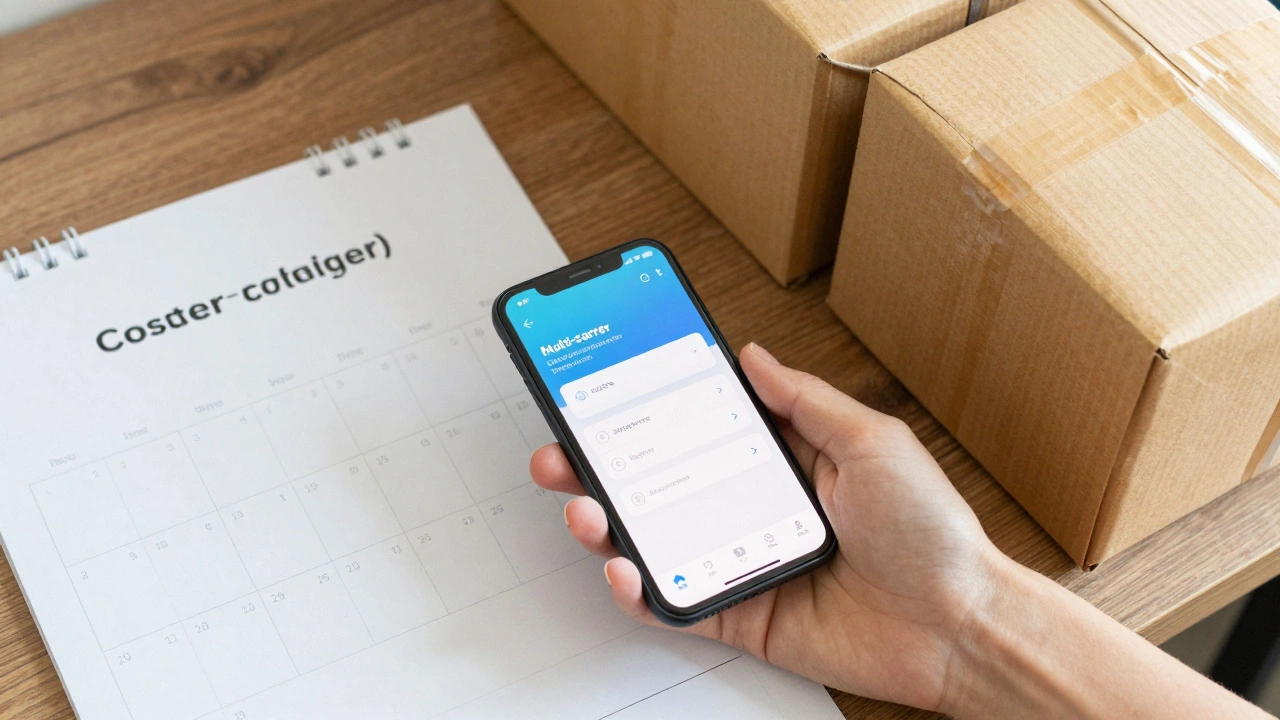
Pro tip: Use multi-carrier platforms like Shippo, EasyParcel, or ParcelMonkey. They aggregate demand across thousands of small businesses, giving you access to bulk rates even if you’re not shipping massive volumes yourself.
Hidden Fees That Sneak Into Your Bill
The advertised collection price rarely tells the whole story. Watch out for these common add-ons:
- Address correction fees: If your address is incomplete or formatted incorrectly, couriers may charge £2-£5 to verify it manually.
- Wait-time penalties: Arriving early and finding no one home? Next-day retry might incur a £3-£6 reattempt fee.
- Special handling surcharges: Fragile, hazardous, or oversized items often trigger additional charges (£5-£15+).
- Weekend/holiday pickups: Saturday collections usually carry a 20-30% premium; Sundays even higher.
- Insurance upgrades: Basic coverage is included, but insuring beyond £100 value adds 1-3% of declared worth.
These extras compound quickly. One missed appointment plus weekend pickup could double your expected cost. Always confirm total landed cost before confirming service.
Smart Ways to Reduce Parcel Collection Costs
You don’t have to accept whatever rate the quote gives you. Here are proven strategies used by savvy shippers:
- Bundle multiple pickups: Schedule three small packages together instead of three separate visits. Many carriers waive second/third item fees within same address.
- Use drop-off networks strategically: Even if you need collection elsewhere, consider dropping off first leg at a nearby hub to save on final-mile pickup.
- Negotiate during peak seasons: Carriers want guaranteed volume during Christmas or Black Friday. Lock in discounted rates now for future periods.
- Automate scheduling: Integrate with ERP or e-commerce platforms so collections auto-schedule based on order cutoff times-reducing manual errors and last-minute urgent requests.
- Review monthly statements: Audit invoices for duplicate charges, incorrect weights, or unapproved services. Dispute inaccuracies promptly.
One Bristol-based boutique owner cut her monthly collection spend by 38% simply by switching from ad-hoc bookings to weekly scheduled pickups with two consolidated stops per route.
When Is It Worth Paying Extra?
Sometimes spending more makes sense. Consider upgrading collection tiers when:
- Customer experience matters: High-end brands shouldn’t risk delays damaging reputation.
- Time-sensitive inventory: Perishables, event materials, or limited-stock products require certainty.
- High-value goods: Electronics, jewelry, or artwork justify insured, tracked, priority handling.
- Remote locations: Rural areas face longer wait times; paying for guaranteed slots avoids wasted days.
Balance cost against consequence. A £5 extra fee preventing a £500 loss is easily justified.
How much does Royal Mail charge for parcel collection?
Royal Mail charges approximately £3.50-£4.50 for standard next-day home collection in 2026. Prices vary slightly by region and package size. Business accounts with regular volume may qualify for reduced rates through negotiated contracts.
Can I get a free parcel collection?
True free home collection is rare. However, some carriers offer zero-cost options if you drop off at designated partner locations (Post Office, supermarkets, etc.). Additionally, promotional campaigns occasionally waive fees for new customers or specific product lines.
What affects the cost of courier pickup besides distance?
Key factors include package weight/dimensions, required speed (same-day vs. next-day), accessibility (ground floor vs. stairs/elevator), insurance value, special handling needs (fragile/hazardous), and whether the pickup occurs on weekends or holidays.
Do I pay for collection if the receiver cancels the order?
Yes-if you initiated the collection request, you remain responsible for the fee regardless of cancellation status. To avoid this, coordinate closely with buyers and delay scheduling until confirmation is received. Some marketplaces provide protection policies for such cases.
Is it cheaper to collect parcels myself or hire a courier?
Self-collection saves direct fees but incurs hidden costs: fuel, vehicle maintenance, time spent driving, parking fines, and opportunity cost of not working. For most small businesses, hiring a courier becomes economical after 3-5 parcels per week due to efficiency gains.
How do I compare different courier collection prices accurately?
Request detailed quotes including all potential surcharges (fuel, insurance, remote area). Compare apples-to-apples: same weight, dimensions, destination type, and service level. Use comparison tools or broker platforms that normalize pricing across providers for clearer decision-making.