Logistics Platform ROI Estimator
$0
Key Efficiency Gains:
- ✓ 0% reduction in manual entry errors
- ✓ Real-time visibility across 0 orders/year
- ✓ Automated carrier selection & rate shopping
Imagine trying to coordinate a global supply chain using nothing but sticky notes and phone calls. It sounds chaotic, doesn't it? That was the reality for many businesses just a decade ago. Today, that chaos has been replaced by a single source of truth: the logistics platform. But what exactly is this thing everyone in the industry talks about? Is it just another fancy word for spreadsheet software, or is it the backbone of modern commerce?
If you are looking to streamline your operations, reduce shipping costs, or simply stop losing track of packages, understanding logistics platforms is non-negotiable. This isn't just about moving boxes from point A to point B anymore. It is about data, visibility, and automation. Let's break down what these systems actually do, why they matter, and how they fit into your business strategy.
The Core Definition: More Than Just Software
At its simplest level, a logistics platform is a digital ecosystem that manages the flow of goods, information, and money throughout the supply chain. Think of it as the central nervous system for your physical operations. While traditional software might handle one specific task-like calculating freight rates-a true platform connects multiple functions into a unified workflow.
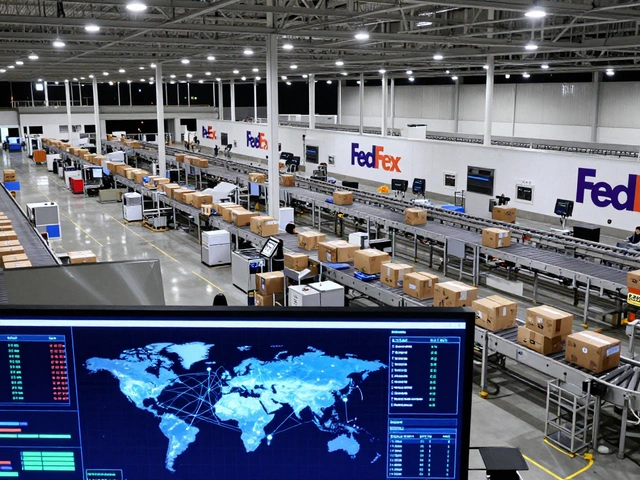
When we talk about supply chain management the oversight of materials, information, and finances as they move from supplier to manufacturer to wholesaler to retailer to consumer, we are talking about complexity. A logistics platform simplifies this by providing real-time visibility. You can see where a shipment is, predict when it will arrive, and identify bottlenecks before they become crises. It transforms raw data into actionable insights.
For example, if a storm delays a container at the port of Rotterdam, a robust platform alerts you immediately. It doesn't just tell you there is a delay; it suggests alternative routes or rerouting options based on current capacity. This shift from reactive to proactive management is the defining characteristic of modern logistics technology.
Key Components of a Logistics Platform
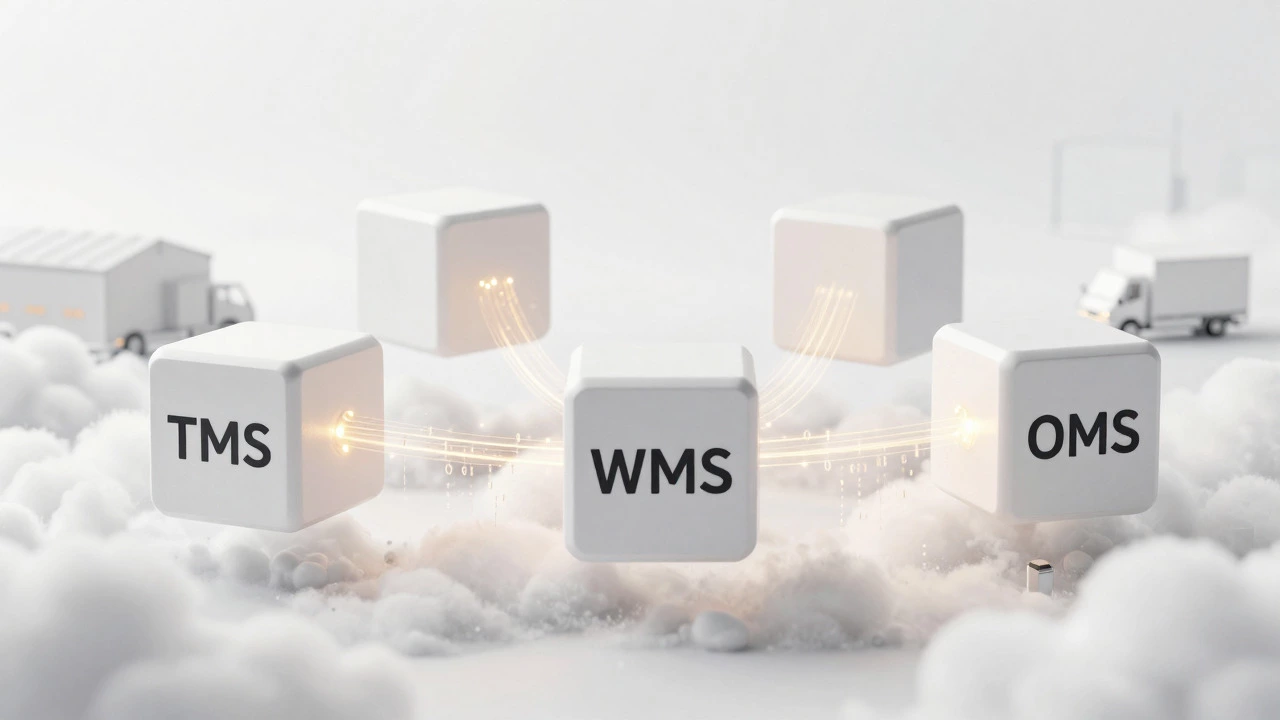
A logistics platform is rarely a monolithic block of code. Instead, it is usually composed of several integrated modules that work together. Understanding these components helps you decide which features are essential for your specific needs.
- Transportation Management System (TMS): This module handles carrier selection, rate shopping, and route optimization. It ensures you are getting the best price for the fastest service. According to recent industry benchmarks, companies using automated TMS solutions can reduce transportation costs by up to 15% through better load consolidation and route planning.
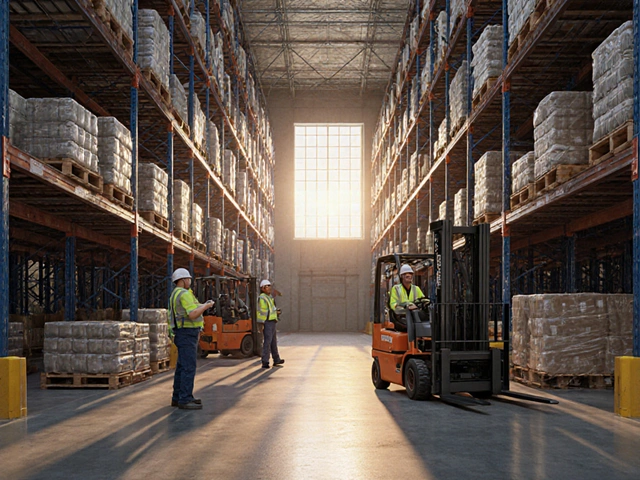
- Warehouse Management System (WMS): Once goods arrive, the WMS takes over. It manages inventory levels, directs pickers via mobile devices, and optimizes storage locations. In high-volume environments, a WMS can increase picking accuracy to 99.9%, drastically reducing returns caused by shipping errors.
- Order Management System (OMS): The OMS acts as the bridge between your sales channels and your fulfillment centers. It synchronizes inventory across multiple warehouses and stores, preventing overselling. If you sell on Amazon, Shopify, and your own website, the OMS ensures all three show the same stock count.
- Last-Mile Delivery Solutions: This component focuses on the final leg of the journey-the most expensive and customer-facing part. It includes proof-of-delivery capture, customer notifications, and driver tracking. With consumers expecting next-day or even same-day delivery, efficient last-mile management is critical for retention.
These modules don't operate in silos. When an order comes in via the OMS, it triggers a reservation in the WMS and generates a shipping label via the TMS. This seamless handoff is what makes a platform powerful compared to disjointed tools.
Why Businesses Are Migrating to Cloud-Based Platforms
Not so long ago, logistics software meant buying expensive servers and hiring IT staff to maintain them. On-premise solutions were the norm, but they came with steep upfront costs and slow update cycles. Today, the industry has overwhelmingly shifted toward cloud-based logistics platforms.
Cloud adoption offers scalability. If you experience a spike in orders during Black Friday, a cloud platform can handle the increased load without crashing. You pay for what you use, often on a subscription basis, which turns capital expenditure into operational expenditure. This flexibility is crucial for small and medium-sized enterprises (SMEs) that cannot afford massive infrastructure investments.
Moreover, cloud platforms facilitate easier integration. They offer Application Programming Interfaces (APIs) that allow them to connect with other business tools like ERP systems, accounting software, and e-commerce storefronts. For instance, integrating a logistics platform with QuickBooks means that once a package is delivered, the invoice is automatically generated and sent to the customer. This automation reduces administrative overhead and minimizes human error.
The Role of Data and Analytics
Data is the fuel that powers a logistics platform. Without accurate data, even the best software is useless. Modern platforms collect vast amounts of data from every touchpoint in the supply chain. GPS trackers provide location data; scanners provide inventory data; and carrier APIs provide status updates.
But collecting data is only half the battle. The real value lies in analytics. Advanced platforms use machine learning algorithms to analyze historical data and predict future trends. For example, predictive analytics can forecast demand spikes for certain products, allowing you to pre-position inventory closer to customers. This reduces transit times and lowers shipping costs.
Consider a retailer selling seasonal items. By analyzing past sales data alongside weather forecasts, the platform can suggest moving inventory from a northern warehouse to a southern one before a heatwave hits. This level of intelligence is impossible with manual spreadsheets. It requires a system that can process millions of data points in seconds.
| Feature | Traditional Methods | Modern Logistics Platform |
|---|---|---|
| Visibility | Reactive, delayed updates | Real-time, end-to-end tracking |
| Integration | Siloed systems, manual entry | API-driven, automated workflows |
| Cost Efficiency | High labor costs, hidden fees | Optimized routing, consolidated loads |
| Error Rate | High due to manual processing | Low due to automation |
| Scalability | Limited by hardware/resources | Elastic, cloud-based scaling |
Challenges in Implementation
While the benefits are clear, adopting a logistics platform is not without its challenges. One of the biggest hurdles is change management. Employees who have used paper-based processes or legacy systems for years may resist switching to new digital workflows. Training is essential to ensure buy-in and proficiency.
Data migration is another significant concern. Moving years of historical data from old systems to a new platform can be messy. Incomplete or inaccurate data can lead to poor decision-making in the early stages. Companies must invest time in cleaning and validating their data before migration.
Furthermore, choosing the right vendor is critical. The market is saturated with solutions, ranging from enterprise-grade giants to niche startups. Evaluating vendors requires looking beyond features to consider support quality, security standards, and long-term roadmap alignment. A platform that looks good today might lack the innovation needed to keep up with tomorrow's demands.
Future Trends Shaping Logistics Platforms
The logistics landscape is evolving rapidly, driven by technological advancements and changing consumer expectations. Several key trends are shaping the future of logistics platforms.
Artificial Intelligence (AI) and Machine Learning: AI is becoming more sophisticated, enabling autonomous decision-making. From dynamic pricing models to predictive maintenance for fleet vehicles, AI is enhancing efficiency across the board. In 2026, we are seeing AI agents that can negotiate rates with carriers in real-time, further optimizing costs.
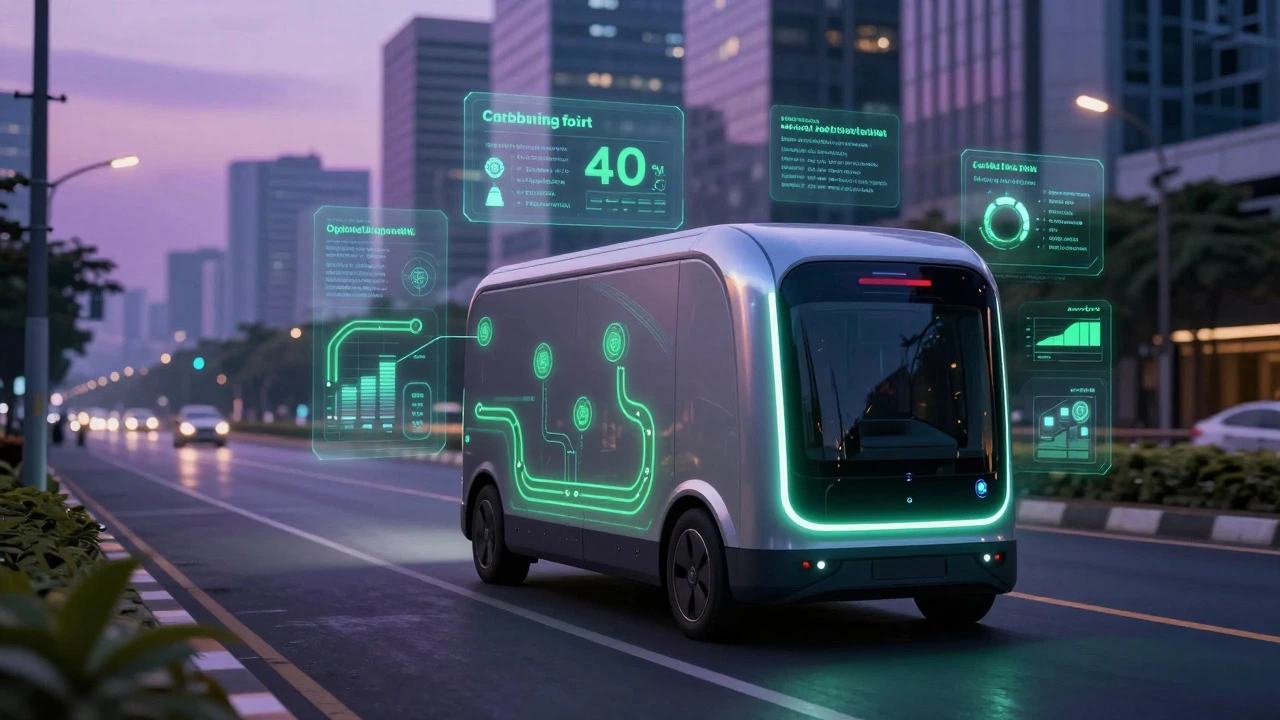
Sustainability Focus: Environmental concerns are pushing companies to adopt greener logistics practices. Platforms now include carbon footprint calculators and optimize routes to minimize fuel consumption. Regulations in the EU and UK are increasingly mandating transparency in emissions, making these features essential for compliance.
Blockchain for Transparency: Although still emerging, blockchain technology is gaining traction for its ability to provide immutable records of transactions. This is particularly useful in industries like pharmaceuticals and luxury goods, where provenance and authenticity are paramount. Smart contracts can automate payments upon delivery confirmation, reducing disputes.
Internet of Things (IoT): IoT sensors are providing deeper insights into the condition of goods during transit. Temperature-sensitive products like vaccines or perishable foods benefit greatly from continuous monitoring. If a refrigerated truck's temperature rises above a threshold, the platform alerts the team instantly, allowing for corrective action before spoilage occurs.
Selecting the Right Platform for Your Business
So, how do you choose the right logistics platform? Start by assessing your current pain points. Are you struggling with high shipping costs? Poor inventory accuracy? Lack of visibility? Identify your primary goals and look for platforms that excel in those areas.
Next, evaluate scalability. Will the platform grow with your business? Can it handle increased volume, additional warehouses, or international expansion? Avoid solutions that require a complete overhaul as you scale.
Finally, consider user experience. A complex interface leads to low adoption rates and errors. Look for platforms with intuitive dashboards, mobile accessibility, and responsive customer support. Remember, the best technology is useless if your team finds it difficult to use.
Is a logistics platform the same as a Transportation Management System (TMS)?
Not exactly. A TMS is a specific module within a broader logistics platform. While a TMS focuses primarily on transportation tasks like carrier selection and route optimization, a comprehensive logistics platform integrates TMS with Warehouse Management Systems (WMS), Order Management Systems (OMS), and analytics tools. Think of the TMS as one organ in the body, while the logistics platform is the entire organism working together.
How much does it cost to implement a logistics platform?
Costs vary widely depending on the size of your operation and the complexity of the solution. Small businesses might start with cloud-based SaaS subscriptions ranging from £500 to £2,000 per month. Larger enterprises implementing custom integrations and on-premise components could spend tens of thousands upfront, plus annual maintenance fees. Always factor in implementation, training, and potential customization costs when budgeting.
Can small businesses benefit from logistics platforms?
Absolutely. In fact, small businesses often see the highest return on investment because they typically have less legacy infrastructure to dismantle. Cloud-based platforms offer affordable entry points and scalable features. Automating routine tasks like label printing and tracking updates frees up valuable time for owners to focus on growth rather than administration.
What is the difference between a logistics platform and an ERP system?
An Enterprise Resource Planning (ERP) system manages internal business processes like finance, HR, and procurement. A logistics platform specializes in the movement and storage of goods. While ERPs may have basic logistics modules, dedicated logistics platforms offer deeper functionality for transportation, warehousing, and last-mile delivery. Most companies use both, with the logistics platform feeding data back into the ERP for financial reconciliation.
How long does it take to integrate a logistics platform?
Integration timelines depend on the complexity of your existing tech stack. Simple cloud-to-cloud integrations via APIs can take a few weeks. More complex setups involving legacy systems, custom data migrations, and extensive testing can take three to six months. Working closely with your vendor's implementation team and ensuring clean data beforehand can significantly speed up the process.