Logistic Software Cost & Savings Calculator
Estimate Your Potential Savings
See how logistic management software could reduce your costs based on your current operations
Your Potential Savings
Monthly Software Cost
Labor Cost Savings
Error Reduction Savings
Fuel Cost Savings
Total Monthly Savings
Tip: Based on your inputs, you could see a 3-5x return on investment within the first year. The average small business saves £1,200+ per month after implementation.
Logistic management software isn’t just another tech buzzword. It’s the backbone of how companies move goods from point A to point B-without delays, errors, or wasted money. If you’ve ever waited too long for a package, seen a wrong item shipped, or had a warehouse run out of stock at the worst possible time, you’ve felt the cost of not having the right system in place.
What Exactly Is Logistic Management Software?
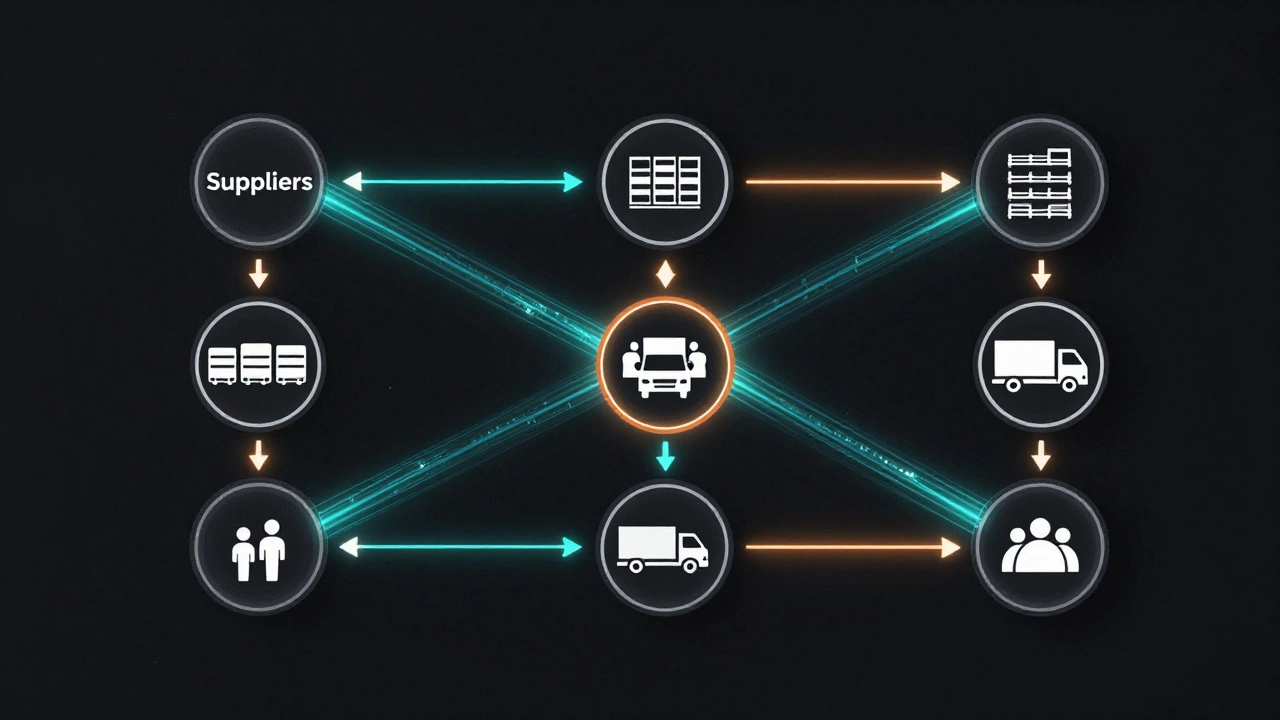
Logistic management software is a digital tool designed to plan, execute, and monitor the movement and storage of goods. It connects every part of the supply chain: from suppliers and warehouses to delivery trucks and final customers. Think of it as a central nervous system for your logistics operations.
This isn’t just for big corporations. Even small businesses with 10-50 employees use it daily. It tracks inventory levels, schedules shipments, assigns drivers, calculates delivery routes, and even alerts you when stock is running low. The best systems do all this automatically, cutting down manual work and human error.
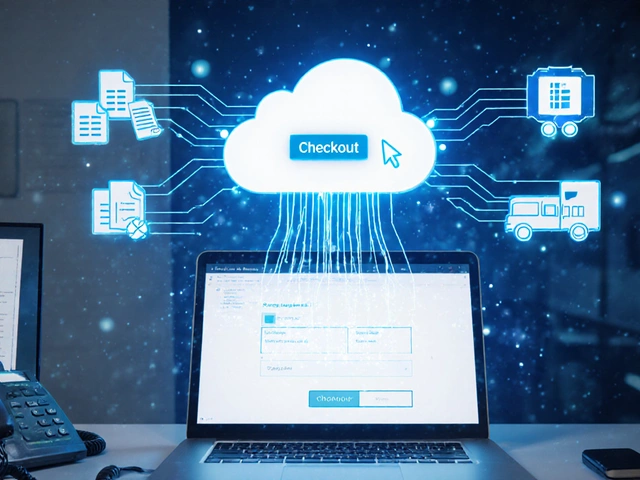
Unlike simple spreadsheets or basic inventory apps, logistic management software integrates with other tools you already use-like your e-commerce platform, accounting software, or carrier APIs. That means when a customer buys a product on your Shopify store, the software instantly updates inventory, picks the item from the right shelf, and books a courier-all without you lifting a finger.
How It Works: The Core Functions
Good logistic management software doesn’t just do one thing well. It handles five key tasks:
- Inventory tracking - Know exactly how many units you have, where they’re stored, and when they’ll run out. No more guessing or counting boxes by hand.
- Order fulfillment - Automatically assign orders to the nearest warehouse, pick items, pack them, and generate shipping labels.
- Route optimization - Calculates the fastest, cheapest delivery paths. One company in Bristol cut fuel costs by 22% after switching to a route planner with real-time traffic data.
- Carrier integration - Connects directly with FedEx, DHL, UPS, and local couriers. You get live rates, automatic tracking updates, and e-signatures.
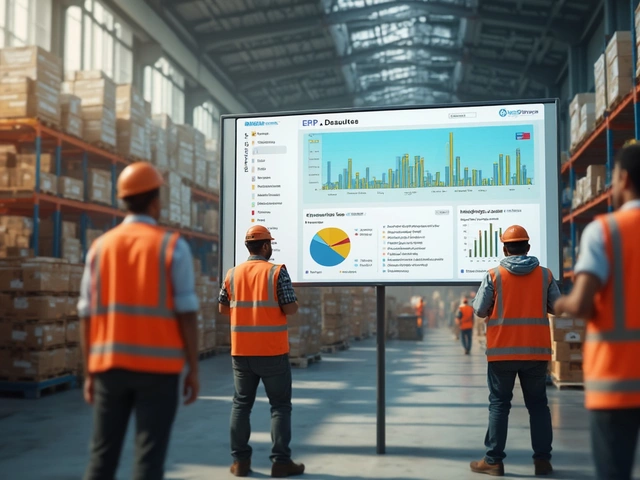
- Reporting and analytics - See which products move fastest, which routes are overused, and where delays happen. Data tells you what to fix before it breaks.
These functions don’t work in isolation. They talk to each other. For example, if inventory drops below a set level, the software can trigger a purchase order to your supplier. If a delivery is delayed, it can notify the customer automatically with a new ETA. That’s automation-not just convenience.
Who Uses This Software?
You might think only big logistics firms like DHL or Amazon use this. But that’s not true anymore. Here’s who’s actually using it today:
- E-commerce sellers - Those selling on Amazon, eBay, or their own websites. One online retailer in Bristol went from 300 orders a week to 1,200 without hiring extra staff-thanks to automated picking and shipping.
- Wholesalers and distributors - Companies that move pallets of goods to retailers. They use it to manage multiple warehouses and track shipments across regions.
- Manufacturers - Even factories use it to coordinate raw material deliveries and finished product shipments. One tool manufacturer in the West Country reduced lead times by 40%.
- Third-party logistics providers (3PLs) - These are companies that handle logistics for other businesses. Their entire business model depends on this software.
It’s not about size. It’s about volume and complexity. If you’re moving more than 50 shipments a week, you’re already losing money without it.

Key Features to Look For
Not all logistic management software is the same. Some are bloated. Others skip the essentials. Here’s what you need:
- Real-time tracking - Both for inventory and shipments. You should see where every box is at any moment.
- Barcode and RFID support - Scanning items is faster than typing. It reduces mistakes by up to 90%.
- Multi-warehouse support - If you store goods in more than one location, the software must know which one to pull from.
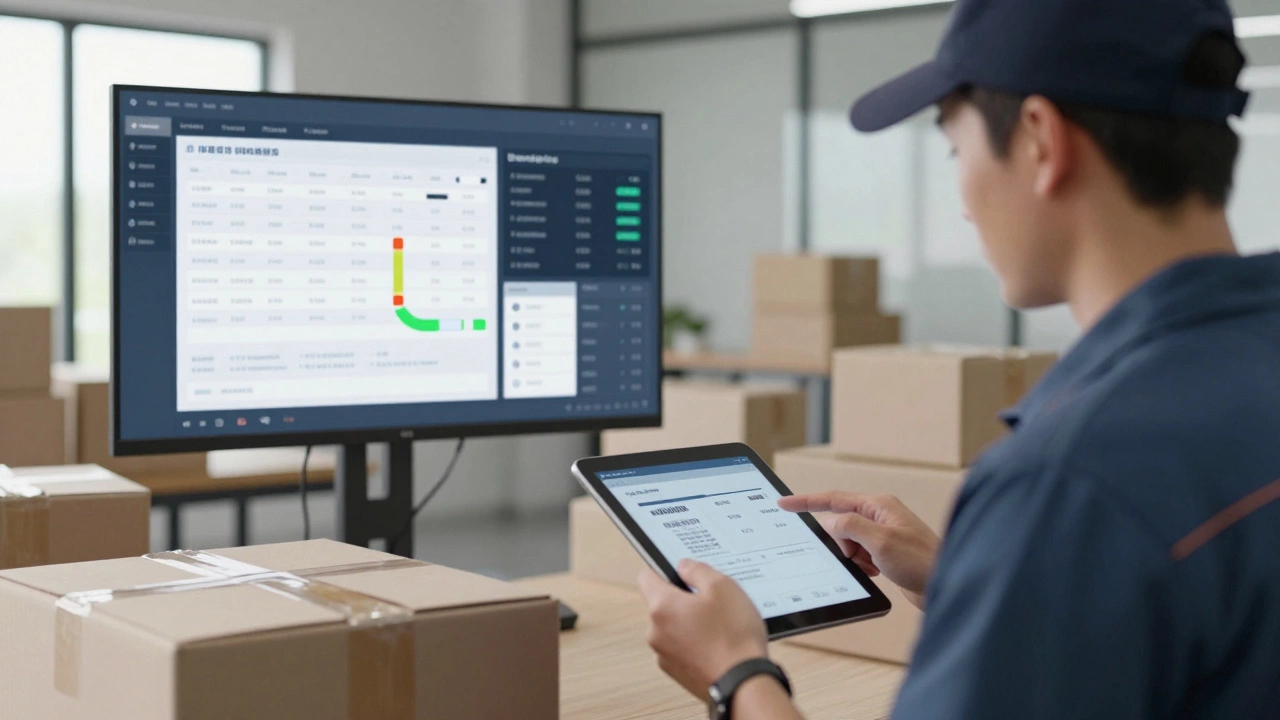
- Mobile access - Warehouse staff should be able to use it on tablets or phones while moving around.
- API access - It must connect to your website, ERP, or accounting system. If it can’t, you’ll be stuck doing double work.
- Scalability - Can it handle 500 orders tomorrow? Or will it crash? Look for cloud-based systems that grow with you.
One common mistake? Choosing software based on price alone. A cheap tool might save you £500 now but cost £20,000 in lost sales, late deliveries, and overtime next year.
Cost and Implementation
Most logistic management software is subscription-based. You pay monthly, not upfront. Prices vary:
- Small businesses (under 100 orders/week): £50-£150/month
- Mid-sized (100-500 orders/week): £200-£600/month
- Large operations (500+ orders/week): £800+/month
Setup usually takes 2-6 weeks. It includes connecting your systems, importing inventory data, training staff, and testing workflows. Don’t rush it. A bad setup leads to chaos.
Some providers offer free trials. Use them. Test with real data-not demo samples. See how long it takes to process a mock order. Does it feel smooth? Or clunky? That’s your answer.
What Happens Without It?
Businesses that skip logistic management software don’t just struggle-they bleed.
Here’s what typically goes wrong:
- Customers get the wrong item because someone picked from the wrong bin.
- Trucks sit idle because routes weren’t planned.
- Inventory counts are wrong, so you over-order or run out.
- You miss delivery deadlines because no one knew the shipment was late.
- You pay more for shipping because you’re not comparing carrier rates.
One small online retailer in the West Country lost £18,000 in sales over six months because of shipping errors. They blamed their staff. But the real problem? No software to catch the mistakes.
Logistics isn’t about working harder. It’s about working smarter.
Top Alternatives in 2026
There are dozens of options. Here are three that stand out based on real-world use:
| Software | Best For | Key Strength | Monthly Cost (Starting) |
|---|---|---|---|
| ShipBob | E-commerce startups | Integrated fulfillment centers | £99 |
| NetSuite | Growing businesses with ERP needs | Full supply chain visibility | £499 |
| Flexe | Companies with multiple warehouses | On-demand warehouse access | £199 |
ShipBob is great if you’re just starting out. NetSuite is for businesses that need finance and logistics in one system. Flexe is ideal if you don’t own a warehouse but need space when demand spikes.
Getting Started
If you’re ready to try it, here’s how:
- Map out your current process. Where do delays happen? Where do mistakes occur?
- Write down your must-have features. Don’t get distracted by flashy extras.
- Sign up for two free trials. Test them with real orders.
- Ask your team. The people using it daily should have a say.
- Start small. Connect one warehouse and one carrier. Expand later.
You don’t need to automate everything at once. Start with what hurts the most. Usually, that’s order accuracy or delivery delays.
Final Thought
Logistic management software isn’t about being high-tech. It’s about being reliable. Customers don’t care how fancy your system is. They care if their package arrives on time, intact, and exactly as ordered.
That’s what this software delivers. Not magic. Just better, smarter, quieter operations.
Is logistic management software the same as warehouse management software?
Not exactly. Warehouse management software (WMS) focuses only on what happens inside the warehouse-like picking, packing, and inventory storage. Logistic management software covers the entire supply chain, including transportation, carrier selection, delivery tracking, and customer notifications. A WMS is usually one part of a larger logistic system.
Can small businesses afford logistic management software?
Yes. Many tools start at under £100 per month. For businesses moving more than 50 shipments a week, the cost is often offset by reduced labor, fewer errors, and faster deliveries. One Bristol-based retailer saved £3,200 in labor costs in three months after switching to a £120/month system.
Do I need to hire IT staff to use this software?
No. Most modern systems are cloud-based and designed for non-tech users. You’ll need someone to manage setup and train staff, but once it’s running, daily use requires no coding or technical skills. Many providers offer onboarding support and video tutorials.
Can logistic software help with international shipping?
Absolutely. Top systems handle customs documentation, duty calculations, multi-currency pricing, and carrier-specific international rules. One user in Bristol automated customs forms for EU shipments and cut processing time from 2 hours to 15 minutes per order.
What happens if the software goes down?
Most reputable providers guarantee 99.9% uptime and back up data daily. They also offer offline modes for basic functions like scanning barcodes. If your system fails, your carrier and warehouse can still operate manually-but you’ll lose automation. That’s why choosing a reliable provider matters more than price.
Logistic management software doesn’t replace people. It frees them from repetitive tasks so they can focus on solving real problems-like customer service, supplier relationships, and growth.