Freight Forwarding Needs & Mode Estimator
Enter your shipment details to see if a dedicated freight forwarder is recommended and which transport mode might suit your needs.
Recommendation
Mode Name
Description
You’ve probably heard the term freight forwarder thrown around in business meetings or seen it on shipping labels. But what does this person actually do? Are they the ones driving the truck? No. Do they own the cargo ship? Usually not. So why are they essential to getting your goods from point A to point B?
Think of a freight forwarder as a travel agent for your cargo. When you book a holiday, you don’t necessarily talk to the airline, the hotel, and the car rental company separately. You use an agent who bundles these services, handles the bookings, and solves problems when flights get cancelled. A freight forwarder does exactly that, but for pallets, containers, and boxes moving across borders.
| Responsibility | Description | Who else could do it? |
|---|---|---|
| Negotiating Rates | Securing competitive prices from carriers (air, sea, road). | Large companies with dedicated logistics teams. |
| Booking Space | Reserving capacity on ships or planes. | The shipper directly, if they have contracts. |
| Documentation | Preparing bills of lading, commercial invoices, and packing lists. | A trained administrative staff member. |
| Customs Clearance | Liaising with customs brokers to ensure legal entry. | A separate customs broker. |
| Troubleshooting | Handling delays, damages, or lost shipments. | The shipper, often causing significant stress. |
The Core Job: Moving Goods Without Owning Them
The most confusing part about freight forwarding is that these companies rarely own the vehicles moving the goods. They are intermediaries. Their primary asset is knowledge and relationships. They know which Maersk container has space next week, which air carrier offers the best rate for urgent electronics, and which port in Rotterdam is currently congested.
When you hire a forwarder, you aren't buying transportation; you're buying coordination. They consolidate small shipments into larger loads to save money. For example, if you’re sending ten boxes from Bristol to Germany, it’s expensive to send them alone. A forwarder groups your boxes with other shippers' goods to fill a truck or container. This process, known as consolidation, drastically reduces costs per unit.
Documentation: The Paperwork That Matters
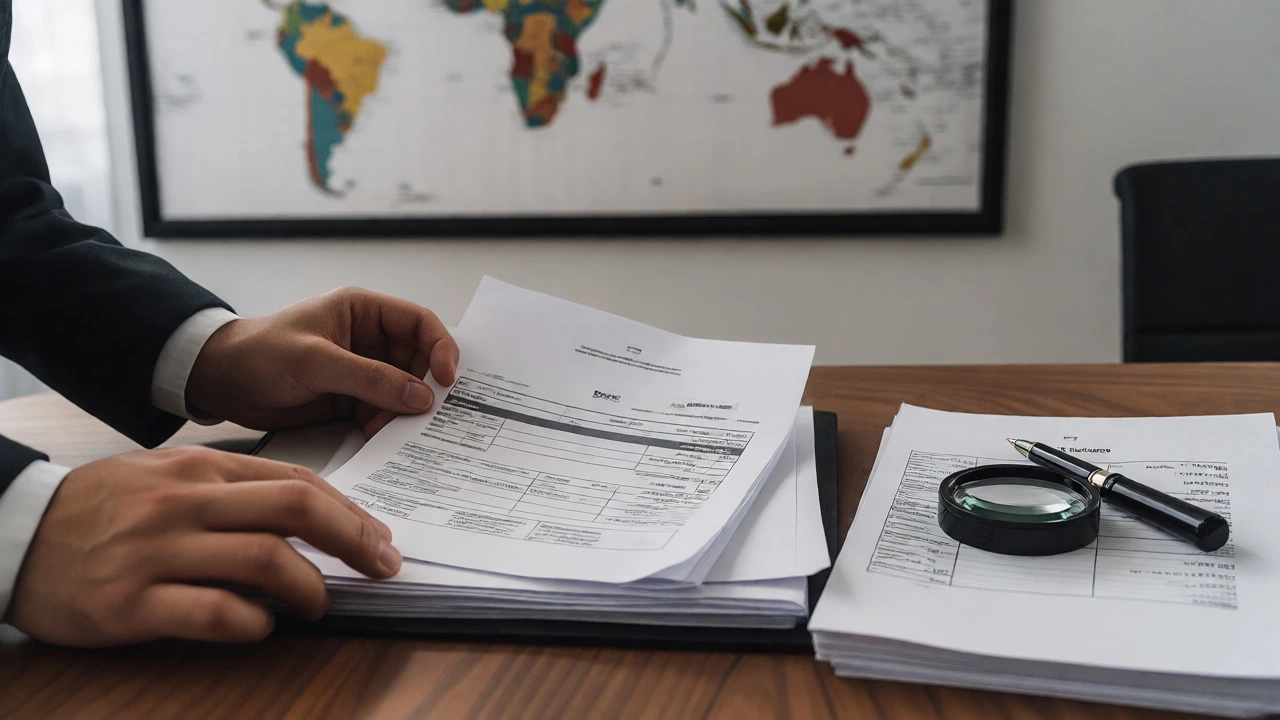
If there is one area where mistakes cost real money, it’s paperwork. International trade requires specific documents, and missing one can leave your cargo stuck at a border for days. A freight forwarder manages this entire ecosystem.
- Bill of Lading (BoL): This is the contract between the carrier and the shipper. It acts as a receipt for the goods and a document of title. If you lose this, you might not be able to claim your goods.
- Commercial Invoice: Customs officials use this to determine the value of the goods and calculate duties and taxes.
- Packing List: Details exactly what is in each package, helping inspectors verify contents without opening every box.
- Certificate of Origin: Proves where the goods were made, which can affect tariff rates under free trade agreements.
Imagine trying to file all this yourself while running a business. One typo in the Harmonized System (HS) code-the international classification number for products-can result in fines or delayed clearance. Forwarders have specialists whose sole job is ensuring these codes match the physical goods perfectly.
Customs Clearance and Compliance
While some forwarders handle customs themselves, many partner with licensed customs brokers. Regardless of who does the filing, the forwarder ensures the goods comply with import regulations. This includes checking for restricted items, verifying licenses for hazardous materials, and ensuring proper labeling.
Post-Brexit, UK businesses importing from Europe faced new hurdles. Many small e-commerce sellers didn’t realize they needed EORI numbers or that VAT rules had changed. A good forwarder flags these issues before the shipment leaves the factory floor. They act as a compliance shield, preventing your goods from being seized or returned.
Choosing the Right Transport Mode
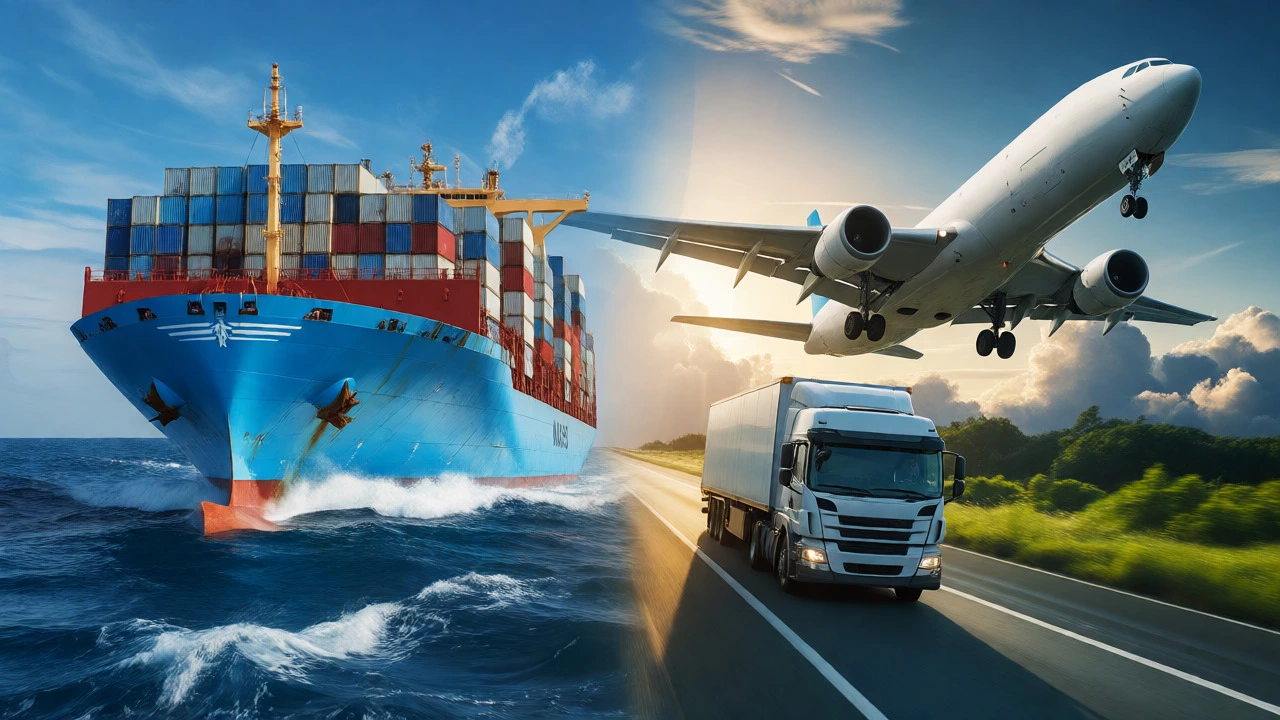
Not all freight moves the same way. Your choice depends on urgency, budget, and product type. Here is how forwarders help you decide:
| Mode | Speed | Cost | Best For |
|---|---|---|---|
| Air Freight | Fastest (1-3 days) | Highest | High-value, perishable, or urgent goods. |
| Sea Freight | Slowest (2-6 weeks) | Lowest | Bulk commodities, heavy machinery, non-urgent retail stock. |
| Road Freight | Moderate (Days) | Moderate | Domestic deliveries or cross-border within Europe. |
| Rail Freight | Moderate-Slow | Moderate-Low | Long-distance overland transport (e.g., China-Europe). |
A skilled forwarder doesn’t just take your order; they advise. If you tell them you need sneakers in London by Black Friday, they won’t suggest sea freight unless you started planning six months ago. They will look for multimodal options-perhaps flying the goods to a hub and then using trucks for the last mile-to balance speed and cost.
Tracking and Visibility
Gone are the days when you’d call a warehouse only to hear “we’ll check.” Modern forwarders provide digital tracking platforms. You can see exactly where your container is, whether it’s been loaded onto the vessel, or if it’s sitting in a customs bond. This visibility allows you to update customers accurately and manage inventory levels more effectively.
However, technology isn’t magic. If a storm delays a ship in the Suez Canal, no app can fix it. But a proactive forwarder will alert you immediately, offering alternatives like re-routing or expedited delivery once the backlog clears. This human intervention is where their true value shines.
When Do You Need a Freight Forwarder?
Do you always need one? Not necessarily. If you are sending a single parcel via DHL or FedEx, the courier handles everything. You are essentially using a simplified form of forwarding built into the courier service.
You definitely need a dedicated forwarder when:
- You are shipping full containers (FCL) or large partial loads (LCL).
- You are dealing with complex international regulations.
- You need consolidated shipping to save costs.
- Your goods require special handling (temperature-controlled, hazardous, oversized).
For small businesses scaling up, hiring a forwarder is often cheaper than employing an in-house logistics manager. It frees you to focus on sales and product development rather than worrying about port strikes or fuel surcharges.
Frequently Asked Questions
What is the difference between a freight forwarder and a carrier?
A carrier (like Maersk, British Airways Cargo, or DPD) owns and operates the physical means of transport (ships, planes, trucks). A freight forwarder does not usually own these assets. Instead, the forwarder arranges the movement by booking space with carriers, handling documentation, and managing the end-to-end logistics process on behalf of the shipper.
How do freight forwarders make money?
Forwarders typically earn money through a combination of methods. They may charge a flat service fee for handling the shipment. More commonly, they negotiate bulk rates with carriers and sell space to clients at a markup. This margin covers their operational costs and profit. Some also earn commissions from insurance providers or warehousing partners.
Can I ship internationally without a freight forwarder?
Yes, you can, especially for small parcels using integrated courier services like UPS or FedEx. However, for larger commercial shipments involving pallets or containers, going direct is risky. You would need to arrange customs clearance, insurance, and inland transport yourself. Mistakes in documentation can lead to hefty fines and delays, making a forwarder’s expertise valuable even for smaller businesses.
What happens if my goods are damaged during transit?
Liability depends on the terms agreed upon. Carriers have limited liability based on weight or value (often defined by conventions like the Hague-Visby Rules). Freight forwarders can arrange cargo insurance to cover the full replacement value. If damage occurs, the forwarder helps file the claim, providing necessary documentation like photos and inspection reports to support your case.
Is freight forwarding expensive?
It varies. For small shipments, courier services might seem cheaper upfront. However, for bulk goods, forwarders save money through consolidation and negotiated rates. The cost includes the transport itself, plus fees for customs brokerage, documentation, and handling. While there is a service fee, avoiding penalties, storage charges at ports, and incorrect duty payments often makes using a forwarder more cost-effective overall.