E-commerce Shipping Cost & DIM Weight Estimator
Package Dimensions
Billing Analysis
Pro Tip: Reduce your box size to lower your billable weight.
What is happening here?
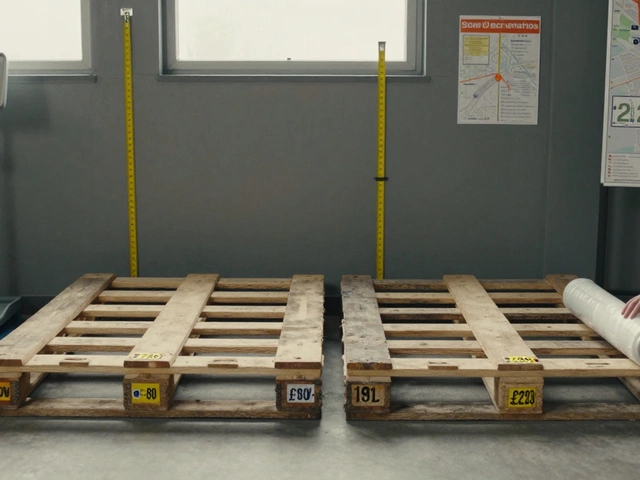
Carriers charge based on whichever is greater: the Actual Weight or the Dimensional (DIM) Weight. If your package is large but light, you are paying for the space it occupies in the truck, not just its weight.
Key Takeaways for Your Shipping Strategy
- Shipping isn't just delivery; it's a full cycle from order placement to the 'unboxing' experience.
- Your choice of fulfillment (in-house vs. 3PL) dictates your scalability and profit margins.
- The 'last mile' is the most expensive and risky part of the entire journey.
- Automation in labeling and tracking is no longer optional for growing stores.
The Journey from Checkout to Doorstep
The moment a customer hits the checkout button, the physical process doesn't actually start-the digital one does. The order is transmitted via an API from the storefront to a warehouse management system. This is where the first critical step, Order Fulfillment is the complete process from receiving a customer's order to delivering the product to the buyer, begins.
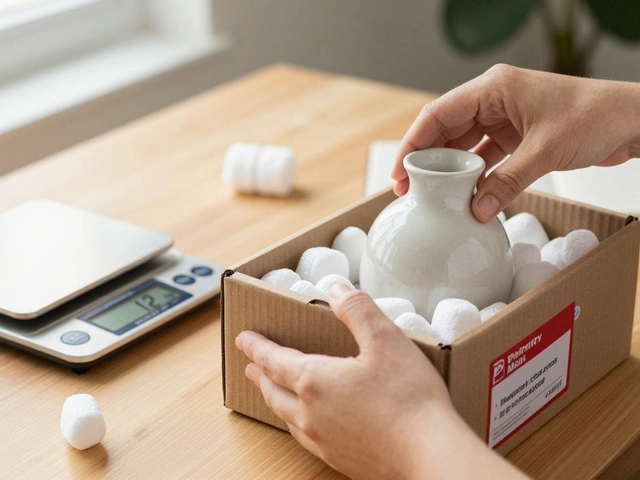
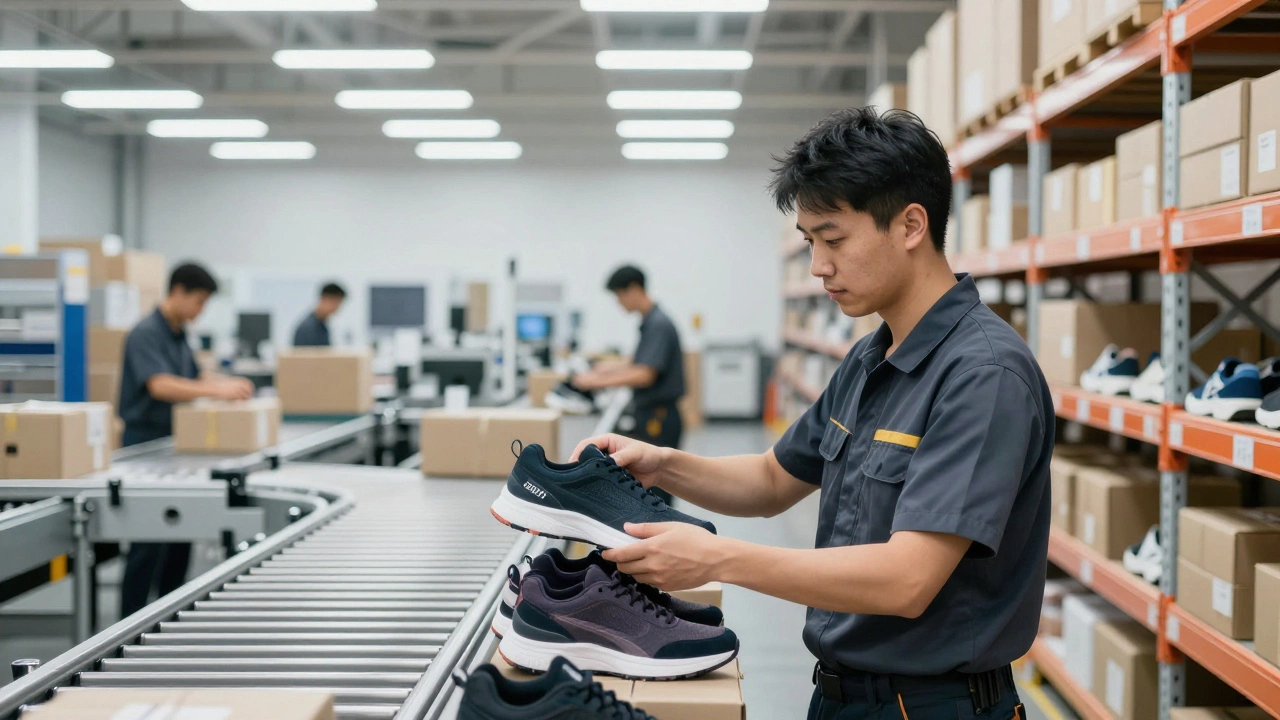
First, a 'pick list' is generated. In a modern warehouse, a worker (or a robot) navigates to a specific bin to grab the item. Then comes 'packing.' This isn't just about putting things in a box; it's about choosing the right dimensions to avoid paying for 'dimensional weight.' If you ship a small lipstick in a giant box, you're essentially paying the carrier to transport air. Once packed, the system generates a shipping label containing the tracking number and routing codes.
The package then moves to the shipping dock. Here, it's sorted by the Shipping Carrier, which is a company that transports goods from one location to another, such as DHL, FedEx, or Royal Mail. These carriers don't just drive the package to the customer's house immediately. They move it to a regional sorting hub, where thousands of packages are grouped by zip code or postcode before being sent to a local delivery center.
Choosing Your Fulfillment Model
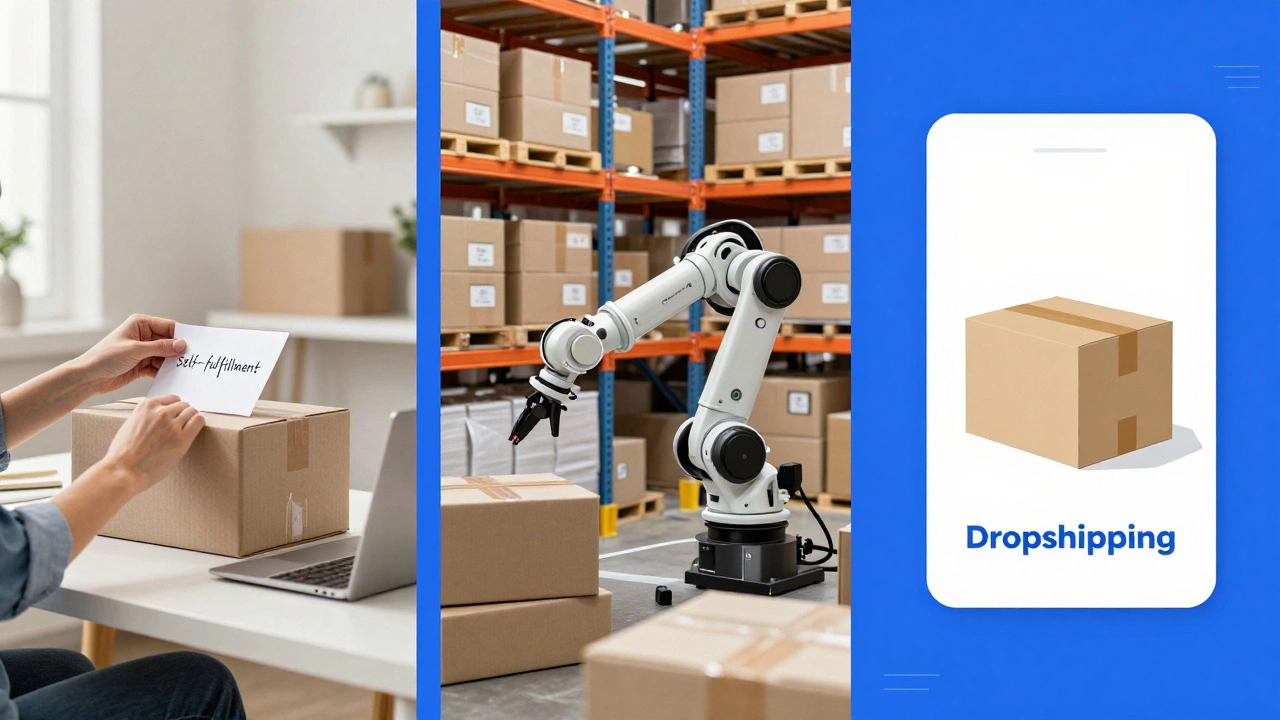
You have to decide who actually touches the product. This decision changes your overhead and your control over the customer experience. Most sellers fall into one of three camps: self-fulfillment, third-party logistics, or dropshipping.
Self-fulfillment means you own the inventory and do the packing. It's great for quality control. You can add a handwritten note or a free sample, which builds huge loyalty. But as soon as you hit 50 orders a day, your living room becomes a warehouse and your time disappears. Then there's 3PL (Third-Party Logistics), which is an outsourced provider that handles warehousing, picking, packing, and shipping for e-commerce businesses. You send your stock to their facility, and they handle the rest. You pay for the space and the service, but you gain the ability to scale instantly.
Finally, dropshipping removes the inventory entirely. You sell a product, and the supplier ships it directly to the customer. While this eliminates storage costs, you have zero control over packaging quality or shipping speed. If the supplier sends the wrong item, the customer blames you, not them.
| Feature | Self-Fulfillment | 3PL (Outsourced) | Dropshipping |
|---|---|---|---|
| Control | High | Medium | Low |
| Upfront Cost | Low | Medium | Very Low |
| Scalability | Low | High | Infinite |
| Shipping Speed | Variable | Fast/Optimized | Slow (often) |
Decoding the Last Mile Delivery
The most stressful part of the process is the Last Mile Delivery, which is the final step of the delivery process where a parcel is moved from a distribution center to the end user's home. This is where most failures happen-wrong addresses, missed deliveries, or packages left in the rain. It is also the most expensive leg of the journey because the vehicle has to stop at dozens of individual homes rather than one big hub.
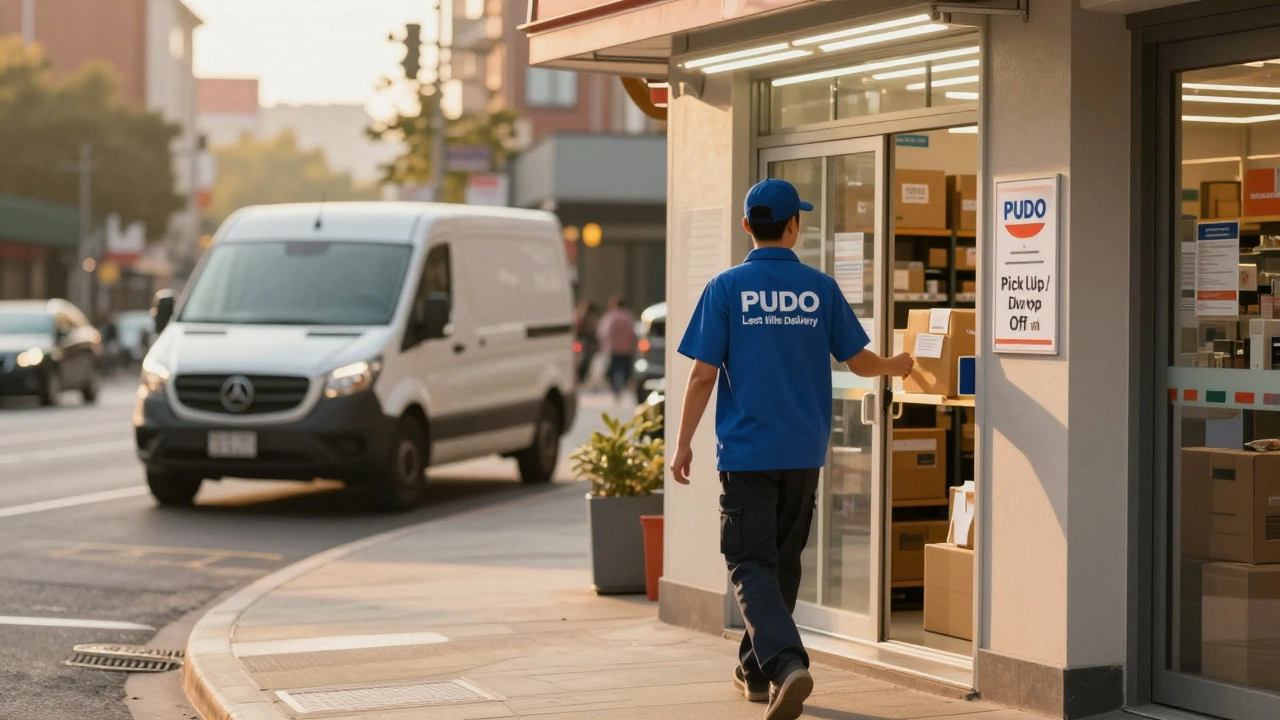
To fix this, many companies are turning to 'PUDO' points (Pick Up/Drop Off). Instead of a driver attempting to find a hidden apartment door in a crowded city, they drop the package at a local convenience store. This reduces the number of failed delivery attempts and lowers the carbon footprint of the delivery van. For the customer, it means they don't have to stay home all day waiting for a courier who might arrive at 2 PM or 8 PM.
Managing Shipping Costs and Rates
Shipping can eat your margins alive if you aren't careful. Carriers use a calculation called 'Dimensional Weight' (DIM weight). They don't just look at how much a package weighs on a scale; they look at how much space it takes up in the truck. If you ship a lightweight but bulky item, like a large pillow, you'll be charged based on the volume, not the weight.
To manage this, successful sellers use a few different pricing strategies. 'Free Shipping' is the most powerful psychological tool in e-commerce. Customers would rather pay $25 for a product with free shipping than $20 for a product with $5 shipping. To make this work, you bake the shipping cost into the product price. Alternatively, you can offer 'Flat Rate Shipping,' which simplifies the checkout process and makes your costs predictable.
Another pro move is using Shipping Software, which is digital tools that allow merchants to compare carrier rates, print labels in bulk, and automate tracking notifications. Tools like ShipStation or Shopify Shipping allow you to see a real-time comparison between Royal Mail, DPD, and FedEx, ensuring you always pick the cheapest option that meets your delivery deadline.
Navigating International Shipping Complexity
Crossing a border adds layers of bureaucracy. When a package leaves the UK for the USA or EU, it enters the realm of Customs Clearance, which is the process of presenting required documents to a government authority to permit the entry or exit of goods. This is where many beginners fail-they forget to include a Commercial Invoice.
Without a proper invoice detailing the value and nature of the goods, the package will likely be held at customs. The customer then gets a surprise bill for VAT (Value Added Tax) or import duties before they can receive their item. This leads to an immediate negative review. To avoid this, savvy sellers use DDP (Delivered Duty Paid). This means the seller calculates and collects the taxes at checkout, paying them on behalf of the customer. It's more work for the seller, but it creates a seamless experience for the buyer.
Avoiding Common Shipping Pitfalls
One of the biggest mistakes is over-promising on delivery times. Telling a customer they'll get their package in '2-3 days' when you're using a slow economy service is a recipe for disaster. Be honest about 'Processing Time' versus 'Shipping Time.' Processing is the time it takes to pick and pack; shipping is the time the carrier takes to move the box.
Another trap is neglecting the return process. Reverse logistics-the flow of goods from the customer back to the warehouse-is often ignored. If returning an item is a nightmare, people won't buy from you. Providing a pre-paid return label or a digital return portal makes the purchase feel lower-risk for the customer.
What is the difference between a 3PL and a courier?
A 3PL (Third-Party Logistics) provider manages your entire supply chain, including storing your products in a warehouse, packing them, and organizing the shipping. A courier, on the other hand, is only responsible for the physical transportation of the package from the pickup point to the final destination. In short: the 3PL handles the 'what and how,' and the courier handles the 'where and when.'
How do I reduce my shipping costs?
Start by optimizing your packaging to reduce dimensional weight-use the smallest box possible. Negotiate volume discounts with carriers if you ship consistently. You can also use shipping software to compare rates across different providers in real-time and choose the most cost-effective option for each specific destination.
What is DDP and why does it matter for international shipping?
DDP stands for Delivered Duty Paid. It means the seller takes responsibility for all taxes, duties, and customs fees. This is critical because it prevents the customer from receiving an unexpected bill from customs before they can get their package, which significantly improves the customer experience and reduces the rate of refused shipments.
How does dimensional weight actually work?
Carriers calculate dimensional weight by multiplying the length, width, and height of a package and dividing it by a 'dim factor' (a number set by the carrier). If the resulting dimensional weight is higher than the actual weight on a scale, the carrier charges you for the higher number. This ensures they make money on bulky items that take up a lot of room in their trucks.
Is dropshipping better than holding my own inventory?
It depends on your goals. Dropshipping is better for testing new products with zero financial risk since you don't buy stock upfront. However, holding your own inventory (or using a 3PL) allows you to control quality, ensure faster shipping, and brand your packaging, which is essential for building a long-term, reputable brand.