Courier Shipping Eligibility Checker
Package Details
Result Title
Summary text goes here.
Shipping Advice:
Enter your package details to see if it can be shipped via standard courier.
Ever stood in your hallway staring at a box, wondering if it’s too big, too heavy, or just plain weird for the courier to pick up? It happens to the best of us. You’ve bought something fragile, you’re sending a gift across town, or maybe you’re an online seller trying to figure out what fits in a standard envelope versus a bulky crate. The short answer is: couriers carry almost everything. But “almost” is the keyword here. There are hard limits, soft rules, and plenty of gray areas that can get your package stuck at a depot or returned to sender.
Understanding what goes through the postal network isn’t just about avoiding rejection fees. It’s about getting your item there safely, on time, and without legal headaches. Whether you’re shipping a signed jersey or a pallet of industrial parts, knowing the rules saves you money and stress. Let’s break down exactly what couriers take, what they refuse, and how to pack it right.
The Everyday Essentials: What Couriers Carry Most Often
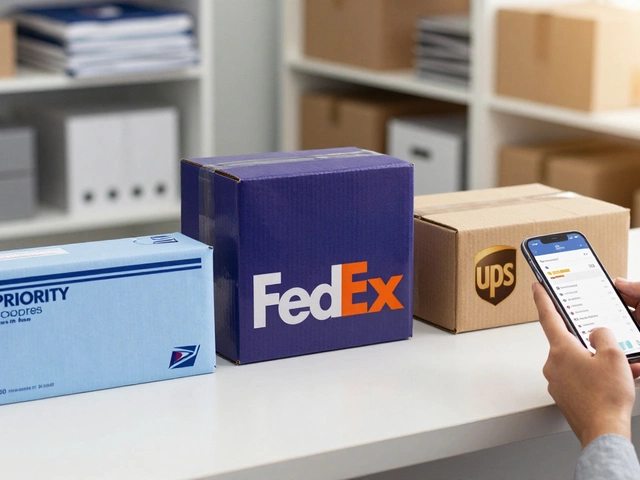
If you look at any major courier service that handles small to medium parcels for consumers and businesses, the bulk of their volume consists of retail goods. Think Amazon orders, eBay purchases, and direct-to-consumer brand shipments. These are the bread and butter of the industry. Clothing, electronics, books, and home accessories make up the vast majority of daily deliveries. Why? Because they’re standardized. They fit into predictable size brackets, they’re generally non-hazardous, and they don’t require special handling equipment beyond a sturdy van and a scanner.
Documents are another huge category. Legal contracts, tax returns, university applications, and medical records still rely heavily on physical mail. While digital signatures are growing, many institutions still demand wet ink. For these items, speed and security matter more than weight. That’s why document envelopes with tracking numbers are so popular. You want proof of delivery, not just a hope that it arrived.
- Retail Goods: Clothes, shoes, gadgets, cosmetics.
- Documents: Contracts, certificates, invoices, passports.
- Personal Items: Gifts, memorabilia, spare keys.
- Medical Supplies: Non-controlled medications, test kits, personal protective equipment (PPE).
One thing to note here is the rise of "click and collect" vs. home delivery. Even when you choose home delivery, the item itself hasn’t changed-it’s still a shoebox or a tablet. But the expectation has shifted. People expect real-time tracking. If you’re sending these everyday items, ensure your packaging is tamper-evident. A simple plastic bag inside a cardboard box won’t cut it anymore; recipients want to know the seal was intact.
Fragile, Heavy, and Oddly Shaped: The Tricky Stuff
Now we move into the zone where things get interesting. Can you send a glass vase? Yes. Can you send a piano? Technically yes, but probably not with the same guy who delivers your pizza. This is where the distinction between a standard courier and a freight forwarder becomes critical.
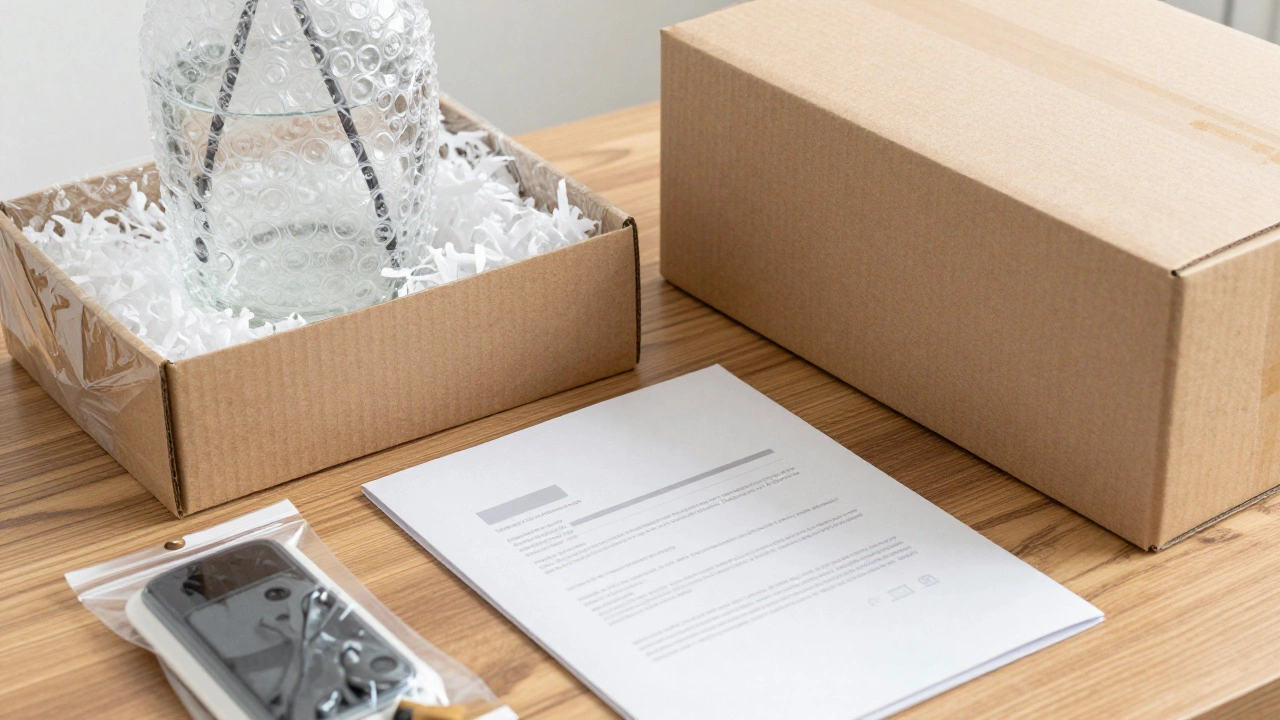
Fragile items like ceramics, glassware, and high-end electronics require specific packing protocols. Couriers will accept them, but they often waive liability if the item breaks upon arrival unless you pay for extra insurance. The rule of thumb? If it would break if dropped from waist height, treat it as fragile. Use bubble wrap, void fill, and double-boxing. Double-boxing means putting the item in a smaller box with padding, then placing that box inside a larger box with more padding. It adds weight, but it saves your sanity.
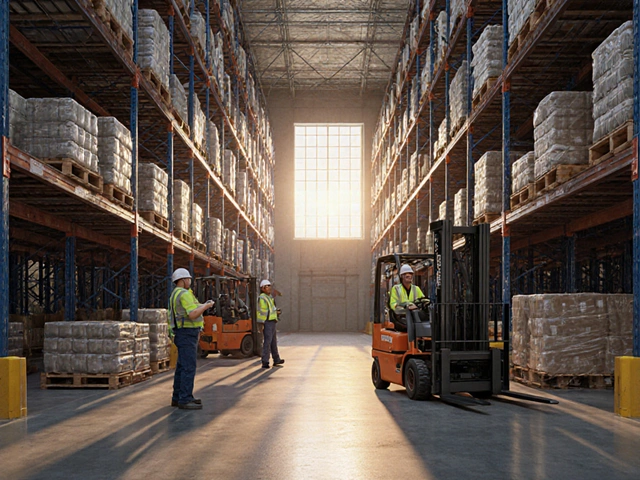
Heavy items present a different challenge. Most standard couriers have a weight limit per package-usually around 30kg to 70kg depending on the carrier. Anything heavier needs a palletized solution. If you’re moving furniture or industrial machinery, you aren’t looking for a letterbox drop-off. You need a tail-lift vehicle and two-person handling teams. In the UK, companies like Yodel, DPD, and Evri have specific divisions for "large parcels" or "freight." Mixing these up leads to delays. Don’t try to sneak a 50kg engine block into a standard parcel slot; it will get rejected at the sorting hub.
| Item Category | Packing Requirement | Typical Weight Limit | Insurance Recommendation |
|---|---|---|---|
| Fragile (Glass/Ceramics) | Double-boxed, void fill | Up to 30kg | Mandatory full value |
| Electronics | Anti-static bags, rigid boxes | Up to 30kg | Highly recommended |
| Furniture/Large Appliances | Palletized, shrink-wrapped | Over 70kg | Required for high-value |
| Documents | Padded envelope, waterproof | Under 2kg | Standard tracking sufficient |
The Hard No: Prohibited and Restricted Items
This is the section that keeps compliance officers awake at night. There are items that couriers simply cannot touch. These restrictions exist for safety, legal, and ethical reasons. Trying to smuggle these through will result in confiscation, fines, or even criminal charges.
First up: Hazardous Materials. This includes explosives, flammable liquids (like gasoline or certain paints), corrosives (acids), and toxic substances. You cannot put bleach in a parcel and hope it doesn’t leak. If it leaks, it endangers the driver, the warehouse staff, and other packages. Some hazardous materials can be shipped, but only by licensed specialists using certified containers and documentation. Regular couriers will reject them instantly.
Second: Illegal Substances. Drugs, counterfeit goods, and stolen property are obvious no-gos. But it also extends to things like pirated media or unauthorized replicas of branded items. Customs agents scan for these regularly, especially on international routes.
Third: Perishables and Live Animals. Standard couriers do not transport live animals. There are specialized pet relocation services for that. As for food, fresh meat, dairy, and produce spoil quickly. Unless you’re using a dedicated cold-chain logistics provider with temperature-controlled vehicles, your steak will arrive as a biohazard. Frozen items are slightly easier if packed with dry ice, but even then, airlines restrict the amount of dry ice allowed on board.
- Explosives & Flammables: Fireworks, lighter fluid, aerosols (in large quantities).
- Narcotics & Weapons: Illegal drugs, firearms, ammunition, knives (sometimes allowed with strict declaration).
- Live Organisms: Pets, plants (often restricted due to quarantine laws), insects.
- Human Remains: Requires specialized funeral transport services.
A common misconception is that batteries are always banned. They aren’t, but lithium-ion batteries are considered dangerous goods because they can catch fire if damaged. Many couriers allow them if they’re installed in devices (like a laptop) and turned off. Loose batteries often require specific labeling and packaging to prevent short circuits. Always check the carrier’s specific policy on lithium cells before shipping.
High-Value Goods: Jewelry, Cash, and Collectibles
Can you send cash? Most couriers say no. Why? Because once it’s in the mail, it’s untraceable. If a thief robs the truck, they can’t distinguish your £1,000 bill from the background noise of commerce. Insurance policies rarely cover cash sent via standard courier. If you must send money, use a bank transfer or a secure financial institution service.
Jewelry and precious metals are different. You can send them, but you should never declare them as "jewelry" on the customs form if you’re going international. Instead, describe them generically, like "metal accessories," and insure them separately. However, within domestic borders, declaring the true value is safer for insurance claims. Just make sure the recipient is available to sign for it. Never leave a diamond ring in a letterbox.
Collectibles like trading cards, stamps, and coins fall into a similar bucket. Their value is subjective but real. Graded cards in slabs are particularly sensitive to impact. Use rigid mailers rather than soft envelopes. And again, insurance is key. The cost of insuring a rare Pokémon card might seem high, but losing it is far worse.
International Shipping: Borders Add Complexity
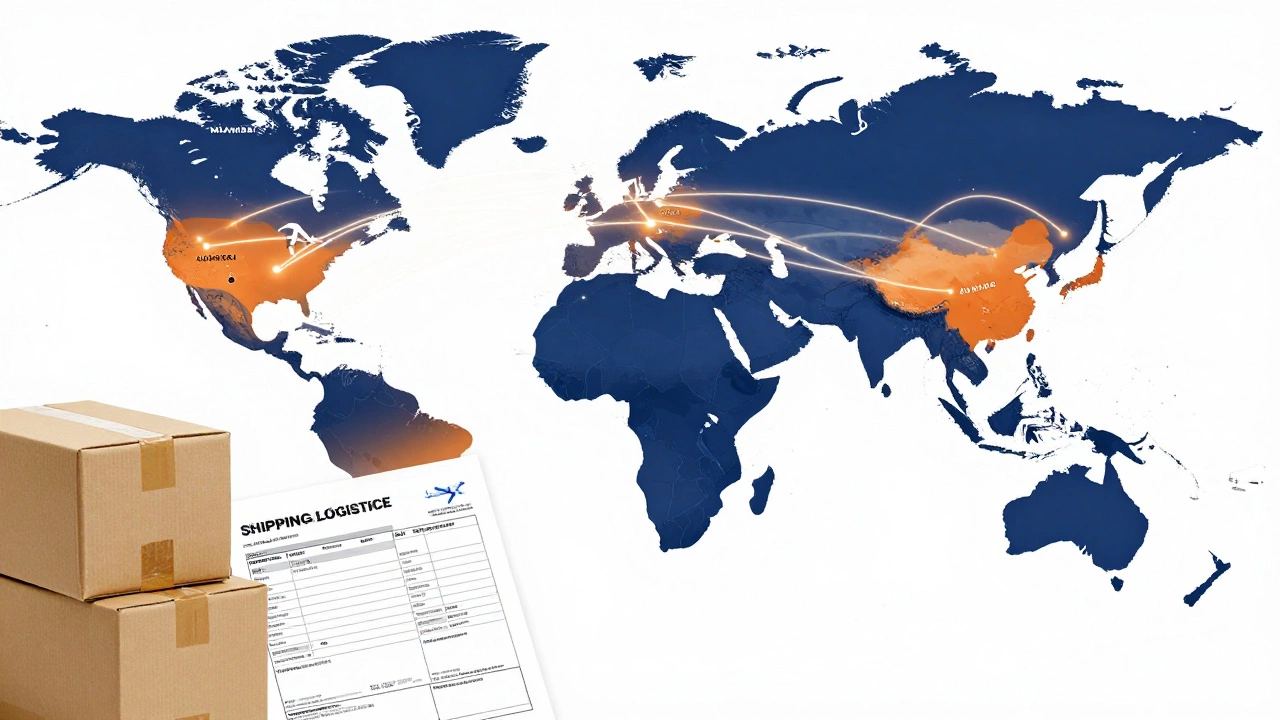
When a package crosses a border, it stops being just a parcel and becomes a trade commodity. Suddenly, you need HS Codes (Harmonized System codes), commercial invoices, and possibly import licenses. This is where most people get stuck.
For example, sending cosmetics to the EU requires compliance with REACH regulations regarding chemical ingredients. Sending food to the US requires FDA approval. If you don’t provide the correct paperwork, your package sits in customs limbo for weeks, accruing storage fees. Eventually, it gets destroyed or returned.
Duties and taxes are another headache. The sender doesn’t usually pay these; the receiver does. But if the receiver refuses to pay, the package bounces back. You, the sender, are now liable for return shipping costs plus the original fee. To avoid this, consider DDP (Delivered Duty Paid) shipping, where you pre-pay the duties. It makes the customer experience smoother, even if it eats into your margin.
Packaging Matters More Than You Think
You can have the right item, the right insurance, and the right paperwork, but if you pack it poorly, it’s game over. Couriers handle packages roughly. They throw them, stack them, and drive over bumps. Your job is to create a shock-absorbing environment.
Use new boxes whenever possible. Recycled boxes often have weakened corners and hidden tape residue that causes jams in automated sorting machines. Seal seams with the H-tape method: one strip down the center, one strip across each side. This prevents the box from opening under pressure.
Label placement is also crucial. Put the label on the largest flat surface. Avoid wrapping labels around edges-they tear. And keep the barcode clear. If a scanner can’t read it, your package gets manually sorted, which slows it down by days.
Choosing the Right Service Level
Not all deliveries are created equal. Do you need it there tomorrow, or next week? This decision drives cost and reliability.
- Same Day: Expensive, but great for urgent documents or local e-commerce. Limited geographic range.
- Next Day: The standard for business-critical shipments. Reliable tracking, signature on delivery.
- Economy (3-5 Days): Cheaper, slower. Good for non-urgent retail goods. Less frequent tracking updates.
- Courier vs. Post: National posts (like Royal Mail) are cheaper for small, light items. Private couriers (like DHL, FedEx) offer better tracking, faster speeds, and higher weight limits.
If you’re a business, mix these services. Use economy for low-margin items and next-day for high-value or time-sensitive orders. This balances customer satisfaction with profitability.
Can I send perfume via courier?
Yes, but with restrictions. Perfume contains alcohol, which is flammable. Small bottles (under 100ml) in retail packaging are usually fine. Larger quantities or loose alcohol may be classified as hazardous materials and require special handling or may be prohibited entirely by air transport.
What is the maximum weight for a standard courier package?
Most standard couriers accept packages up to 30kg or 70lbs. Heavier items require freight services or pallet delivery. Always check the specific carrier’s website, as limits vary. Dimensions also matter; a long, thin item might be rejected even if it’s light.
Do couriers inspect every package?
Not physically, but they use X-ray scanners and sniffer dogs at hubs. Suspicious packages are opened and inspected. If you declare contents accurately and pack normally, you likely won’t face manual inspection. Misdeclaration increases the risk of scrutiny.
Can I send batteries in a parcel?
Lithium-ion batteries are regulated. Installed batteries in devices (like phones) are generally safe to ship if the device is powered off. Loose batteries must be packaged to prevent short circuits (tape over terminals) and may require specific labeling. Air freight has stricter rules than ground transport.
Is it safe to send cash through the post?
No. Most couriers prohibit cash or do not insure it. If lost, you will not be compensated. Use bank transfers, PayPal, or secure financial services for monetary transactions. If you must send physical currency, use a registered financial courier service.